Topical Pain Cream: What Works, What Doesn’t, and How to Use It Safely
When you have a sore muscle, arthritic joint, or nagging backache, a topical pain cream, a medicated ointment applied directly to the skin to relieve localized pain. Also known as pain relief cream, it bypasses the digestive system and delivers relief right where you need it. Unlike pills that flood your whole body, these creams target the spot—no stomach upset, no drowsiness, no risk of addiction. But not all topical pain creams are created equal. Some work well. Others? They’re just fancy lotion with a pinch of active ingredient.
The real players are a few proven ingredients. lidocaine cream, a local anesthetic that numbs nerve endings on the skin is common in OTC patches and gels. It’s great for quick, short-term relief from minor burns, insect bites, or post-surgery soreness. Then there’s capsaicin cream, made from chili peppers, that depletes substance P, the chemical that sends pain signals to your brain. It stings at first—but if you stick with it, it can reduce chronic pain like osteoarthritis over time. And for inflammation-based pain, NSAID topical, nonsteroidal anti-inflammatory drugs like diclofenac gel applied directly to joints work just like ibuprofen but without the gut irritation. Studies show they’re as effective as oral NSAIDs for knee and hand arthritis—with far fewer side effects.
But here’s the catch: these creams don’t fix the problem. They mask it. And if you’re using them daily for months without knowing why the pain started, you’re ignoring the root cause. Also, don’t mix them with heating pads or wrap the area tightly—this can cause burns or skin damage. And never use them on broken skin or open wounds. Some people think more is better, but applying extra doesn’t mean faster relief—it just means more risk. If your pain doesn’t improve in a week or gets worse, see a doctor. Topical creams are tools, not magic.
What you’ll find below are real, no-fluff guides on how these creams actually work, which ones are backed by science, how to avoid dangerous interactions (yes, some mix badly with blood thinners), and why some products cost $30 but contain less active ingredient than a $5 generic. You’ll learn what to look for on the label, how long it takes to feel results, and which brands are worth the money. No marketing hype. Just what works—and what’s just a waste of cash.
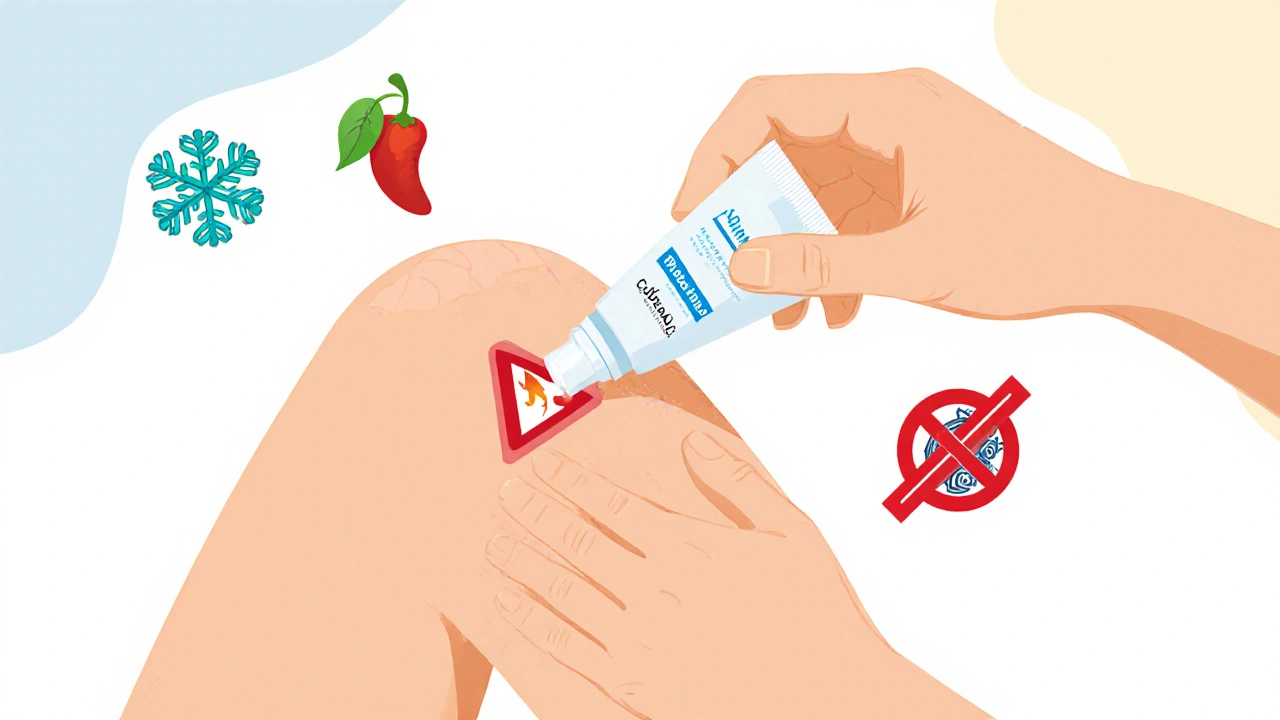
OTC Topical Pain Relievers: Creams, Gels, and Patches Safety Guide
Learn the real risks and safe usage tips for OTC topical pain relievers like creams, gels, and patches. Avoid burns, lidocaine overdose, and hidden dangers with expert-backed advice.