Capsaicin Patch Safety: What You Need to Know About Use, Risks, and Alternatives
When you're dealing with chronic nerve pain—like from shingles or diabetic neuropathy—a capsaicin patch, a high-concentration topical treatment that depletes pain signals in nerves. Also known as Qutenza, it's not your average cream. It’s a prescription-strength option that works by burning out the pain fibers in your skin, and it’s used when oral meds like gabapentin or opioids don’t cut it or come with too many side effects. But safety isn’t just about whether it works—it’s about how you use it, who applies it, and what happens if things go wrong.
Unlike over-the-counter capsaicin creams, the medical patch contains 8% capsaicin—way stronger than anything you can buy at the drugstore. That’s why it’s only applied by a healthcare provider in a clinical setting. You can’t just slap it on yourself. The procedure takes about an hour, and your skin gets numbed first. Still, even with numbing, most people feel a burning sensation during application. That’s normal—but if it turns into severe pain, blistering, or redness that lasts days, you need to call your doctor. Some people develop skin irritation, and rare cases show allergic reactions or nerve damage if used incorrectly. It’s also not for open wounds, broken skin, or if you’re allergic to chili peppers. And if you’ve been using fentanyl patches, a strong opioid pain reliever applied to the skin for chronic pain, you need to be extra careful. Mixing capsaicin with opioids isn’t dangerous in a direct chemical way, but both can cause skin sensitivity, and using them together without supervision increases your risk of unnoticed injury or delayed healing.
What about other options? If capsaicin patches feel too intense or risky, there are alternatives like lidocaine patches, which numb the area without burning, or topical NSAIDs for joint pain. Some people find relief with transdermal patches, medication-delivery systems that release drugs through the skin for nerve pain, but each has different rules, side effects, and costs. The key is matching the treatment to your pain type, skin condition, and medical history—not just going with what’s new or advertised.
You’ll find posts here that dig into how pain patches really work, what side effects get overlooked, and how to spot when something’s wrong. From understanding black box warnings on opioid patches to knowing how to separate meds from supplements that interfere with absorption, this collection gives you the real talk—not marketing. If you’re using or considering a capsaicin patch, you need to know the risks, the signs of trouble, and what to ask your doctor before the patch goes on. This isn’t just about pain relief. It’s about staying safe while you get it.
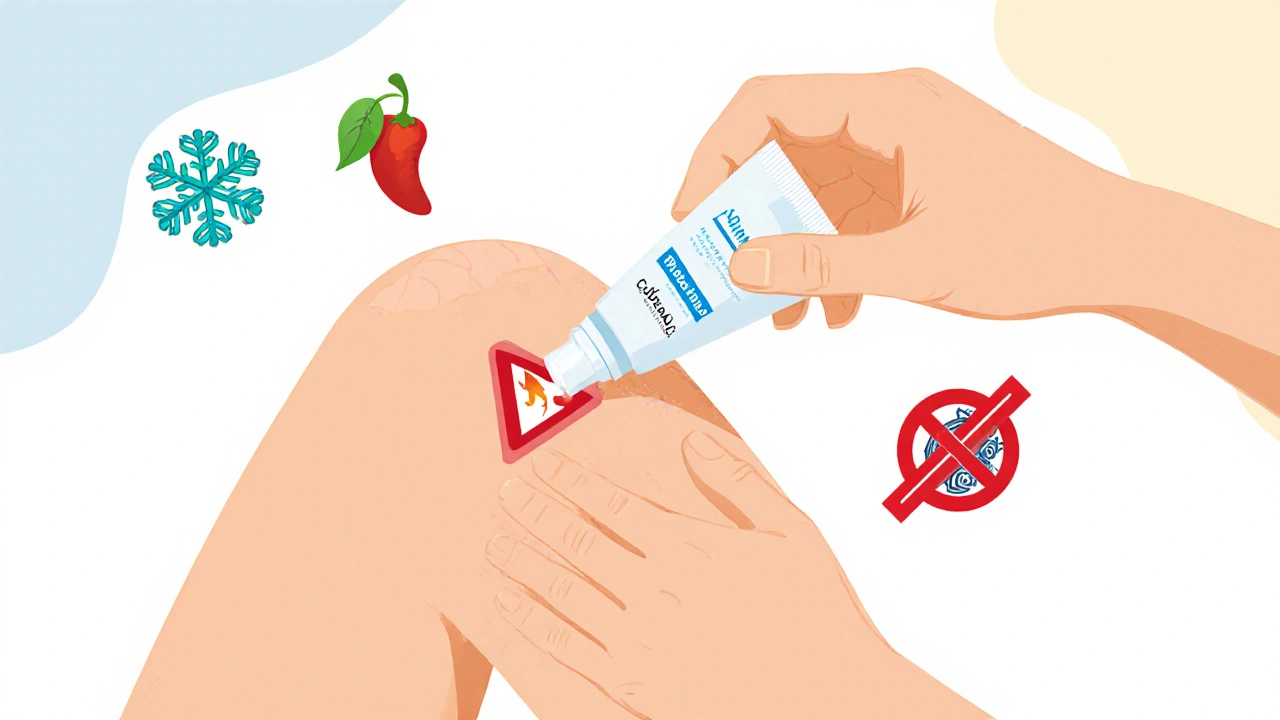
OTC Topical Pain Relievers: Creams, Gels, and Patches Safety Guide
Learn the real risks and safe usage tips for OTC topical pain relievers like creams, gels, and patches. Avoid burns, lidocaine overdose, and hidden dangers with expert-backed advice.