Depression in Teenagers: Signs, Causes, and What Really Helps
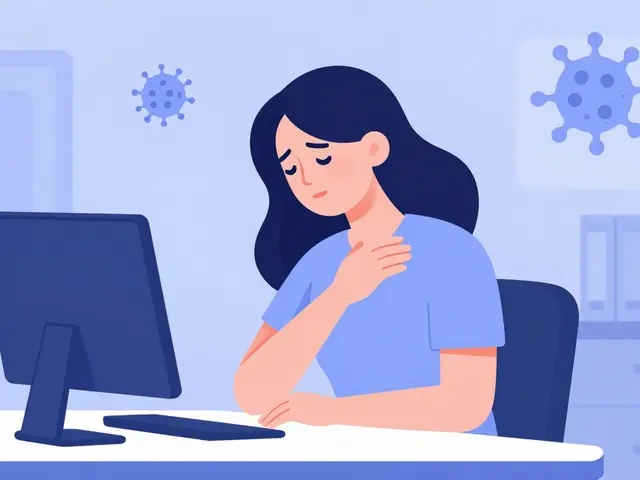
When we talk about depression in teenagers, a persistent low mood that interferes with daily life, not just temporary sadness. It’s not the same as being moody or having a bad day—it’s a medical condition that changes how the brain processes emotions, sleep, and stress. About 1 in 5 teens will experience a major depressive episode before age 18, and many go undiagnosed because their symptoms look like typical adolescent behavior—irritability, skipping school, pulling away from friends.
teen mental health, the overall emotional and psychological well-being of adolescents is deeply tied to biology, environment, and social pressures. Hormonal shifts during puberty can trigger chemical imbalances in the brain, especially in areas that control mood and impulse control. But it’s not just biology. Bullying, academic pressure, social media comparison, family conflict, and trauma all pile on. And here’s the thing: teen suicide risk, the likelihood of a teenager attempting or completing suicide due to untreated depression has been rising for over a decade. The CDC says suicide is now the second leading cause of death for teens aged 15–19. That’s not a statistic—it’s a warning.
Many parents assume their teen is just going through a phase. But depression doesn’t fade with time if left alone. It often gets worse. Signs aren’t always obvious: a once-athletic teen stops playing sports, a top student’s grades drop suddenly, or a child who used to text constantly now ignores messages. Sleep changes—sleeping too much or too little—are a red flag. So is talking about hopelessness, worthlessness, or death. And yes, antidepressants for teens, medications like SSRIs prescribed under careful supervision to help regulate brain chemicals can be part of the solution, but only when paired with therapy and support. They’re not magic pills, and they’re not for everyone. But for many, they’re the bridge back to life.
What you’ll find in the articles below isn’t generic advice. It’s real, practical information from posts that cover how depression shows up differently in teens than adults, how certain medications interact with other drugs teens might be taking, why some treatments fail, and how to spot when a situation is turning dangerous. You’ll see how therapy, lifestyle changes, and medication work together—or fall apart. And you’ll learn what to do if you’re worried about someone who won’t talk about it. This isn’t about fixing everything overnight. It’s about knowing what to look for, when to act, and where to turn next.
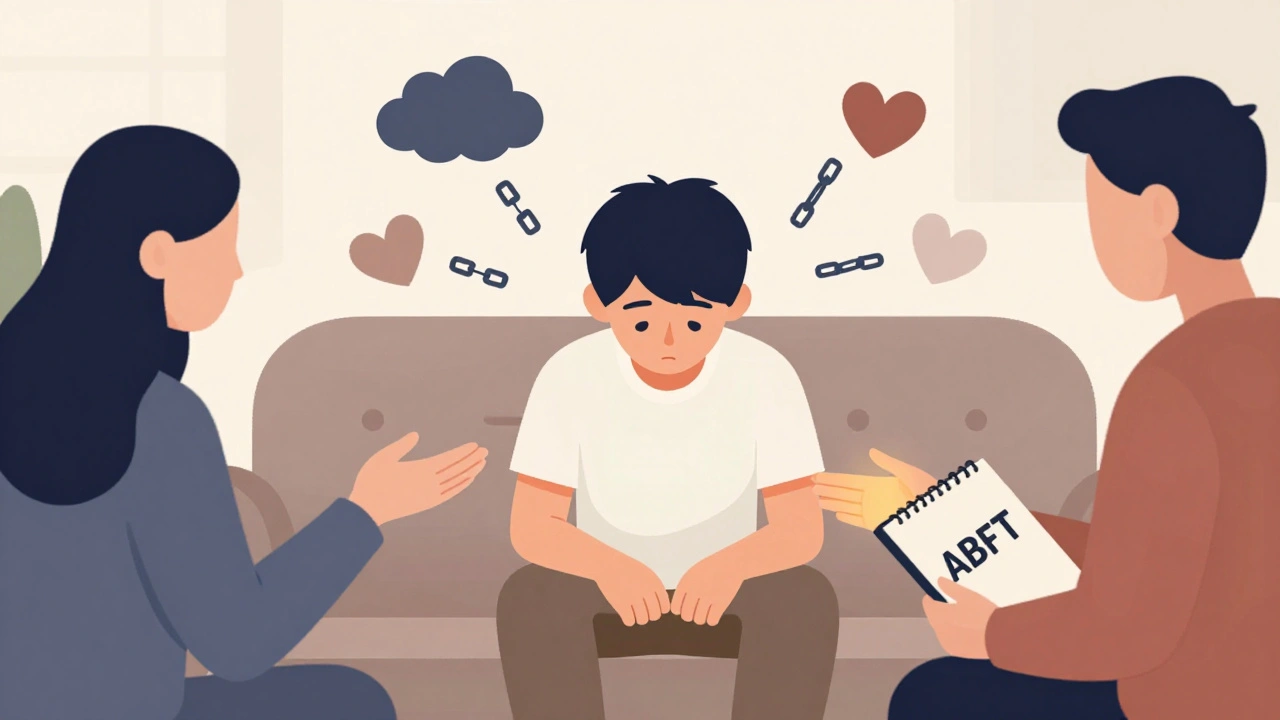
Child and Adolescent Depression: How Family Therapy and Medications Work Together
Family therapy and FDA-approved medications like fluoxetine and escitalopram are the most effective treatments for teen depression. Together, they address both emotional roots and brain chemistry, offering real hope for recovery.