Diarrhea Treatment: What Works, What Doesn’t, and When to Act
When you’re dealing with diarrhea treatment, the process of managing frequent loose stools to prevent complications like dehydration and electrolyte imbalance. Also known as acute gastroenteritis management, it’s not just about stopping the runny stool—it’s about protecting your body while it heals. Most cases clear up on their own in a day or two, but skipping the basics can turn a mild case into something serious, especially for kids, older adults, or anyone with a weak immune system.
Effective oral rehydration, a simple, low-cost method to replace fluids and salts lost during diarrhea is the #1 thing you should do. It’s not just water—you need the right mix of sodium, potassium, and glucose. Store-bought packets like Pedialyte or WHO-formula rehydration salts work best. Drinking plain water alone won’t cut it; your body can’t absorb it properly without those electrolytes. And yes, even if you’re not thirsty, you still need to sip slowly every 15 to 20 minutes. This isn’t a suggestion—it’s a medical standard backed by decades of global health data.
Then there’s loperamide, an over-the-counter medication that slows gut movement to reduce stool frequency. It’s fine for short-term use if you’re stuck at work or traveling, but never use it if you have a fever, bloody stool, or suspect food poisoning. It traps the bad stuff inside, which can make infections worse. Same goes for antibiotics—they’re rarely needed and often do more harm than good. Most diarrhea is viral, and antibiotics don’t touch viruses. Only take them if a doctor confirms a bacterial cause.
Don’t overlook probiotics, live microorganisms that help restore healthy gut bacteria after diarrhea. Strains like Lactobacillus rhamnosus GG and Saccharomyces boulardii have been shown in studies to shorten diarrhea by about a day. You’ll find them in capsules or yogurt labeled "active cultures." They’re not magic, but they’re one of the few supplements with solid evidence behind them. Skip the fancy, expensive brands—stick to ones with proven strains and enough live organisms per dose.
What you eat matters too. The old BRAT diet (bananas, rice, applesauce, toast) isn’t wrong, but it’s too limited. You need calories and protein to recover. Plain chicken, boiled potatoes, and plain crackers are better choices. Avoid dairy, fatty foods, and sugary drinks—they feed bad bacteria and make things worse. Caffeine and alcohol? Absolutely not. They dehydrate you further.
And here’s the hard truth: if diarrhea lasts more than two days, you’re losing fluids faster than you can replace them, or you feel dizzy, weak, or have no urine for 8 hours—you need to see someone. Kids under 3 with diarrhea for over 24 hours? Same rule. Dehydration doesn’t always look like dry mouth. Sometimes it’s just irritability, sunken eyes, or cold hands. Don’t wait until you’re collapsing.
What you’ll find below are real, practical guides from trusted sources—how to use rehydration safely, when loperamide helps or hurts, which probiotics actually work, and how to spot the red flags that mean it’s time for a doctor. No guesswork. No marketing fluff. Just what you need to get through this without making it worse.
Diarrhea: Understanding Acute vs. Chronic and When Antimotility Drugs Help
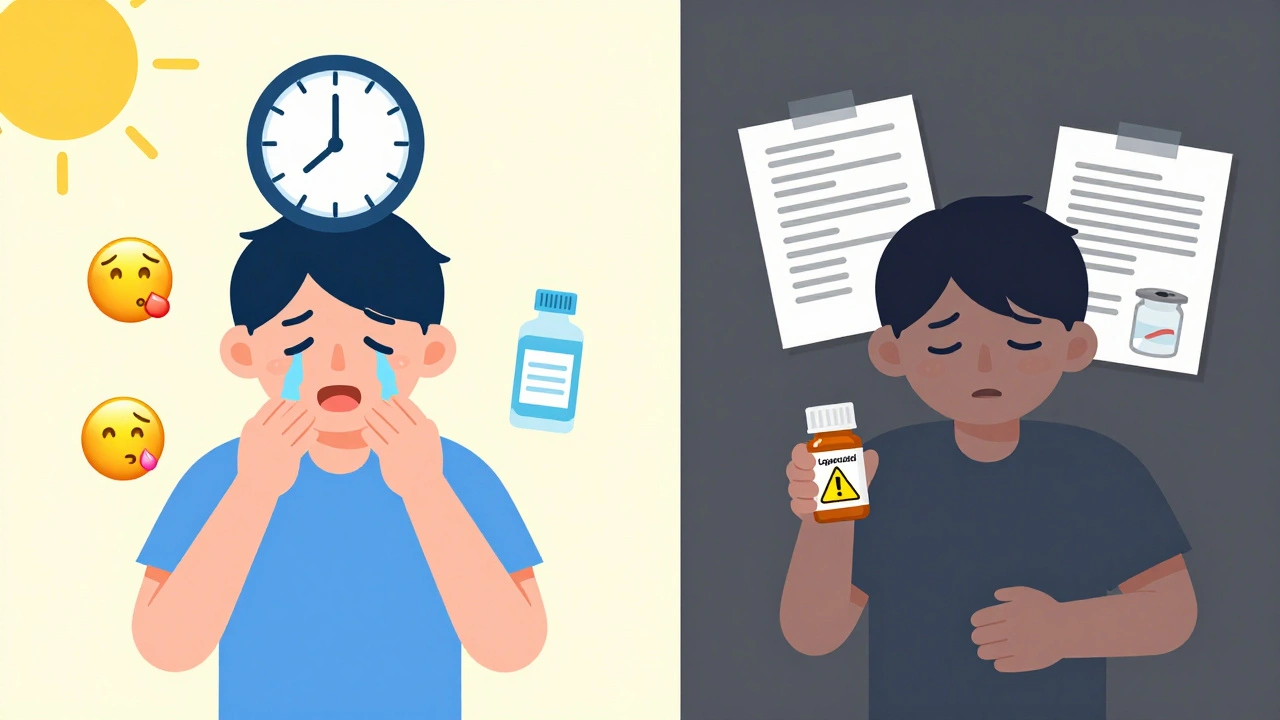
Understand the difference between acute and chronic diarrhea, when to use antimotility drugs like loperamide, and what to do when diarrhea lasts more than two weeks. Get the facts on causes, risks, and real treatment options.