Drug Safety: What You Need to Know About Risks, Warnings, and Safe Use
When you take a pill, you trust it won’t hurt you—but drug safety, the practice of using medications in a way that minimizes harm while maximizing benefit. Also known as medication safety, it’s not just about following directions. It’s about understanding what your body might not tell you until it’s too late. Every year, hundreds of thousands of people end up in the ER because of avoidable drug reactions. Many of these aren’t random accidents—they’re missed warning signs, misunderstood labels, or combinations that should never have been mixed.
Black box warnings, the FDA’s strongest alert for life-threatening risks appear on some of the most commonly prescribed drugs. These aren’t scare tactics—they’re red flags based on real deaths. If your medicine has one, you need to know what symptoms to watch for: unusual bruising, sudden shortness of breath, yellowing skin, or confusion. FDA drug interactions, how two or more drugs affect each other in your body are another silent danger. A common cold medicine can spike your blood pressure if you’re on hypertension pills. A fiber supplement can stop your thyroid med from working. These aren’t rare cases—they happen daily because people don’t know how to read the fine print.
And then there are the drug interaction tables, detailed charts inside FDA prescribing guides that list which drugs clash and how. Most patients never see them. Pharmacists use them. Doctors reference them. But you don’t need to be a clinician to use them—you just need to know where to look. Section 7 of the label, the "Drug Interactions" part, isn’t filler. It’s your early warning system. If you’re on more than three meds, you’re already in risk territory.
Drug safety isn’t about fear. It’s about awareness. It’s knowing that a simple change—like switching from one painkiller to another, or adding a new supplement—can turn a safe routine into a crisis. It’s realizing that side effects like constipation or drowsiness aren’t just "annoyances"—they’re signals. And it’s understanding that generic drugs aren’t cheaper because they’re weaker—they’re cheaper because they’re tested just as hard, and the same safety rules apply.
Below, you’ll find real, practical guides on exactly what to watch for, how to decode official labels, which combinations to avoid, and what to do if something feels off. No fluff. No jargon. Just what you need to stay safe.
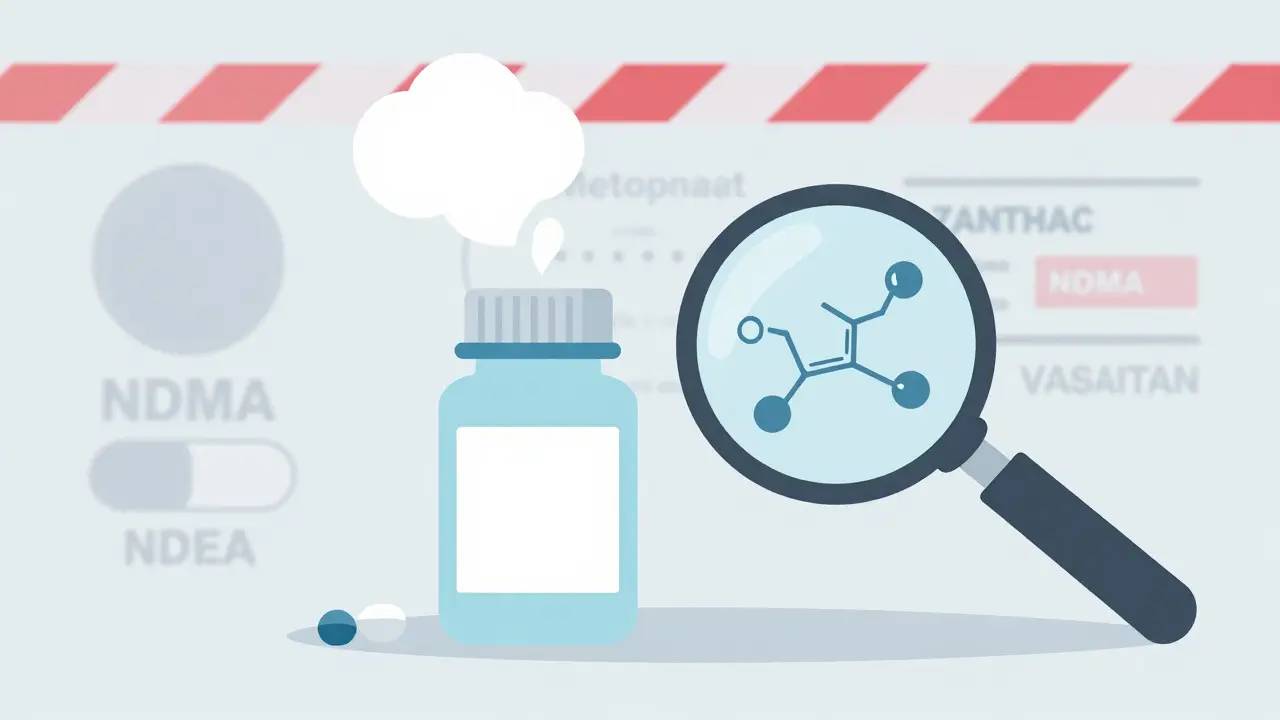
Nitrosamine Contamination in Generic Drugs: Recent Recalls and Regulatory Shifts
Nitrosamine contamination in generic drugs has led to over 500 FDA recalls since 2018. Learn which medications were affected, how regulators responded, and what this means for patient safety.
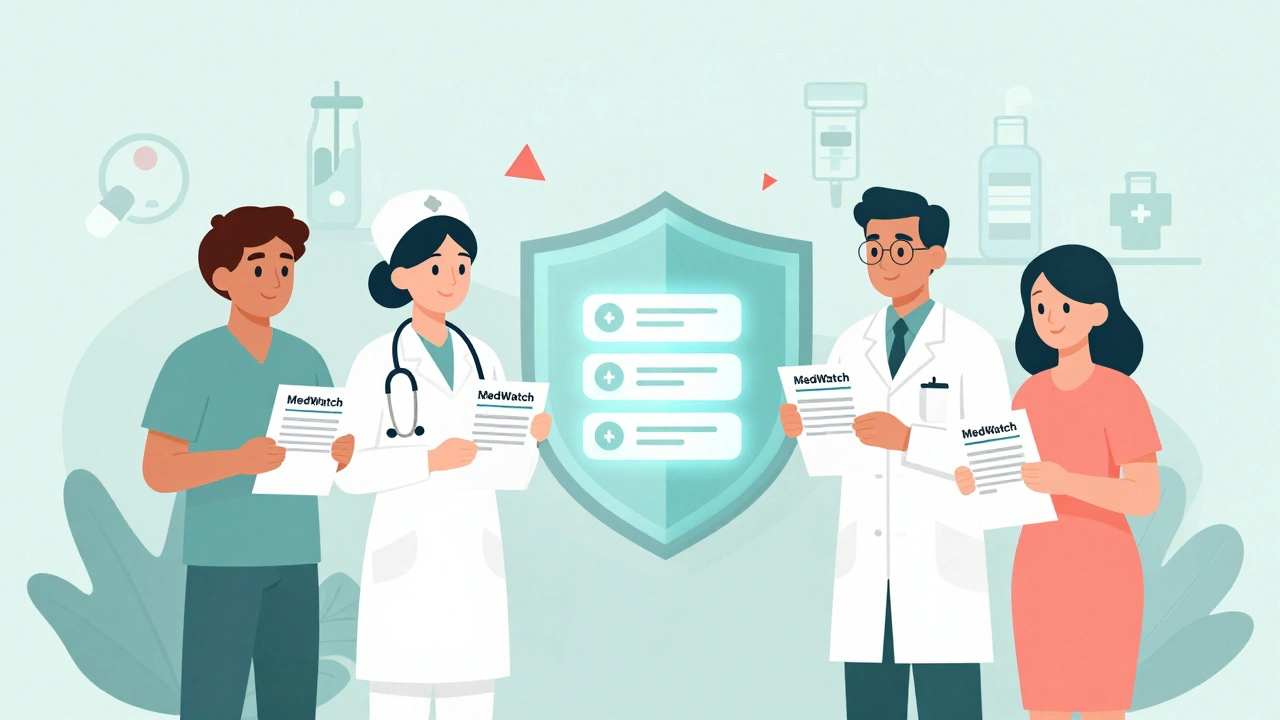
MedWatch System Explained: How FDA Tracks Drug and Device Safety
MedWatch is the FDA's system for collecting safety reports on drugs, devices, and other medical products. Learn how it works, who reports, and why your report matters for public health.
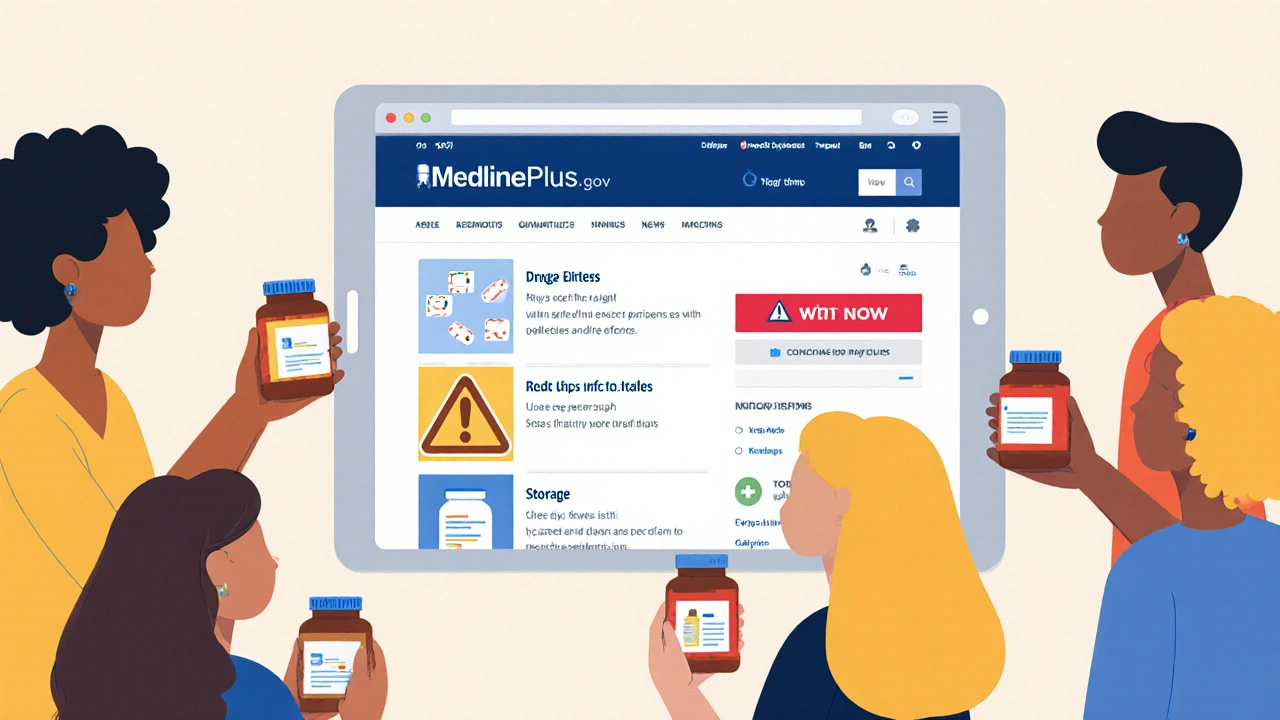
MedlinePlus Drug Information: Consumer-Friendly Safety Summaries
MedlinePlus Drug Information offers free, trustworthy, plain-language safety summaries for prescription drugs, OTC meds, and supplements. Created by the U.S. National Library of Medicine, it’s a no-ad, no-cost resource trusted by patients and professionals alike.