Earwax Removal: Safe Methods, Risks, and When to See a Pro
When it comes to earwax removal, the natural process of cleaning the ear canal using jaw movement and skin shedding. Also known as cerumen removal, it’s something most people don’t need to do themselves—because your ears are designed to clean themselves. But when wax builds up and blocks your hearing, or causes pain, dizziness, or ringing, that’s when you need to act—safely.
Most people think they need to dig out earwax with cotton swabs, but that’s like trying to sweep dirt deeper into a vacuum hose. Pushing a swab in just packs the wax tighter, creating cerumen impaction, a blockage caused by earwax being forced deeper into the ear canal. This isn’t just annoying—it can lead to temporary hearing loss, infections, or even eardrum damage. The real solution isn’t more digging. It’s understanding when and how to soften, flush, or let a professional handle it.
For mild buildup, over-the-counter drops with saline, hydrogen peroxide, or mineral oil can help break down wax so it naturally drains. Warm water irrigation using a bulb syringe works too—if you don’t have a history of ear infections, perforated eardrums, or tubes. But if you’re dizzy, in pain, or your hearing doesn’t improve after a few days, skip the DIY and see a provider. Doctors use microsuction or curettes under magnification—no guesswork, no risk. This isn’t a luxury; it’s a standard care step for people with narrow ear canals, hearing aids, or those who produce extra wax.
Some people think ear candling works. It doesn’t. It’s dangerous, messy, and has zero scientific backing. The FDA has warned against it for years. Don’t waste money or risk burns. And if you’re using hearing aids, earplugs, or headphones daily, you’re more likely to get buildup—so regular check-ups matter more than you think.
What you’ll find below are real, practical guides from people who’ve been there: how to clean ears safely at home, when to stop and call a doctor, what medications can help, and why some folks need professional cleanings every few months. No myths. No fluff. Just what works—and what doesn’t—based on actual patient experiences and medical guidelines.
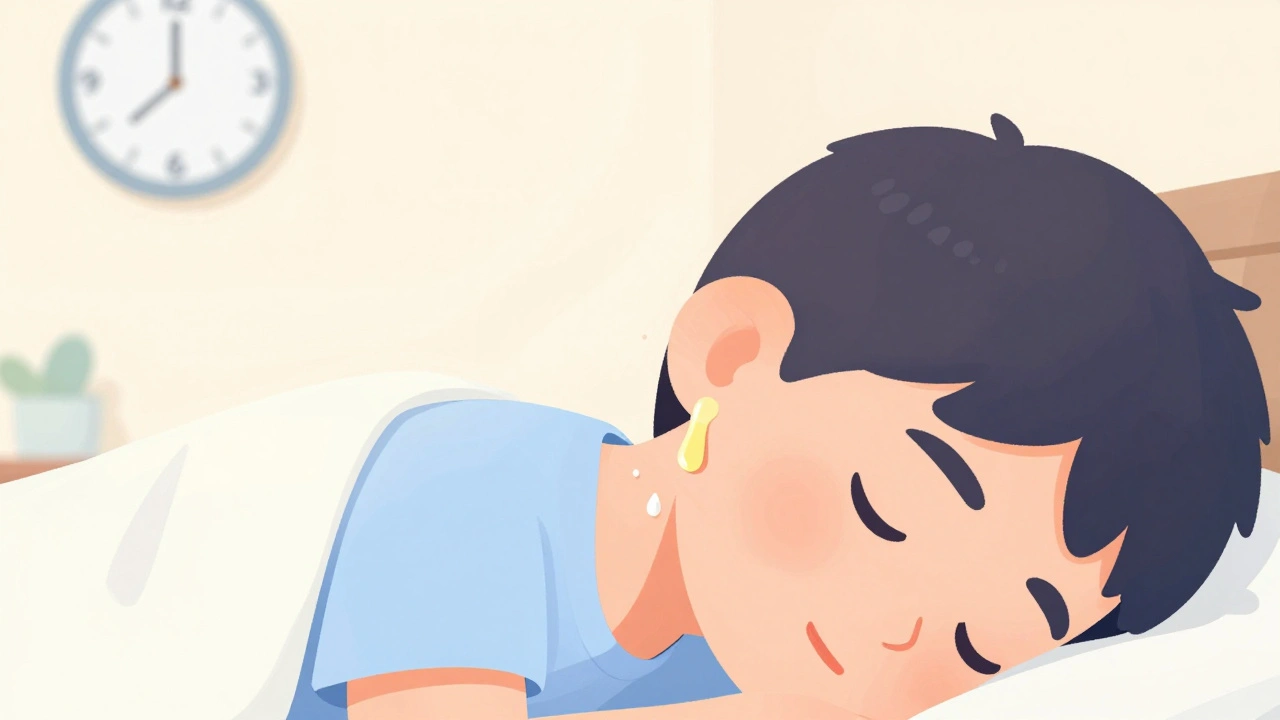
Cerumenolytics: How to Soften Earwax at Home Safely and Effectively
Learn how to safely soften earwax at home using over-the-counter cerumenolytics like carbamide peroxide, mineral oil, and baking soda solutions. Discover what works, what doesn’t, and when to see a doctor.