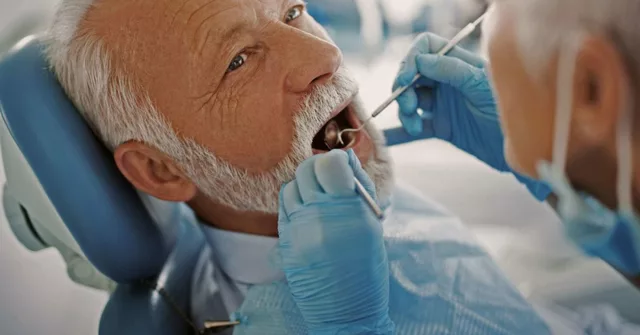
Heart Disease Prevention: Easy Actions That Really Work
Heart disease kills more people than any other condition, but the good news is that most cases are preventable. You don’t need a medical degree to start protecting your heart – just a few everyday habits and a bit of awareness. Below are the most effective steps you can take right now.
Move More, Sit Less
Physical activity is the single biggest factor in heart health. Aim for at least 150 minutes of moderate‑intensity exercise per week – that’s a 30‑minute walk, five days a week. If you prefer something faster, 75 minutes of vigorous activity like jogging or cycling works too. Even short bursts, such as climbing stairs or doing a quick home workout, add up. The key is consistency; your heart beats stronger and blood vessels stay flexible when you keep moving.
Don’t forget to slip in strength training twice a week. Lifting light weights or using body‑weight moves (push‑ups, squats) helps maintain muscle mass, improves insulin sensitivity, and reduces blood pressure.
Eat for a Strong Heart
What you put on your plate directly impacts plaque buildup in arteries. Focus on foods that are low in saturated fat, sodium, and added sugars. Fill half your plate with colorful vegetables, a quarter with lean protein (fish, chicken, beans), and the remaining quarter with whole grains like brown rice or oats.
Omega‑3 fatty acids found in salmon, walnuts, and flaxseed are heart‑friendly – they lower triglycerides and calm inflammation. Swap butter for olive oil, and choose fresh fruit over sugary desserts. If you love salty snacks, reach for unsalted nuts or roasted chickpeas instead of chips.
Watching portion sizes also matters. Overeating, even healthy foods, can lead to weight gain, higher blood pressure, and higher cholesterol – all big risk factors.
In addition to diet and exercise, a few other habits round out a solid prevention plan.
- Quit smoking – every cigarette adds to artery damage. Even cutting back dramatically lowers risk within weeks.
- Limit alcohol – no more than one drink a day for women and two for men keeps blood pressure steady.
- Manage stress – chronic stress spikes heart rate and blood pressure. Simple breathing exercises, meditation, or a hobby can make a big difference.
- Get regular check‑ups – blood pressure, cholesterol, and blood sugar tests catch problems early. Talk to your doctor about medications like statins or blood‑pressure pills if lifestyle changes aren’t enough.
Some people wonder whether supplements can replace a healthy diet. The short answer: they can help, but they’re not a magic bullet. Fish oil capsules may add extra omega‑3s, and a daily vitamin D dose supports overall health, but the foundation should still be whole foods and activity.
For those with existing heart conditions, medications such as amiodarone after a heart attack or trimetazidine for angina can be part of a broader prevention strategy. Always follow your doctor’s guidance and never stop a prescribed drug without professional advice.Bottom line: protecting your heart is a marathon, not a sprint. Start with one change – a daily walk, swapping soda for water, or adding a veggie side to dinner – and build from there. Small, consistent steps add up to a healthier heart and a longer, happier life.
Ramipril and Heart Disease Prevention: Mechanism, Evidence, and Who Should Use It
Explore how Ramipril works to prevent heart disease, review the pivotal trials that prove its benefit, and get practical safety and dosing tips for patients.