Menthol Burn Risk: What You Need to Know About Skin Irritation and Medication Safety
When you apply a cream or patch with menthol, a cooling compound found in topical pain relievers, cough drops, and nasal sprays. Also known as L-menthol, it's used to create a soothing sensation—but for many, that coolness turns into a burning or stinging feeling instead. This isn’t just discomfort. A menthol burn risk is real, especially if you have sensitive skin, open wounds, or are using it with other medications that affect skin sensitivity.
Menthol works by activating cold receptors in your skin, tricking your nerves into feeling cool. But when the concentration is too high—or when it’s applied to broken skin, children, or elderly individuals with thinner skin—it can trigger actual irritation or chemical burns. People using menthol alongside topical NSAIDs, like diclofenac gel or ibuprofen cream are at higher risk because both can disrupt the skin barrier. Even transdermal patches, such as those for pain or nicotine, can become more irritating when combined with menthol-based products. The FDA has received reports of second-degree burns from overuse of menthol-containing rubs, especially in older adults who may not realize how sensitive their skin has become.
It’s not just about how much you use—it’s about where and how often. Applying menthol to the face, near the eyes, or on sunburned skin increases burn risk dramatically. Kids under 2 should never use menthol products without a doctor’s advice. Even healthy adults can develop redness, blistering, or peeling after repeated use. If you’ve ever felt that sharp sting after rubbing on a muscle cream, that’s your skin telling you it’s had enough. Stop using it. Wash the area with cool water. Don’t scratch. If the burn doesn’t fade in a day or two, or if it spreads, see a healthcare provider.
The posts below cover real cases where menthol-related skin reactions were mistaken for allergic responses, or overlooked entirely because people assumed "cooling" meant "safe." You’ll find guides on reading ingredient labels, spotting hidden menthol in OTC products, and what to do if you’re using menthol with other medications like blood thinners or nerve pain drugs. Some posts even explain why certain brands cause burns while others don’t—despite having the same label claims. This isn’t about avoiding menthol altogether. It’s about using it wisely, knowing your limits, and recognizing when your skin is sending an emergency signal.
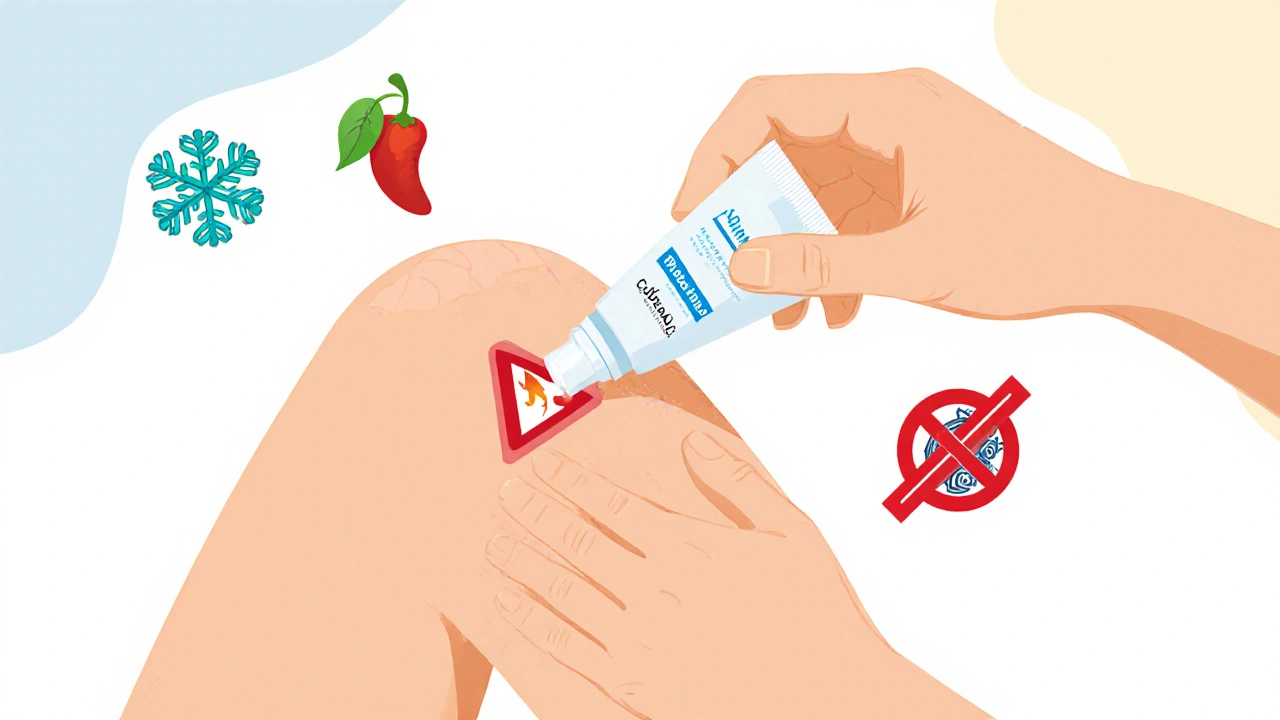
OTC Topical Pain Relievers: Creams, Gels, and Patches Safety Guide
Learn the real risks and safe usage tips for OTC topical pain relievers like creams, gels, and patches. Avoid burns, lidocaine overdose, and hidden dangers with expert-backed advice.