OCD Heritability: How Genetics Shapes Obsessive‑Compulsive Disorder
When you hear the term OCD heritability, the degree to which obsessive‑compulsive disorder runs in families due to genetic factors. Also known as obsessive‑compulsive disorder genetic predisposition, it tells us why some people develop OCD even without obvious triggers. OCD heritability isn’t a single gene story; it’s a blend of DNA variants, family patterns, and brain chemistry that together raise the odds of the condition. Understanding this blend helps clinicians choose the right meds—like the SSRIs such as Paroxetine that show variable response based on genetics—and guides researchers toward better prevention strategies.
Key genetic concepts that drive OCD risk
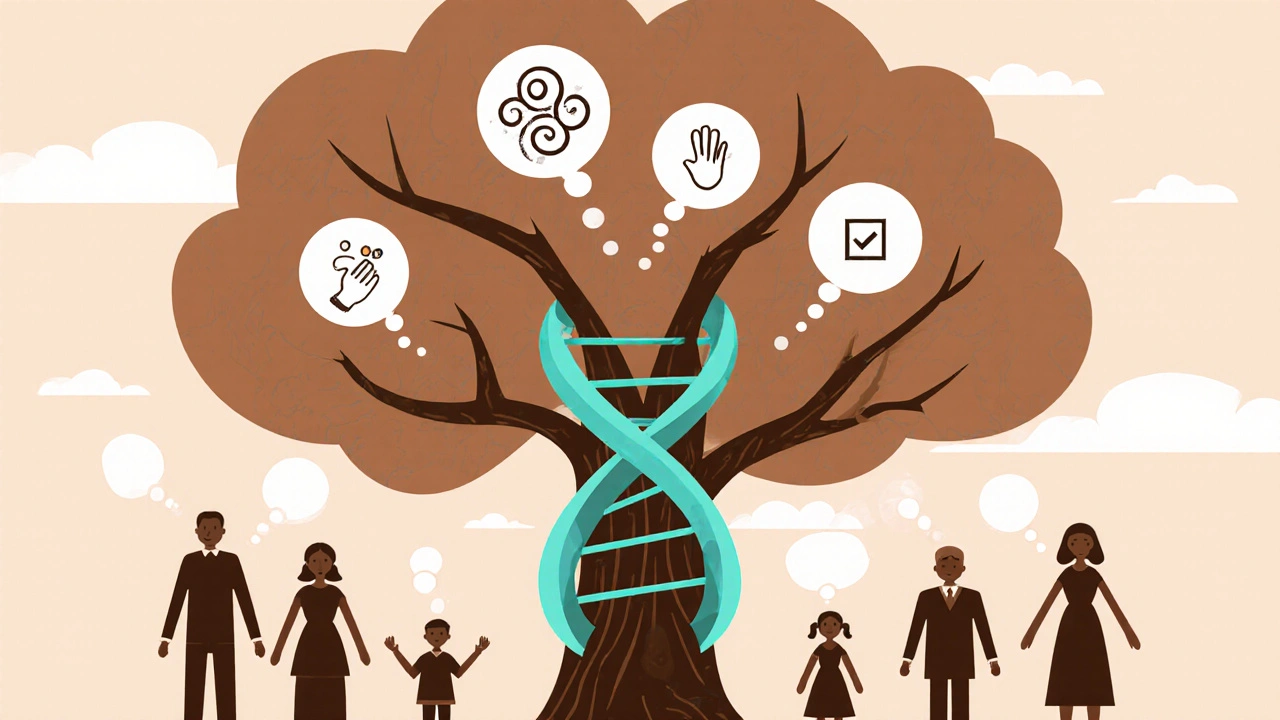
One of the biggest players is Genetics, the study of inherited DNA sequences that affect traits and disease. Genetics provides the raw material for heritability, and large‑scale genome‑wide association studies have identified dozens of risk loci linked to OCD. Another core piece is Family History, the documented presence of OCD in close relatives. If a parent or sibling has OCD, your personal risk can jump from about 1‑2% in the general population to roughly 10‑15%, a clear sign of shared genetic influence. Twin Studies, research comparing identical and fraternal twins to tease apart genetic and environmental effects add another layer: identical twins show concordance rates up to 50‑60%, while fraternal twins hover around 20‑30%, confirming a strong DNA component. These three entities connect in a simple chain: genetics creates risk alleles, family history reflects those alleles in real‑world lineages, and twin studies quantify how much of the disorder’s appearance comes from DNA versus environment. A fourth entity, the Serotonin System, the brain pathway that regulates mood, anxiety, and compulsive behavior, links genetics to treatment. Variants in serotonin transporter genes (SLC6A4) and receptor genes can both raise OCD susceptibility and predict how well a person responds to SSRIs like Paroxetine or Fluoxetine. This overlap explains why some patients see dramatic improvement while others need higher doses or alternative drugs such as antipsychotics. Epigenetics rounds out the picture: environmental factors—stress, infection, trauma—can switch genes on or off, modifying the inherited risk. For example, early‑life stress might add methyl groups to OCD‑related genes, dampening their expression and increasing symptom severity later on. So the heritability story isn’t static; it’s a dynamic interplay of DNA, family patterns, brain chemistry, and life events.
All these pieces—genetics, family history, twin studies, serotonin pathways, and epigenetic tweaks—shape the odds of developing OCD and influence how the condition is managed. In the list below you’ll find practical guides that touch on these themes: medication comparisons that note genetic response differences, lifestyle tips that may mitigate epigenetic risks, and deeper dives into the science behind family‑linked OCD. Whether you’re looking for treatment options, curious about your own risk, or simply want to understand why OCD runs in families, the articles ahead give you concrete, science‑backed information you can act on right now.
How Genetics Influence Obsessive‑Compulsive Disorder (OCD)
Explore how genetics shapes Obsessive‑Compulsive Disorder, from twin studies to risk genes and epigenetics, and learn what this means for diagnosis and treatment.