Opioid Side Effects: What You Need to Know About Risks and Management
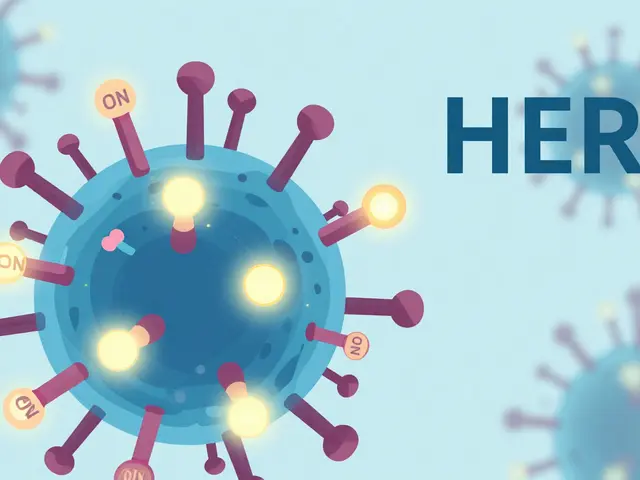
When you take opioids, a class of powerful pain-relieving drugs that include prescription painkillers and illegal substances like heroin. Also known as narcotics, they work by binding to receptors in your brain and spinal cord to reduce pain signals. But they don’t just block pain—they also trigger a cascade of side effects that can affect your digestion, breathing, mood, and even your long-term health. These side effects aren’t rare or theoretical. Millions of people using opioids for chronic pain, post-surgery recovery, or cancer treatment deal with them every day.
One of the most common and persistent problems is opioid constipation, a condition where opioids slow down the movement of food through your gut, leading to painful bloating, straining, and sometimes bowel obstruction. Unlike other side effects, this one doesn’t fade with tolerance—it sticks around as long as you’re on the drug. That’s why PAMORAs, peripherally acting mu antagonists like methylnaltrexone and naloxegol, were developed. These drugs block opioid effects in the gut without touching pain relief in the brain, giving you relief without losing control of your pain. Another serious concern is fentanyl patch side effects, which include drowsiness, respiratory depression, and the risk of accidental overdose if the patch is damaged or used incorrectly. Fentanyl is 50 to 100 times stronger than morphine, and even small mistakes can be fatal. And if you stop taking opioids suddenly, your body can go into opioid withdrawal, a painful process with symptoms like nausea, sweating, muscle aches, anxiety, and insomnia. This isn’t just discomfort—it’s a major barrier to quitting, even when someone knows they need to.
These aren’t isolated issues. They’re part of a bigger picture: opioids help, but they also harm. The side effects aren’t just side notes—they’re central to how safe and sustainable long-term opioid use really is. That’s why the posts below dive into real solutions: how to treat constipation without giving up pain control, what to watch for with patches, how withdrawal hits different people, and what alternatives exist when the risks outweigh the benefits. You won’t find fluff here—just clear, practical info from people who’ve seen these problems up close.
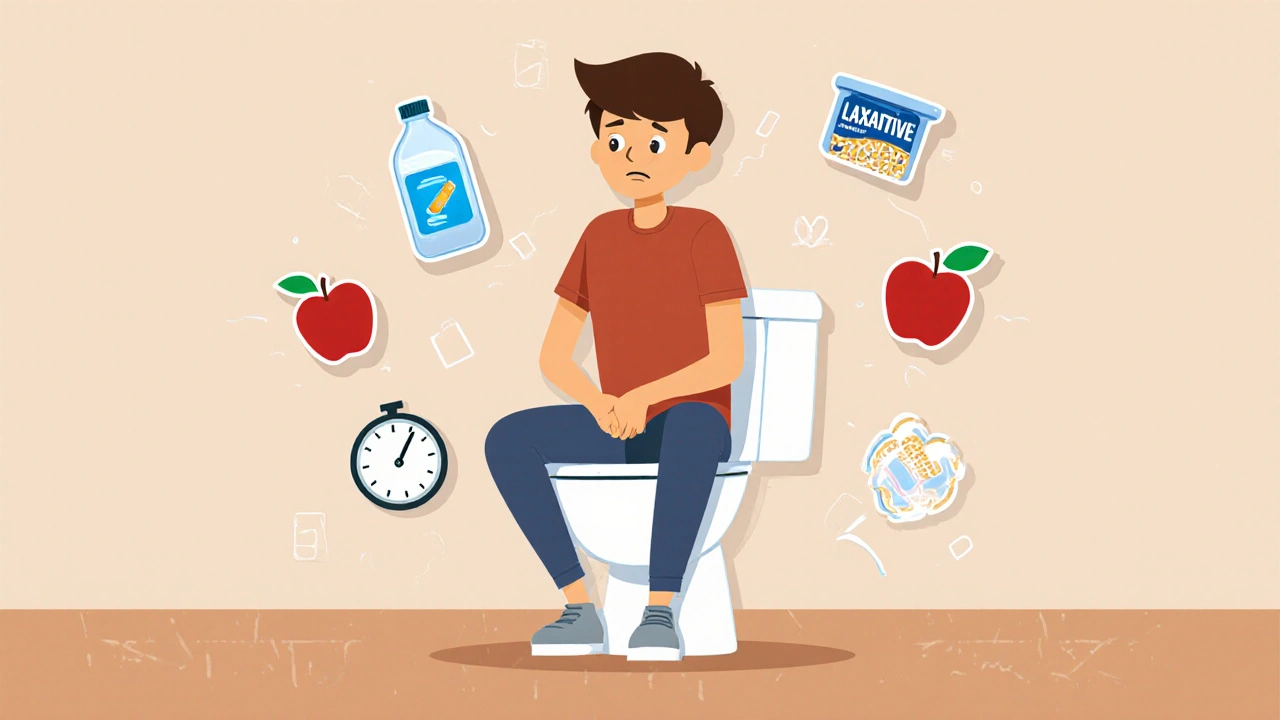
Common Opioid Side Effects: Constipation, Drowsiness, and Nausea Explained
Constipation, drowsiness, and nausea are the most common opioid side effects. Learn why they happen, how to manage them, and what to do if they don’t go away. Safe pain relief is possible with the right approach.