Uric Acid: What It Is, Why It Matters, and How It Affects Your Health
When your body breaks down purines—found in foods like red meat, seafood, and beer—it produces uric acid, a waste product that normally leaves the body through urine. Also known as serum urate, it’s harmless at normal levels, but too much can lead to painful joint inflammation or kidney problems. Most people don’t think about uric acid until they get gout or a kidney stone. But it’s a silent player in your overall health, especially if you have high blood pressure, diabetes, or kidney issues.
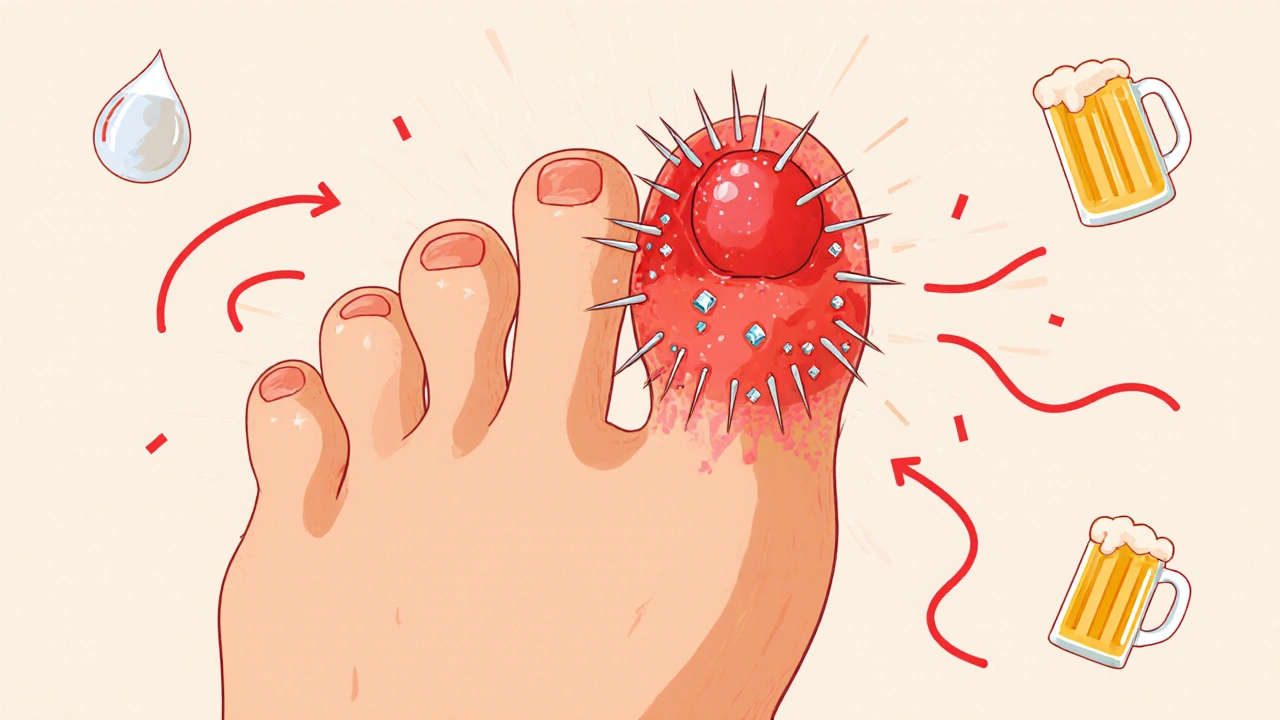
Gout, a form of inflammatory arthritis caused by uric acid crystals forming in joints is the most visible sign of high uric acid. It hits suddenly—often in the big toe—with swelling, redness, and pain so sharp it wakes you up at night. Kidney stones, hard deposits that form when uric acid crystallizes in the kidneys are another common result. These stones can cause back pain, nausea, and blood in urine. Both conditions are linked to how well your kidneys filter waste and how much purine you consume. Medications like allopurinol or febuxostat help lower uric acid, but diet and hydration matter just as much.
High uric acid doesn’t always cause symptoms, but it’s a red flag for other problems. Studies show people with consistently high levels are more likely to have kidney damage, including early signs of chronic kidney disease. That’s because uric acid crystals can clog tiny tubes in the kidneys over time. It also ties into metabolic syndrome—high blood pressure, belly fat, and insulin resistance. Even if you don’t have gout, checking your uric acid level might tell you something important about your long-term health.
You’ll find articles here that connect uric acid to real-world health choices: how pain relievers like acetaminophen affect your kidneys, how fiber supplements change how your body handles meds, and how weight loss can impact both gout and kidney function. Some posts dive into specific drugs used to manage high uric acid, while others explain why certain foods trigger flare-ups. Whether you’re dealing with gout, kidney stones, or just want to understand what your blood test means, this collection gives you clear, practical info—not guesswork.
Gout Attacks: Understanding Uric Acid, Triggers, and Effective Medication Strategies
Gout attacks are caused by uric acid crystals in joints, triggered by diet, dehydration, or medication changes. Learn how to manage flares and prevent them long-term with effective meds and lifestyle steps.