Yeast Infections: Causes, Treatments, and What Really Works
When you hear yeast infections, a type of fungal infection caused mostly by Candida albicans, commonly affecting moist areas of the body like the vagina, mouth, or skin folds. Also known as candidiasis, it’s not a sign of poor hygiene—it’s a normal imbalance in your body’s microbiome. About 75% of women will get at least one vaginal yeast infection in their lifetime, and men and kids can get them too—often in the mouth as oral thrush or on the skin in warm, damp areas.
Yeast infections aren’t contagious like the flu, but they can flare up when your body’s balance shifts. Antibiotics wipe out good bacteria that keep yeast in check. Birth control pills, pregnancy, diabetes, or even tight workout clothes can tip the scales. If you’ve had one before, you know the itch, the burning, the thick white discharge—it’s not fun, and it’s not something you should ignore. Left untreated, it can get worse, especially if you have a weakened immune system.
Most yeast infections respond well to over-the-counter antifungals like clotrimazole or miconazole, but not every itch is yeast. Bacterial vaginosis or STIs can mimic the same symptoms. That’s why self-diagnosing isn’t always safe. And while home remedies like yogurt or garlic get talked about, there’s little proof they work better than proven meds. What does work? Short-course antifungal creams, oral fluconazole, and avoiding triggers like sugary diets or synthetic underwear. For recurring cases, doctors may suggest longer treatment plans or testing for underlying issues like prediabetes.
Oral thrush—yeast in the mouth—is common in babies, older adults wearing dentures, or people using inhalers for asthma. It looks like white patches that don’t wipe off easily. It’s treatable, but if it keeps coming back, it might signal something deeper, like HIV or uncontrolled diabetes. Skin yeast infections show up as red, scaly rashes in armpits, under breasts, or between toes. They’re itchy and sometimes painful, and they thrive in heat and moisture.
What you’ll find below are real, practical guides from trusted sources. You’ll see how to tell if it’s yeast or something else, what OTC options actually deliver results, how to prevent repeat infections, and when to skip the drugstore and see a doctor. No fluff. No myths. Just what works—and what doesn’t—based on how these conditions really behave in everyday life.
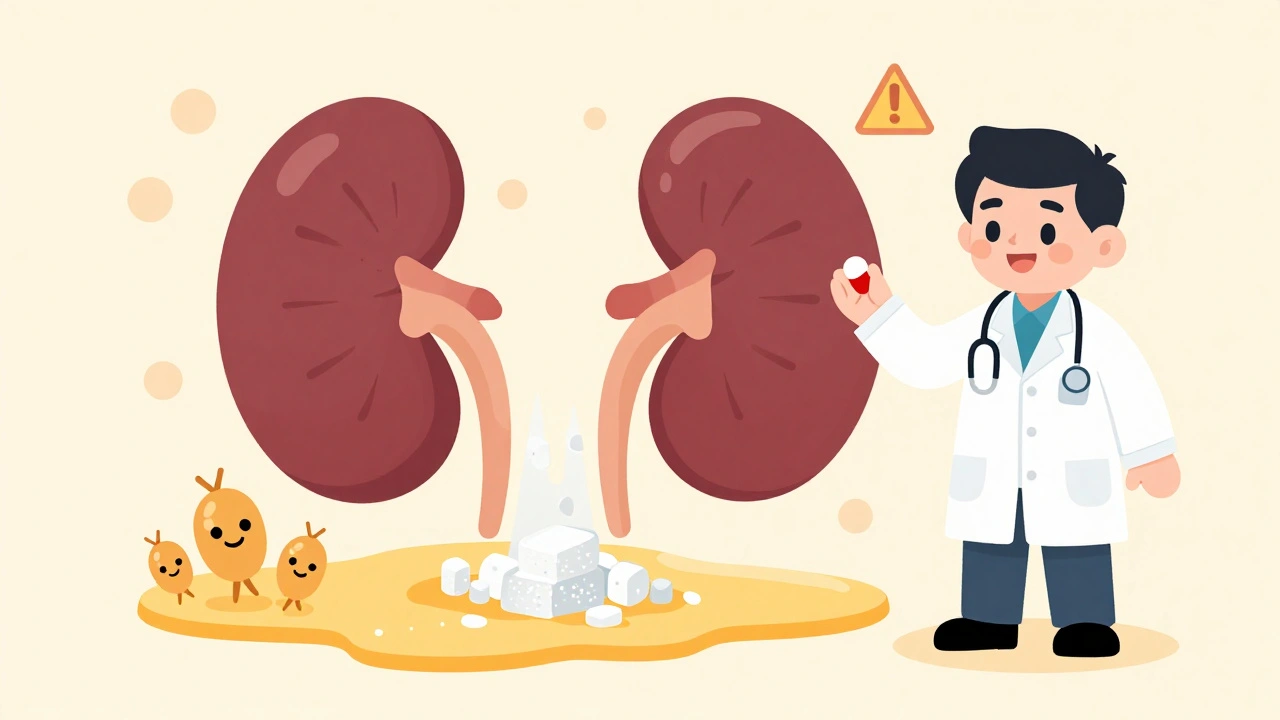
SGLT2 Inhibitors and Yeast Infections: What You Need to Know About Urinary Complications
SGLT2 inhibitors help lower blood sugar in type 2 diabetes but increase the risk of yeast and urinary tract infections. Learn how these drugs work, who’s most at risk, and what to do if you develop symptoms.