Category: Medications - Page 5
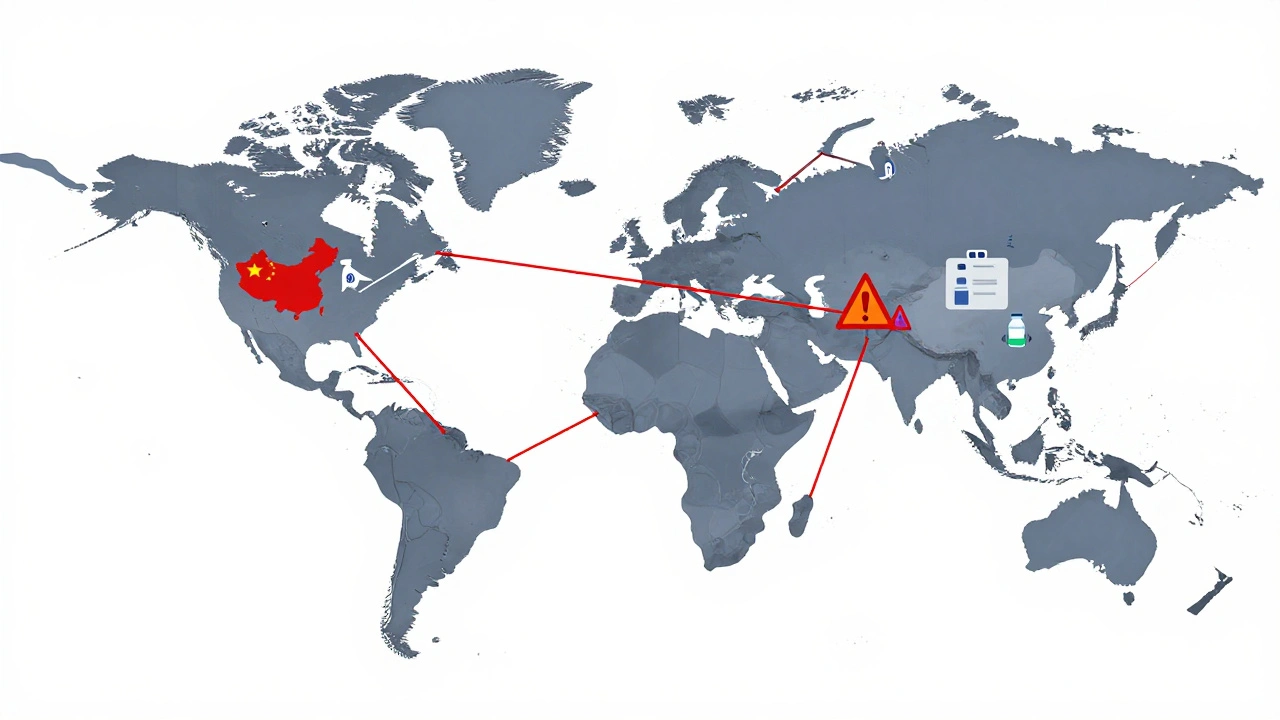
International Supply Chains: Why Foreign Manufacturing Is Causing Drug Shortages in 2025
International supply chains for pharmaceuticals are under strain, causing widespread drug shortages in 2025. Over 80% of active ingredients come from China and India, making the system vulnerable to disruptions. Here’s how it’s happening-and what’s being done to fix it.
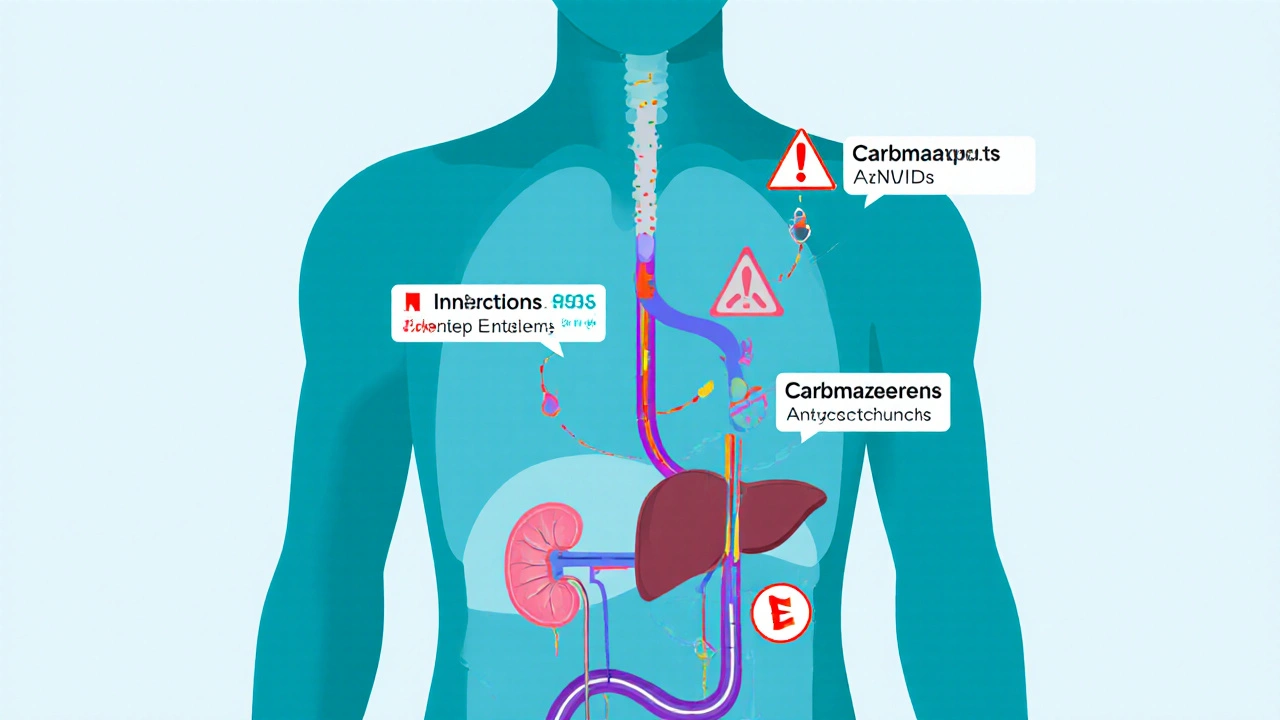
Mood Stabilizers: Lithium, Valproate, and Carbamazepine Interactions Explained
Lithium, valproate, and carbamazepine are powerful mood stabilizers with dangerous interactions. Learn how common drugs like ibuprofen or diuretics can trigger toxicity, why valproate boosts lamotrigine levels, and what to do if you're on one of these meds.
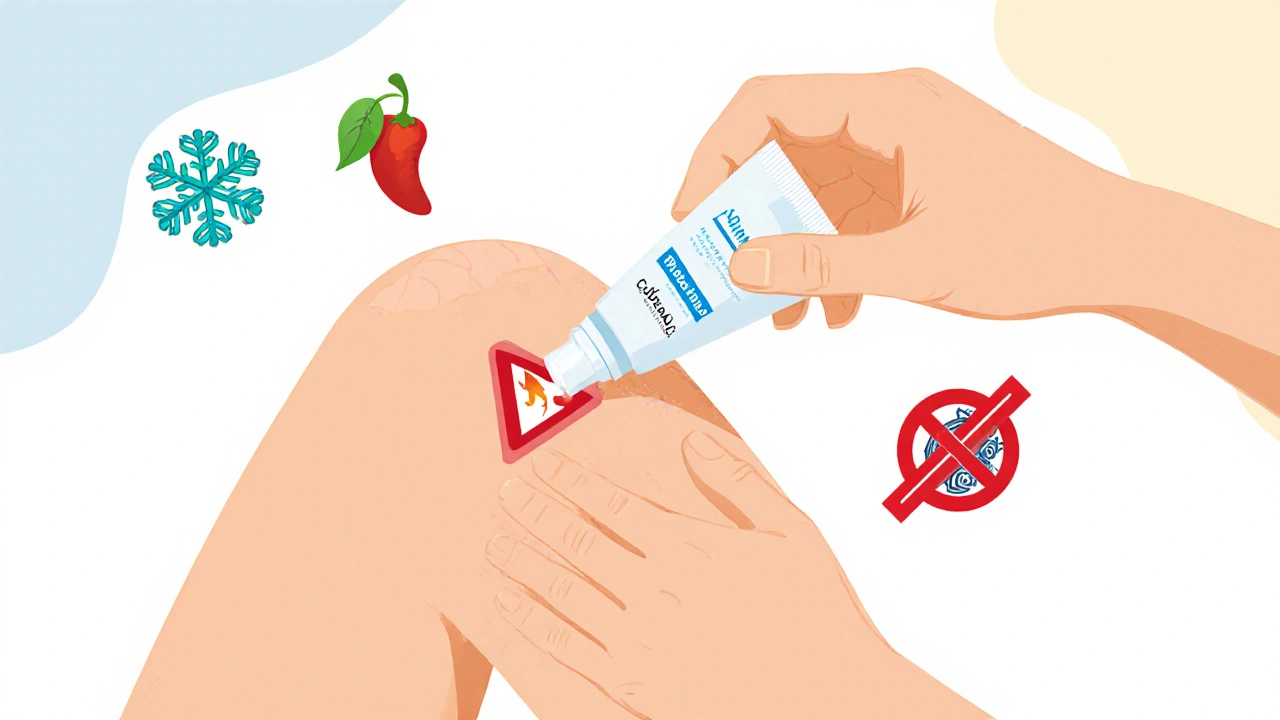
OTC Topical Pain Relievers: Creams, Gels, and Patches Safety Guide
Learn the real risks and safe usage tips for OTC topical pain relievers like creams, gels, and patches. Avoid burns, lidocaine overdose, and hidden dangers with expert-backed advice.
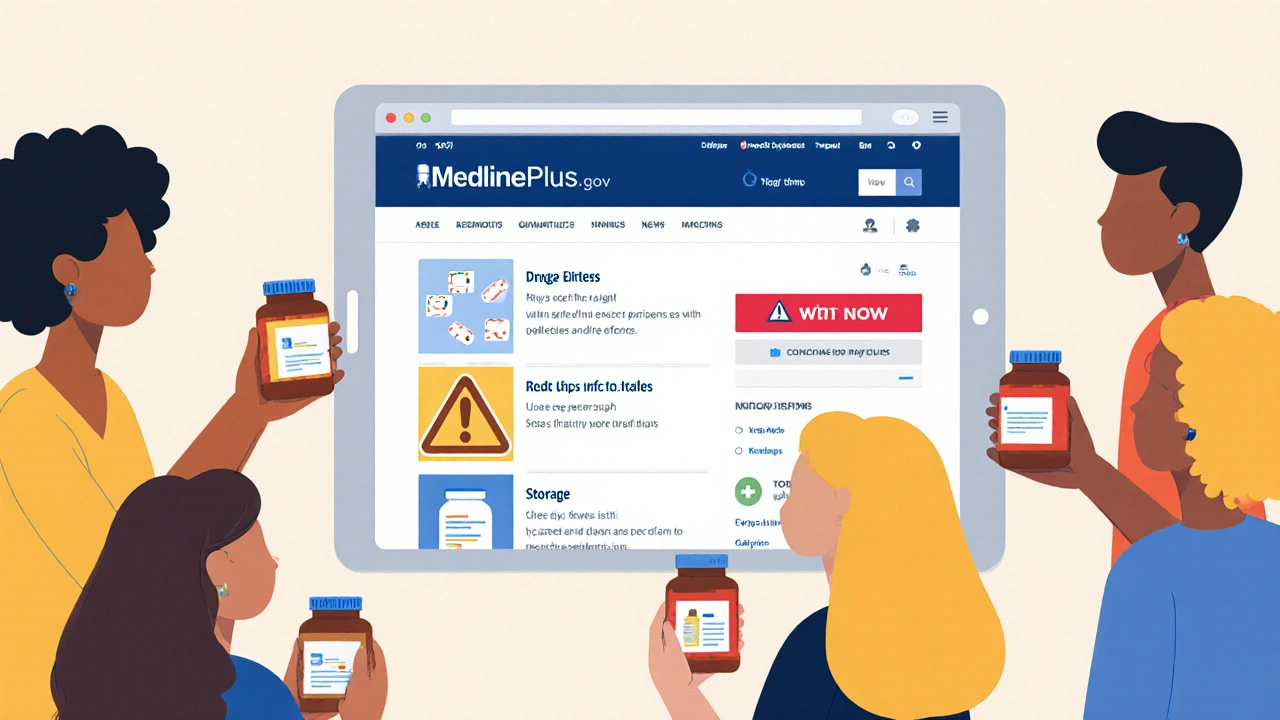
MedlinePlus Drug Information: Consumer-Friendly Safety Summaries
MedlinePlus Drug Information offers free, trustworthy, plain-language safety summaries for prescription drugs, OTC meds, and supplements. Created by the U.S. National Library of Medicine, it’s a no-ad, no-cost resource trusted by patients and professionals alike.
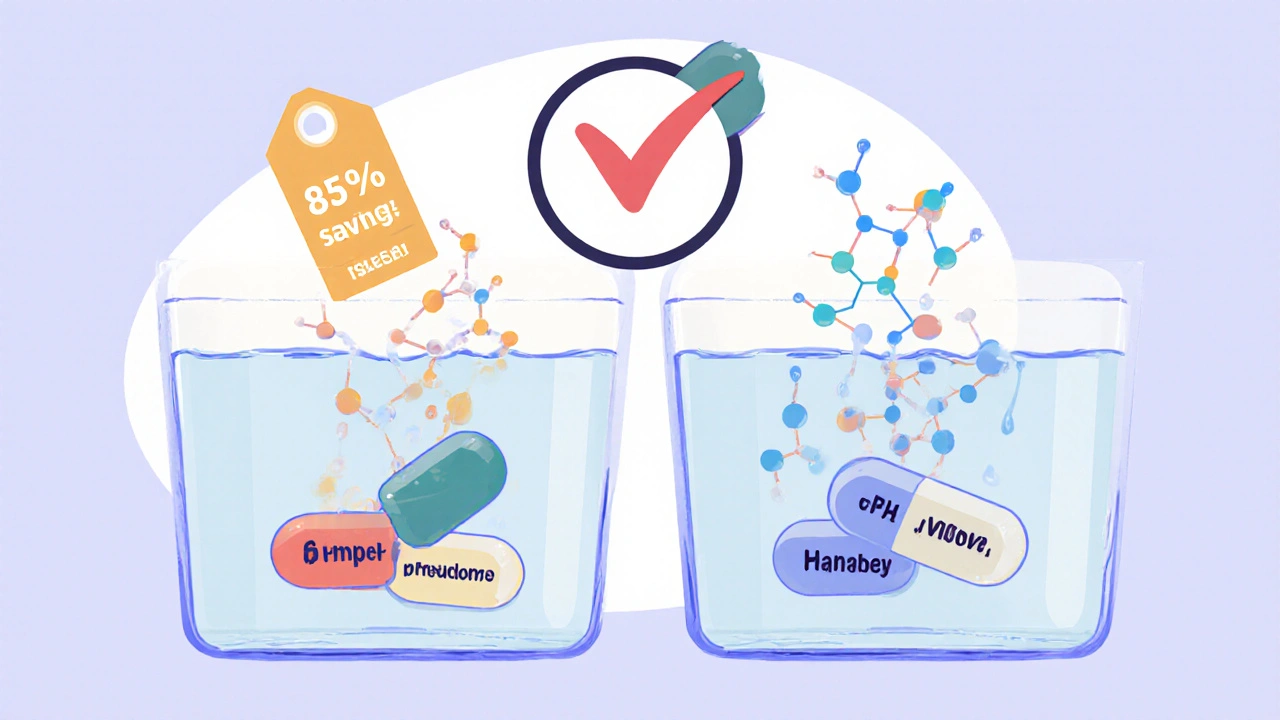
Generic vs. Brand Name Drugs: What You Need to Know About Bioequivalence and Cost Savings
Generic drugs are just as effective as brand-name versions, saving patients up to 85% on medication costs. Learn how bioequivalence testing ensures safety and when to watch for subtle differences.
Supply Chain Economics: How Efficiency Drives Generic Drug Distribution
Generic drug distribution survives on razor-thin margins, but efficiency isn't just about cost-cutting-it's about preventing life-threatening shortages. Learn how data, technology, and smarter inventory are reshaping the system.
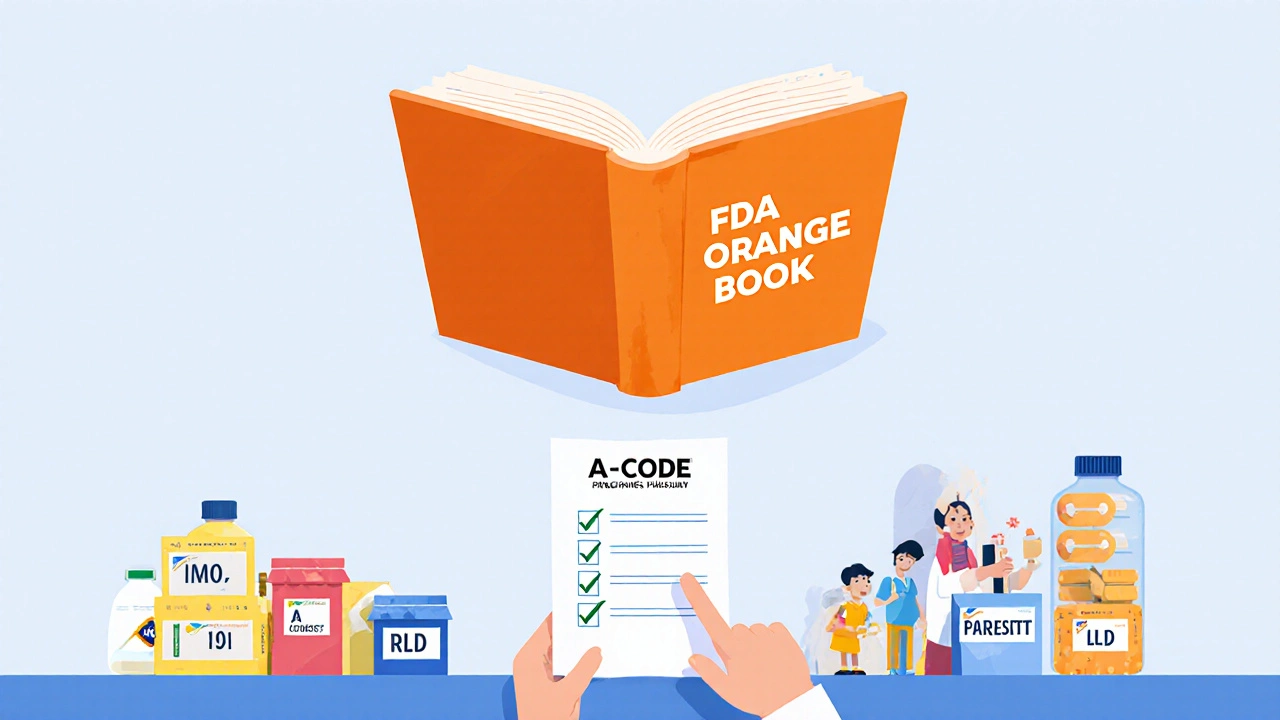
FDA Orange Book: How Approved Generic Drugs Are Listed
The FDA Orange Book lists approved generic drugs and shows which ones are therapeutically equivalent to brand-name drugs. It's the official guide for pharmacists, insurers, and patients to understand drug substitution rules.

Black Box Warnings: What You Need to Know About the FDA’s Strongest Drug Safety Alerts
Black box warnings are the FDA's strongest safety alerts for prescription drugs, signaling life-threatening risks. Learn what they mean, how they're decided, and what to do if your medication has one.
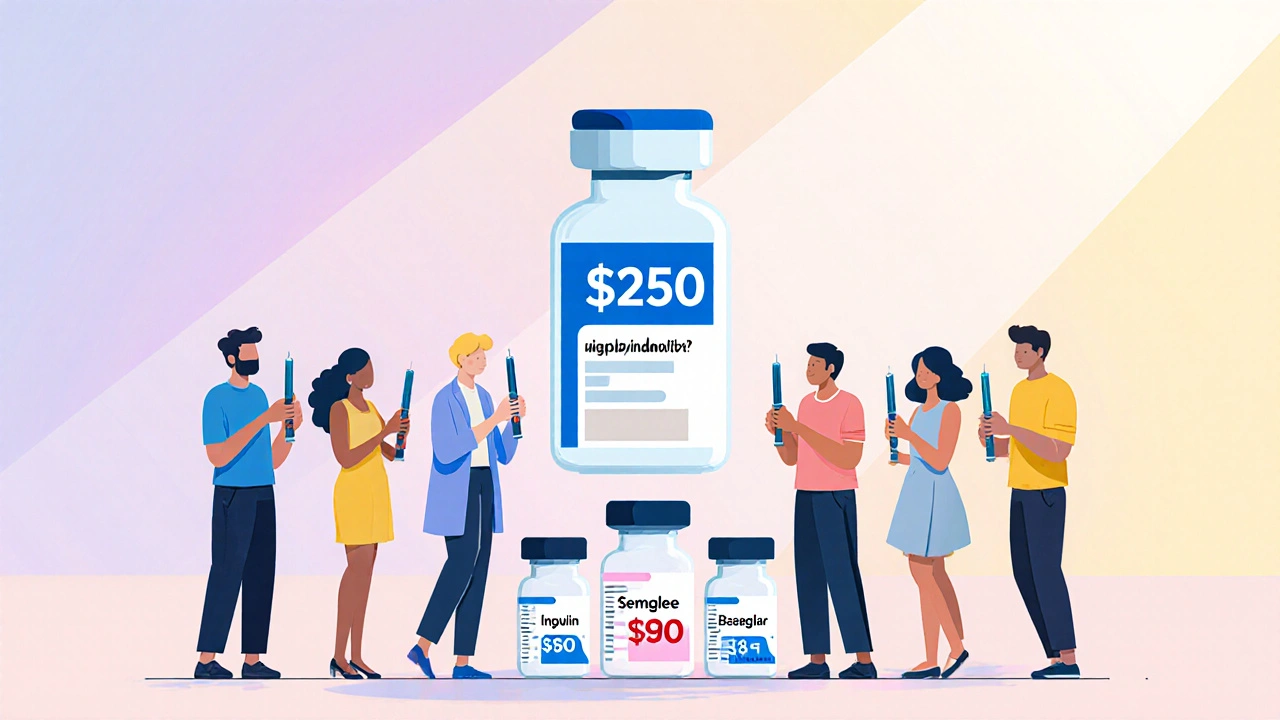
Insulin Biosimilars: What You Need to Know About Cost, Safety, and Market Options
Insulin biosimilars offer the same effectiveness as branded insulins at 30% lower cost. Learn how they work, which ones are available, why adoption is slow, and how to switch safely.
Roxithromycin vs. Other Antibiotics: What Works Best and When
Roxithromycin is a macrolide antibiotic used for respiratory and skin infections. Compare it to azithromycin, clarithromycin, and amoxicillin to understand when it's the best choice - and when to avoid it.