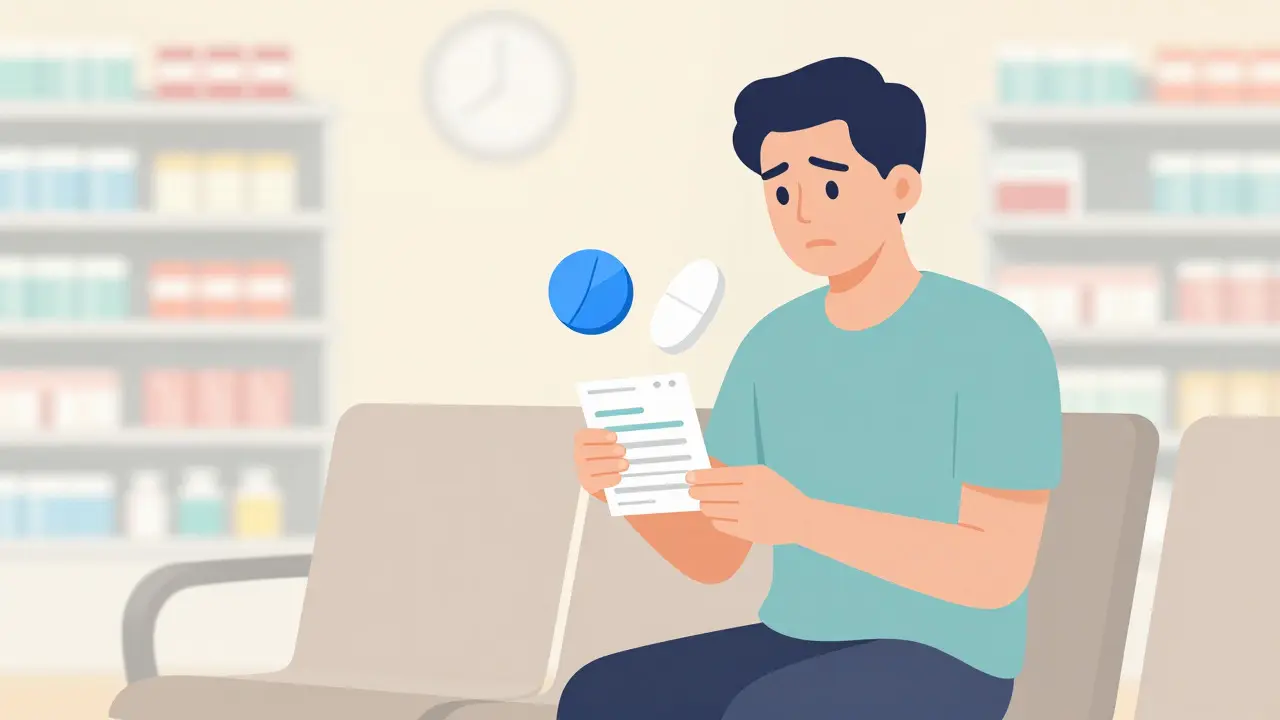
You sit in the pharmacy waiting area, holding a prescription for a medication you’ve taken for years. The pharmacist hands you a bag with pills that look different-different color, different shape, maybe even a different imprint code. They tell you it’s the generic version. Your heart skips a beat. Is this going to work the same? Will it save money? Or are you risking your health by switching?
This is a moment millions of patients face every year. The choice between generic drugs and brand-name medications isn’t just about cost; it’s about trust, science, and understanding how your body processes medicine. With healthcare costs rising, making an informed decision can save you thousands while keeping you healthy. Let’s break down what really matters when choosing between these two options.
What Actually Makes a Drug “Generic”?
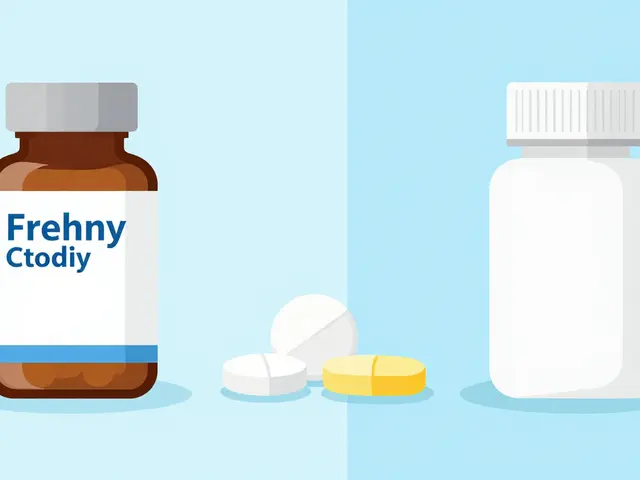
To make a smart choice, you first need to know what you’re comparing. A generic drug is a pharmaceutical product that contains the same active ingredient, strength, dosage form, and route of administration as a previously approved brand-name drug.
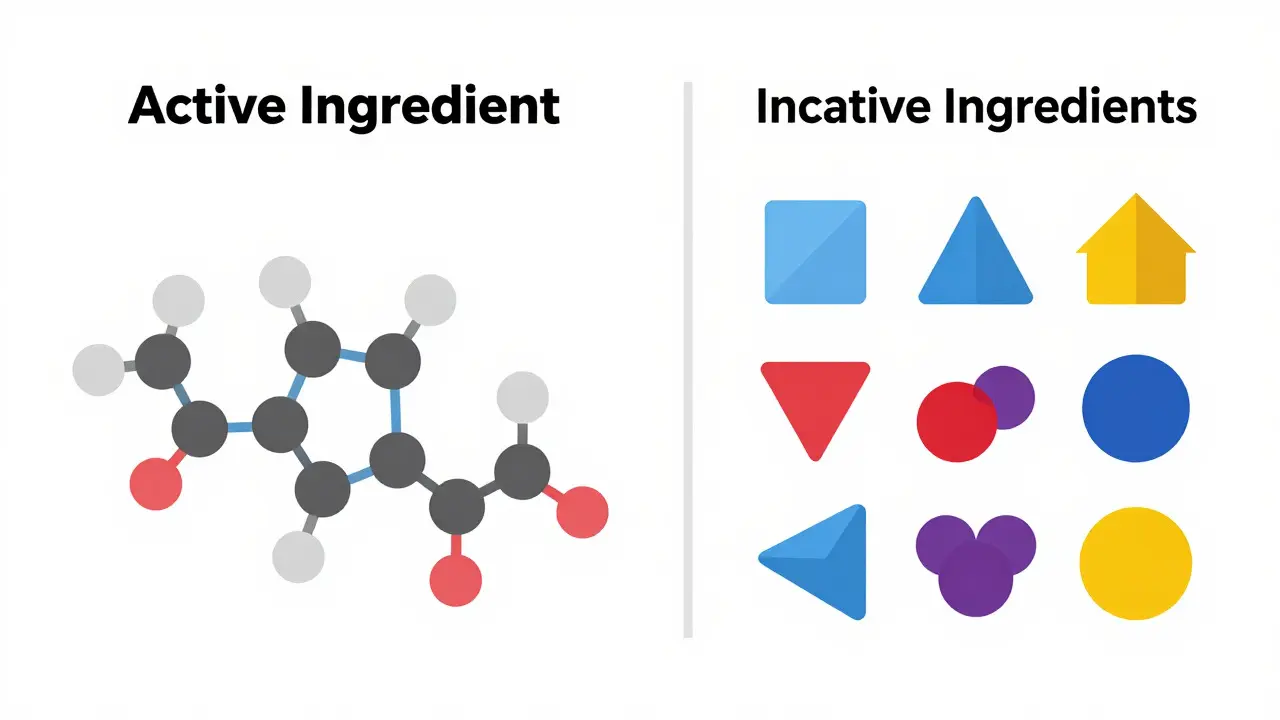
The key word here is “active ingredient.” This is the part of the pill that actually treats your condition. Whether you take the original brand or the generic, that chemical compound is identical. It works the same way in your body because it is the same molecule.
However, generics can differ in their inactive ingredients. These are fillers, binders, colors, and preservatives that hold the pill together or mask its taste. While usually harmless, these differences can occasionally cause issues for people with specific allergies or sensitivities. For example, if you are allergic to lactose, a generic manufacturer might use a different filler than the brand-name company did.
Historically, this system was solidified by the Hatch-Waxman Act of 1984, which established the legal framework for generic drug approval through the Abbreviated New Drug Application (ANDA) process. Before this law, getting a generic drug was nearly impossible due to patent protections. Today, generics account for 90% of all prescriptions dispensed in the United States, proving that patients and doctors have largely embraced them.
The Science of Bioequivalence: Do They Work the Same?
The biggest fear patients have is that the generic won’t work as well. To address this, the Food and Drug Administration (FDA) requires rigorous testing called bioequivalence studies. But what does that actually mean for you?
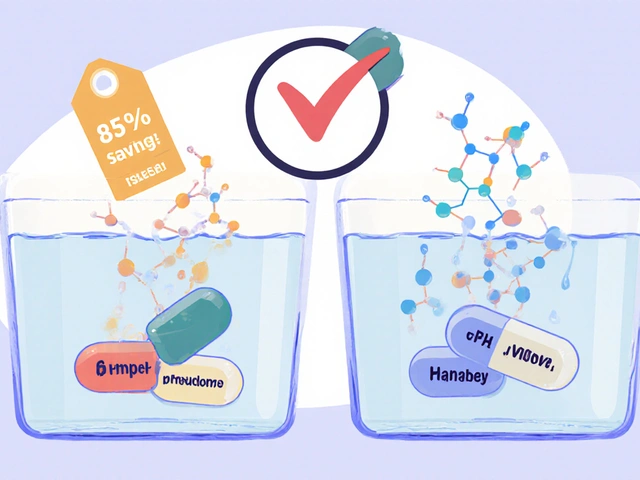
Bioequivalence means the generic drug delivers the same amount of active ingredient into your bloodstream at the same speed as the brand-name drug. The FDA sets strict limits: the generic must perform within 80% to 125% of the brand-name reference product regarding absorption rates. In practice, most generics fall much closer to the middle, often differing by less than 3.5%.
| Feature | Brand-Name Drug | Generic Drug |
|---|---|---|
| Active Ingredient | Original formulation | Identical chemical structure |
| Inactive Ingredients | Proprietary mix | May vary (fillers, dyes) |
| Average Cost Savings | $0 (Baseline) | 80-85% cheaper |
| FDA Approval Path | New Drug Application (NDA) | Abbreviated New Drug Application (ANDA) |
| Therapeutic Equivalence | Reference standard | Must match reference (AB rated) |
A 2019 meta-analysis published in JAMA Internal Medicine reviewed 47 studies involving nearly 10,000 patients. The result? Generics performed identically to brand-name drugs in 98.5% of cases across cardiovascular, mental health, and metabolic conditions. For the vast majority of medications, you are getting the exact same therapeutic outcome.
When Brand-Name Might Still Be Necessary
While generics are safe for most people, there are exceptions. Knowing these exceptions helps you decide when to push for the brand name and when to accept the generic.
First, consider narrow therapeutic index (NTI) drugs. These are medications where a tiny change in blood concentration can lead to treatment failure or toxicity. Examples include warfarin (blood thinner), levothyroxine (thyroid hormone), and phenytoin (seizure control). For these drugs, some experts recommend staying on one specific manufacturer, whether brand or generic, to avoid fluctuations.
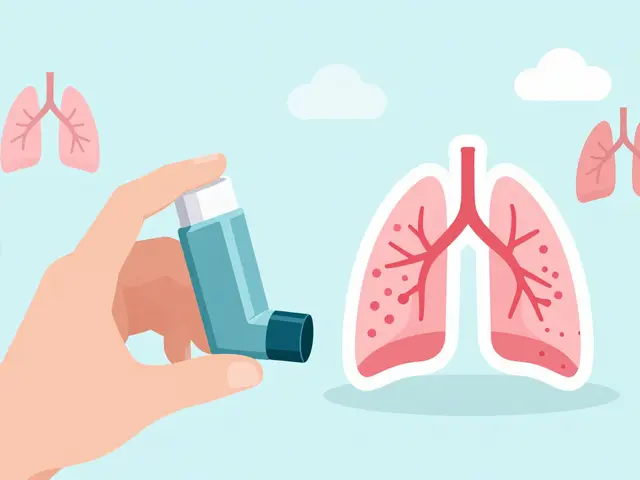
Second, look at complex delivery systems. Inhalers like Advair or auto-injectors like EpiPen rely heavily on device mechanics, not just the drug itself. A 2016 study found that 12% of patients switched from brand Advair to generic versions experienced breathing difficulties, not because the drug was weaker, but because the inhaler technique differed slightly. Similarly, a 2023 study noted issues with generic EpiPen devices affecting dose delivery.
Third, consider personal sensitivity. If you have a known allergy to a specific dye or filler used in a generic version, you may need the brand name. Always check the inactive ingredient list if you have a history of reactions.
The Financial Reality: Why Cost Matters More Than You Think
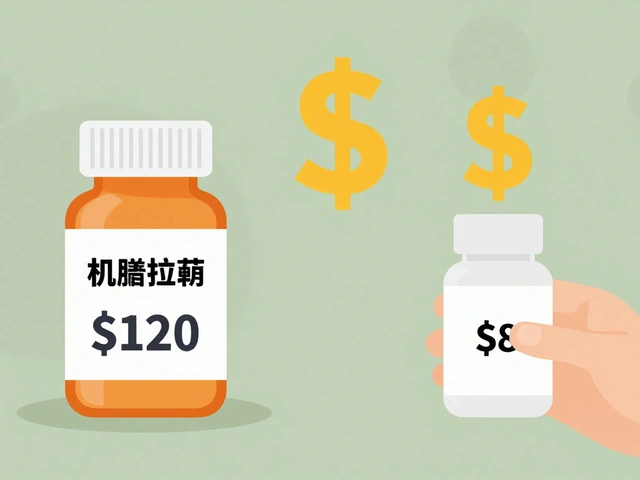
Let’s talk numbers. The average brand-name prescription costs around $145, while the generic equivalent costs about $15. That’s a 90% difference. Over a year, taking a daily medication could save you thousands of dollars.
But money isn’t just about savings-it’s about adherence. When medication is too expensive, people skip doses. According to the American College of Physicians, 29% of patients prescribed brand-only medications skip doses due to cost, compared to only 14% of those with generic alternatives. Skipping doses leads to worse health outcomes, hospitalizations, and higher long-term costs.
For example, sertraline (brand name Zoloft) can cost $400 for a 30-day supply. The generic version costs roughly $4. That’s not just a discount; it’s the difference between treating depression consistently and struggling to afford care. The Generic Pharmaceutical Association reports that generics saved the U.S. healthcare system $1.67 trillion between 2010 and 2019. Those savings trickle down to you in lower premiums and out-of-pocket costs.
Navigating the Switch: Practical Steps for Patients
If you’re worried about switching to a generic, here’s how to do it safely:
- Talk to your pharmacist. They see hundreds of switches a day. Ask if there have been any reported issues with the specific generic manufacturer they use.
- Check for “Dispense As Written.” In 49 states, pharmacists automatically substitute generics unless your doctor specifies otherwise. If you prefer the brand, ask your doctor to mark the prescription accordingly.
- Monitor your symptoms. After switching, keep a log for two weeks. Note any changes in effectiveness or side effects. Most adjustments happen quickly, but tracking helps you spot real issues versus placebo anxiety.
- Use consistent pharmacies. Different pharmacies may source generics from different manufacturers. Sticking to one pharmacy ensures you get the same batch consistency over time.
- Verify NTI drugs. If you take thyroid medication, blood thinners, or seizure drugs, ask your doctor if you should stay on a single manufacturer. Some states require notification for these switches.
Visual aids can also help. A 2023 study showed that providing patients with photos of both brand and generic pills reduced medication errors by 37%. Don’t be afraid to ask your pharmacist to show you what the new pill looks like before you leave the counter.
Future Trends: What’s Coming Next?
The landscape of generic drugs is evolving. The Inflation Reduction Act of 2022 allows Medicare to negotiate prices for high-cost drugs starting in 2026, which will likely accelerate generic competition. Meanwhile, biosimilars-generic versions of complex biologic drugs-are entering the market, though they face stricter regulations than traditional generics.
Supply chain concerns are also emerging. Nearly 80% of generic active pharmaceutical ingredients come from India and China. Any disruption in these regions could affect availability. However, the FDA has tightened oversight under GDUFA III, reducing review times for priority generics to 10 months while enhancing quality checks.
As more patents expire, expect to see generics for previously brand-only treatments like certain diabetes medications and cancer therapies. This trend will continue to drive down costs and expand access to life-saving treatments.
Are generic drugs always safe?
Yes, for the vast majority of medications. The FDA requires generics to meet the same strict standards for purity, strength, and performance as brand-name drugs. Studies show 98.5% therapeutic equivalence across common drug classes. Exceptions exist for narrow therapeutic index drugs and complex delivery systems, where close monitoring is advised.
Why do generic pills look different?
Generics can differ in color, shape, size, and inactive ingredients like fillers and dyes. These differences are cosmetic and functional (to hold the pill together) but do not affect the active ingredient. The variation exists because generic manufacturers cannot copy the brand’s trademarked appearance, and they may use different excipients to achieve stability.
Should I switch my thyroid medication to generic?
Proceed with caution. Levothyroxine is a narrow therapeutic index drug, meaning small changes in absorption can impact your thyroid levels. Many endocrinologists recommend staying on one specific manufacturer (brand or generic) to maintain stable TSH levels. If you switch, monitor your blood tests closely for 6-8 weeks.
How much can I save with generics?
On average, generics cost 80-85% less than brand-name equivalents. For example, generic atorvastatin costs about $0.10 per tablet versus $4.50 for the brand. Annual savings can range from hundreds to thousands of dollars depending on your medication regimen, significantly improving adherence and reducing financial stress.
Can I refuse a generic substitution?
Yes, but your insurance may charge you more. In most states, pharmacists automatically substitute generics unless your doctor writes “dispense as written.” If you prefer the brand name, discuss this with your prescriber. Be aware that your copay may increase substantially if the plan doesn’t cover the brand tier.