Acute Diarrhea: Causes, Risks, and What You Need to Know
When you have acute diarrhea, a sudden onset of loose, watery stools that lasts less than two weeks. It's not just an inconvenience—it's a signal your body is losing fluids and electrolytes faster than it can replace them. This isn't the kind of stomach upset you can ignore. Millions end up in emergency rooms each year because they waited too long to act. Acute diarrhea can strike anyone, but it's especially dangerous for kids, older adults, and people with chronic illnesses.
The most common causes? Viruses like norovirus or rotavirus, contaminated food or water, and certain antibiotics that throw off your gut bacteria. Sometimes it's as simple as eating something that didn’t agree with you. But other times, it’s a sign of something deeper—like a bacterial infection from E. coli or Salmonella. dehydration, the loss of water and essential salts from the body is the real danger here. Without enough fluids, your blood pressure drops, your kidneys struggle, and your heart works harder. In severe cases, it can lead to shock.
oral rehydration salts, a precise mix of glucose and electrolytes designed to restore lost fluids are the gold standard for treatment. They’re cheap, effective, and available without a prescription. Water alone won’t cut it—you need the right balance of sodium, potassium, and sugar to pull fluids back into your bloodstream. Don’t reach for sports drinks or soda—they have too much sugar and not enough electrolytes. And avoid anti-diarrheal meds like loperamide unless you’re sure it’s not a bacterial infection. Stopping the diarrhea too soon can trap harmful bugs inside you.
How do you know when it’s serious? If you’re dizzy, have a dry mouth, stop peeing for more than 8 hours, or see blood in your stool, get help immediately. Fever over 102°F, confusion, or a racing heart are red flags. Kids show different signs—no tears when crying, sunken eyes, or skin that doesn’t bounce back when pinched. These aren’t guesses—you’re looking at a medical emergency.
The good news? Most cases clear up on their own in a few days. But knowing what to do—and what not to do—can make all the difference. You’ll find practical advice here on managing symptoms, recognizing warning signs, avoiding common mistakes, and understanding when medications help or hurt. Whether you’re caring for a child, managing a flare-up yourself, or just trying to stay informed, the posts below give you real, actionable steps based on current medical guidance.
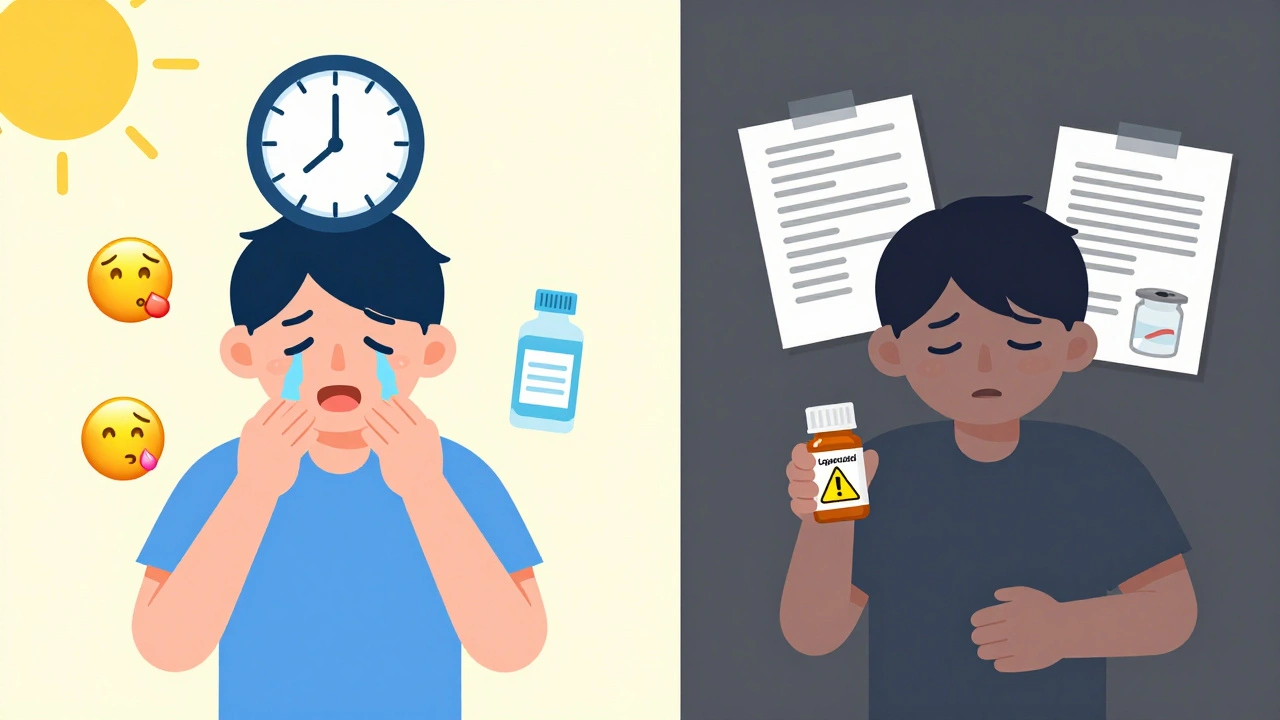
Diarrhea: Understanding Acute vs. Chronic and When Antimotility Drugs Help
Understand the difference between acute and chronic diarrhea, when to use antimotility drugs like loperamide, and what to do when diarrhea lasts more than two weeks. Get the facts on causes, risks, and real treatment options.