Alcohol Use Disorder Medications: What Works, What to Avoid, and How to Stay Safe
When someone struggles with alcohol use disorder, a medical condition where drinking becomes uncontrollable and harms health, relationships, or daily life. Also known as alcohol dependence, it’s not a moral failing—it’s a brain disorder that responds to targeted treatment. Many people don’t realize there are FDA-approved medications that can help reduce cravings, prevent relapse, and support recovery. These aren’t magic pills, but they work best when paired with counseling and lifestyle changes.
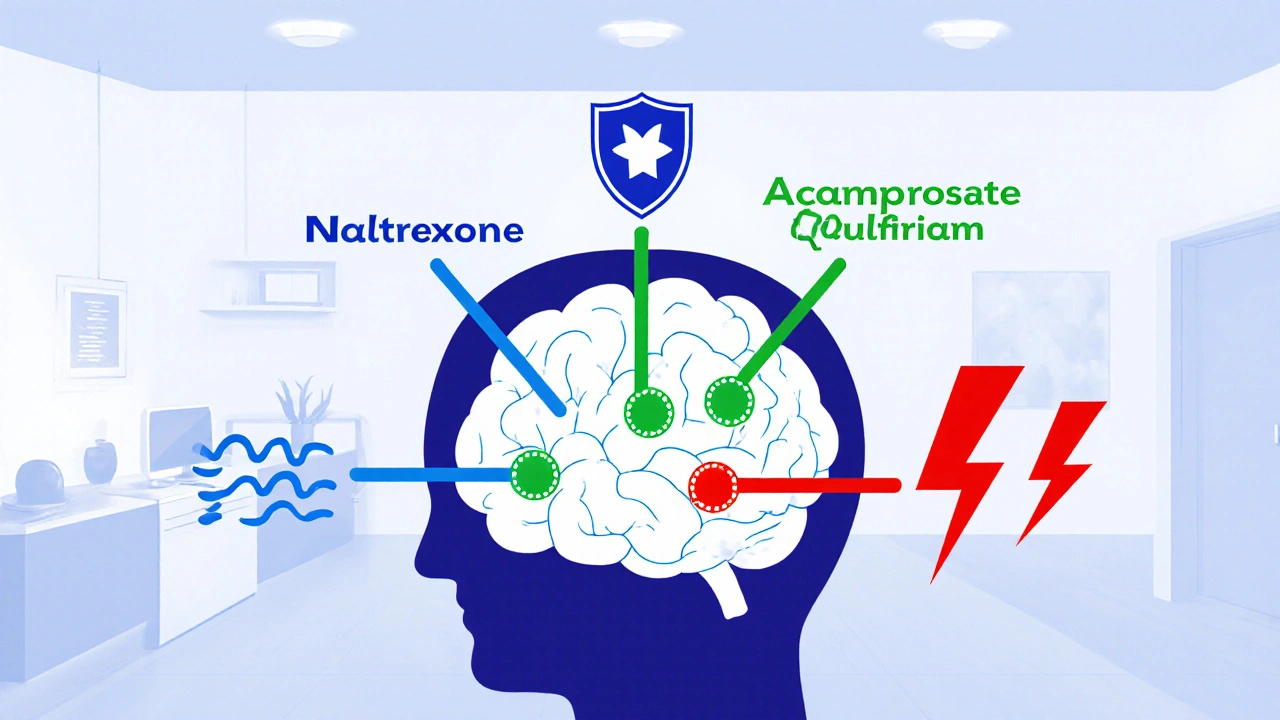
Three main drugs are commonly used: naltrexone, a blocker that reduces the pleasurable effects of alcohol, acamprosate, which helps stabilize brain chemistry after stopping drinking, and disulfiram, a deterrent that causes unpleasant reactions if alcohol is consumed. Each has different side effects and works for different people. For example, naltrexone is often chosen for those who still drink occasionally but want to cut back. Acamprosate helps people who’ve already stopped and need help staying stopped. Disulfiram requires strict discipline—it’s not for everyone.
What’s often missed is how these medications interact with other conditions. If you have liver health, a major concern for people with long-term alcohol use, some drugs can be risky. Paracetamol, for instance, is dangerous during alcohol withdrawal—it’s a common mistake. And if you’re on other meds for anxiety, depression, or heart issues, interactions can be serious. That’s why checking FDA drug safety, official guidelines that flag risks like black box warnings or dangerous combinations is critical. You wouldn’t take a new painkiller without reading the label—don’t do it with alcohol recovery meds either.
Recovery isn’t just about stopping drinking. It’s about rebuilding your body. Withdrawal can trigger seizures, delirium, or severe anxiety—and doing it alone is dangerous. Medical supervision isn’t optional for heavy drinkers. That’s why detox strategies, nutrition, and monitoring liver enzymes matter just as much as the pills. The posts below cover real-world cases: how people managed withdrawal without harming their liver, what side effects to watch for, and how to avoid dangerous mix-ups with other meds. You’ll find clear advice on what works, what doesn’t, and how to talk to your doctor about the right option for you. No fluff. No guesswork. Just facts you can use.
Medications for Alcohol Use Disorder: How They Reduce Relapse Risk - and When They Don’t
Naltrexone, acamprosate, and disulfiram can reduce relapse risk in Alcohol Use Disorder - but only if used correctly. Learn how they work, who they help, and why so few people get them.