Gout Medication: Effective Treatments and What You Need to Know
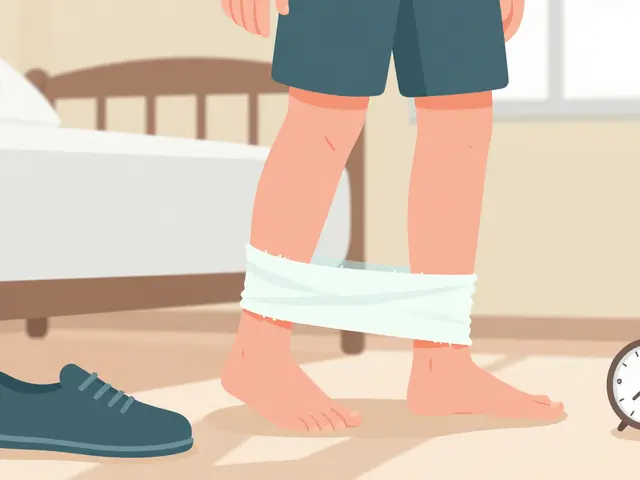
When you’re dealing with a gout attack, a sudden, intense joint pain caused by uric acid crystals building up in the body. Also known as podagra, it often hits the big toe hard—red, swollen, and so painful even a bedsheet feels unbearable. This isn’t just bad luck. It’s your body’s reaction to too much uric acid, a waste product that forms when your body breaks down purines in food and your own cells. If your kidneys can’t flush it out fast enough, it turns into sharp crystals that trigger inflammation. That’s where gout medication, drugs designed to either reduce uric acid production or help your body get rid of it faster. comes in.
There are two main goals: stop the pain now, and keep it from coming back. For immediate relief, colchicine, a drug that blocks the inflammatory response triggered by uric acid crystals. is often used. It doesn’t lower uric acid, but it calms the flare-up fast—if you take it early. Then there’s nonsteroidal anti-inflammatory drugs, like ibuprofen or naproxen, which reduce swelling and pain during an attack. For people who can’t take those, corticosteroids—either pills or shots—work too. But these are only short-term fixes. The real game-changer is long-term uric acid-lowering therapy, medications that target the root cause, not just the symptoms. That’s where allopurinol, the most common first-line drug that cuts down how much uric acid your body makes. comes in. If allopurinol doesn’t work or causes side effects, febuxostat, a similar drug that also lowers uric acid production. is the next step. Some people also use probenecid, a drug that helps your kidneys remove more uric acid. But it’s only good if your kidneys are still working well.
What most people don’t realize is that gout medication isn’t one-size-fits-all. Your age, kidney health, other meds you’re on, and even your diet all shape what works. Some drugs can cause rashes, liver issues, or interact with heart meds. And starting uric acid-lowering drugs too fast can actually trigger a flare. That’s why doctors often pair them with low-dose colchicine at first—to prevent that initial wave of pain while your body adjusts. The goal isn’t just to feel better next week. It’s to keep your joints healthy for years. If your uric acid stays below 6 mg/dL, crystals start to dissolve. That’s when the swelling stops, the nodules shrink, and you stop dreading the next attack.
Below, you’ll find real, detailed guides on how these drugs work, what side effects to watch for, how to take them safely with other meds, and what to do when one doesn’t work. No fluff. Just clear, practical info from people who’ve been there.
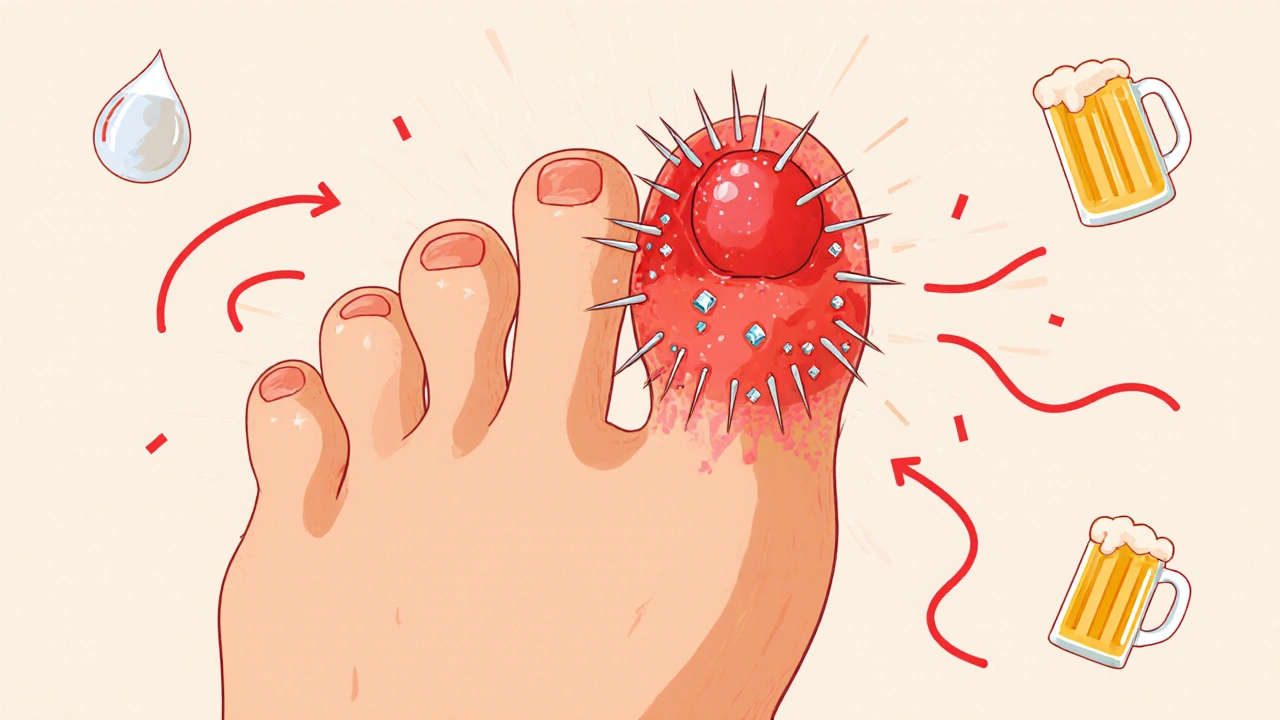
Gout Attacks: Understanding Uric Acid, Triggers, and Effective Medication Strategies
Gout attacks are caused by uric acid crystals in joints, triggered by diet, dehydration, or medication changes. Learn how to manage flares and prevent them long-term with effective meds and lifestyle steps.