Joint Health: What Works, What Doesn’t, and How Medications Help
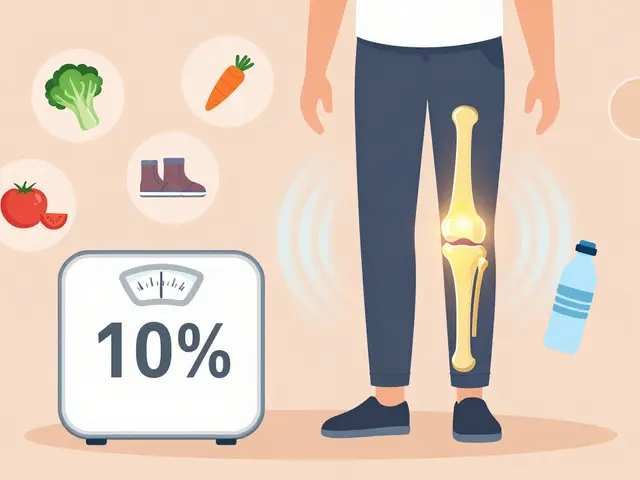
When you think about joint health, the condition of your knees, hips, fingers, and other moving parts that let you walk, lift, and bend without pain. Also known as musculoskeletal wellness, it’s not just about avoiding arthritis—it’s about keeping your body moving without relying on painkillers every day. Millions of people deal with stiff, aching joints, and most don’t realize how many of the solutions they try—like creams, supplements, or even over-the-counter pain pills—can do more harm than good if used wrong.
One big piece of the puzzle is topical pain relievers, creams, gels, and patches you rub or stick on your skin to ease joint discomfort. These include menthol, capsaicin, and lidocaine, which work locally to block pain signals. But here’s the catch: using too much lidocaine can cause a dangerous overdose, and capsaicin can burn if not applied carefully. They’re helpful for short-term relief, but they don’t fix what’s going on inside the joint. Then there’s gout attacks, sudden, intense pain caused by uric acid crystals building up in the joints, often in the big toe. It’s not just "bad luck"—diet, dehydration, and certain meds can trigger it. Managing gout means understanding how to lower uric acid long-term, not just treating the flare. And behind both of these is the quiet, constant enemy: inflammation, the body’s natural response to injury or wear-and-tear that, when it sticks around too long, starts breaking down cartilage and bone. Chronic inflammation is what turns occasional stiffness into osteoarthritis. Most people try to silence it with NSAIDs like ibuprofen, but those carry risks for your stomach, kidneys, and heart if used daily.
What you won’t find in a quick Google search is how these pieces connect. A cream that helps your knee might do nothing for your fingers. A supplement that claims to rebuild cartilage? Most don’t work. And if you’re taking meds for something else—like high blood pressure or depression—some of them could be making your joint pain worse. The posts below cut through the noise. You’ll find real advice on what actually supports joint health, which OTC options are safe, how gout flares are managed, and why inflammation isn’t something you can just "rub away." No hype. No supplements sold. Just what works, what doesn’t, and how to protect your joints before they start hurting too much to move.
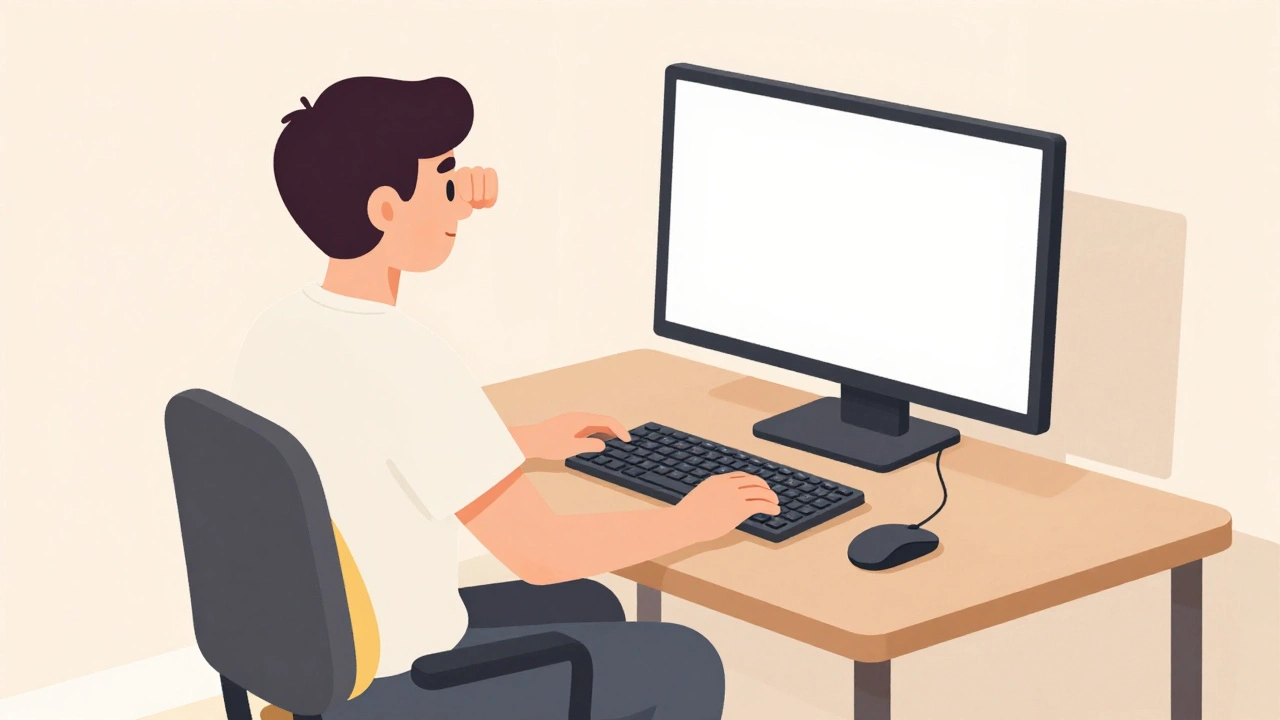
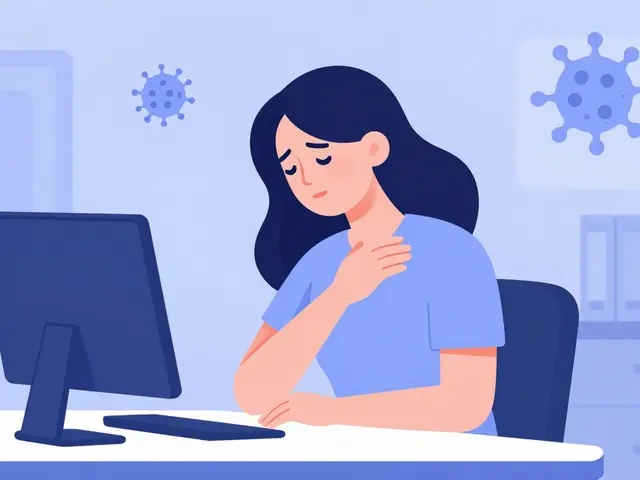
Ergonomics for Joint Health: Workstation and Posture Tips to Reduce Pain
Learn how to set up your workstation to reduce joint pain from sitting all day. Practical tips on chair height, monitor position, keyboard placement, and microbreaks backed by science.