Lithium Interactions: What You Need to Know About Drug Risks and Safety
When you take lithium, a mood-stabilizing medication primarily used to treat bipolar disorder. Also known as lithium carbonate, it works by balancing brain chemicals—but it doesn’t take much to push it into dangerous territory. Lithium has a very narrow window between helping and harming. Even small changes in your body’s chemistry—like dehydration, a new painkiller, or a blood pressure pill—can cause lithium levels to spike, leading to toxicity.
One of the biggest risks comes from NSAIDs, nonsteroidal anti-inflammatory drugs like ibuprofen and naproxen. These are common, over-the-counter pain relievers, but they reduce kidney function just enough to make your body hold onto lithium longer. That’s why people on lithium often end up in the ER after taking Advil for a headache. Diuretics, water pills used for high blood pressure or swelling are another major concern. They lower sodium levels, which triggers the kidneys to reabsorb more lithium. ACE inhibitors and ARBs—common heart and kidney meds—do the same thing. And don’t forget antidepressants, especially SSRIs like fluoxetine or sertraline. They don’t just add to mood changes; they can push lithium into the red zone.
Lithium doesn’t just play nice with other drugs—it also messes with your body’s natural systems. It can slow down your thyroid, causing fatigue, weight gain, or depression that looks like your bipolar symptoms are coming back. And your kidneys? They’re constantly working to filter lithium out. Over time, that can lead to long-term damage, even if your blood levels seem fine. That’s why regular blood tests aren’t optional—they’re life-saving.
What you’ll find in the posts below isn’t just a list of drug names. It’s real-world guidance on how lithium fits into the bigger picture of medication safety. You’ll see how it compares to other mood stabilizers, why certain pain relievers are risky, and how to spot early signs of trouble before it’s too late. These aren’t theoretical warnings—they’re based on what patients actually experience, and what doctors miss in busy clinics. Whether you’re on lithium now, considering it, or helping someone who is, this collection gives you the tools to ask the right questions and avoid the most common mistakes.
Mood Stabilizers: Lithium, Valproate, and Carbamazepine Interactions Explained
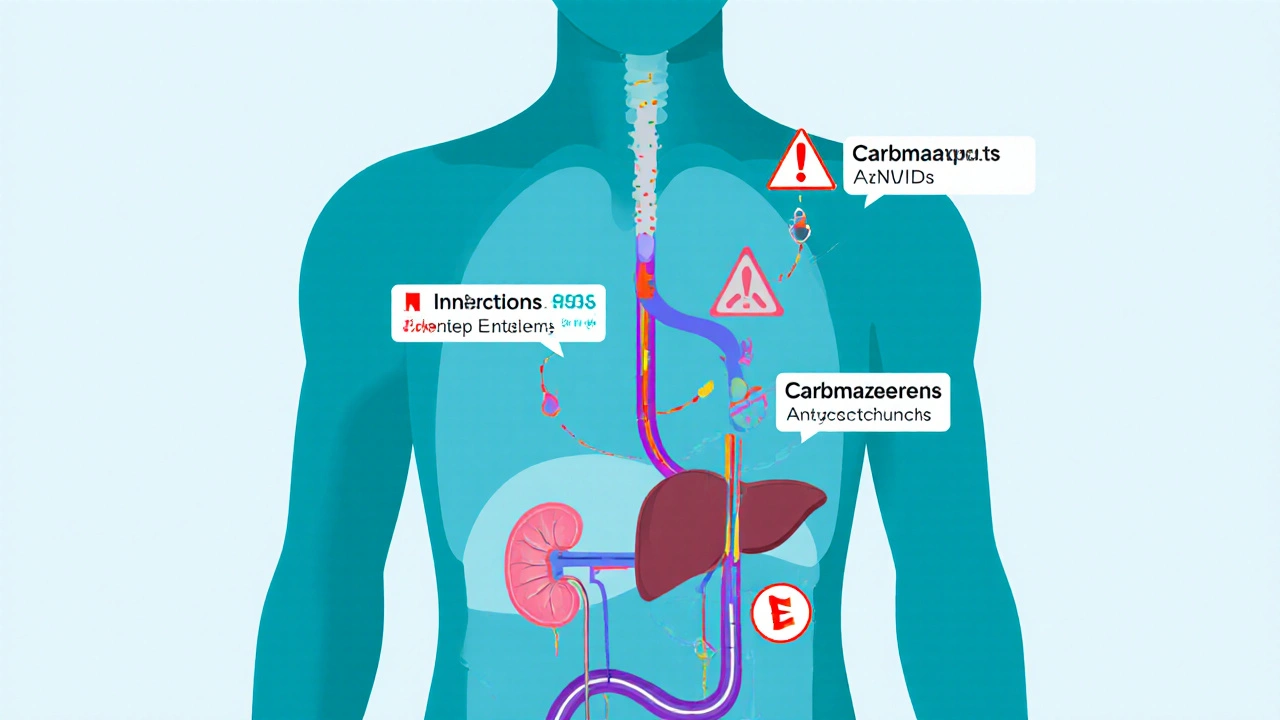
Lithium, valproate, and carbamazepine are powerful mood stabilizers with dangerous interactions. Learn how common drugs like ibuprofen or diuretics can trigger toxicity, why valproate boosts lamotrigine levels, and what to do if you're on one of these meds.