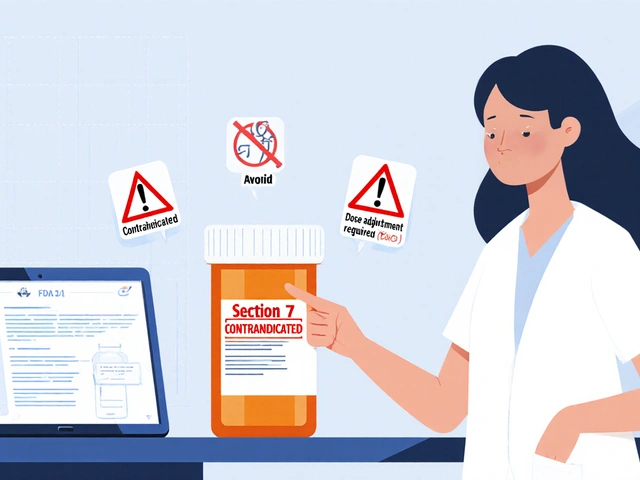
Warfarin: A Practical Guide to Understanding This Blood Thinner
If you've been prescribed Warfarin, you're probably familiar with its use as a blood thinner to prevent clots. But what exactly does Warfarin do, and how can you use it safely? Let's break it down so you get clear, no-nonsense info.
Warfarin helps reduce the risk of dangerous blood clots that can cause strokes, heart attacks, or deep vein thrombosis. It works by slowing down your body's ability to form clots, which is crucial if you've had issues with clots before or have certain heart conditions.
How to Manage Your Warfarin Treatment
One important thing about Warfarin is that finding the right dose can take time. Doctors usually order regular blood tests (called INR tests) to check how fast your blood is clotting and adjust your dose accordingly. This helps keep you in the safe zone — high enough to prevent clots, but not so high that you risk bleeding.
Because Warfarin interacts with foods and other meds, you need to watch what you eat, especially vitamin K-rich veggies like spinach and kale. Sudden changes in your diet can throw off your levels. Also, tell your doctor about any other drugs or supplements you're taking — some can make Warfarin more or less effective.
What to Watch Out For
Bleeding is the main risk with Warfarin. If you notice unusual bruising, bleeding gums, nosebleeds, or blood in your urine or stool, contact your doctor right away. Don’t stop taking Warfarin without medical advice, even if you feel fine, because that can increase your clot risk.
Before any surgery or dental work, let your doctor know you’re on Warfarin so they can manage your treatment safely. Also, avoid high-impact sports or activities that increase bleeding risk while on this medication.
Warfarin may not be the easiest medication to manage, but with the right care and attention, it’s a powerful tool to protect your health. Always follow your healthcare provider’s instructions, stay consistent with your monitoring, and communicate any concerns promptly. That way, you can stay safe and keep clots at bay.

DOACs vs Warfarin for Diabetics: Safer Blood Thinners for AFib and DVT?
Curious if newer blood thinners beat old-school warfarin for diabetics with atrial fibrillation or DVT? This article digs deep into how DOACs and warfarin compare for people managing both diabetes and clot risks. You'll get clear facts, practical advice, and the latest research to help you weigh treatment options and talk to your doctor with confidence.