Cytokines: Simple Guide to the Body’s Signaling Molecules
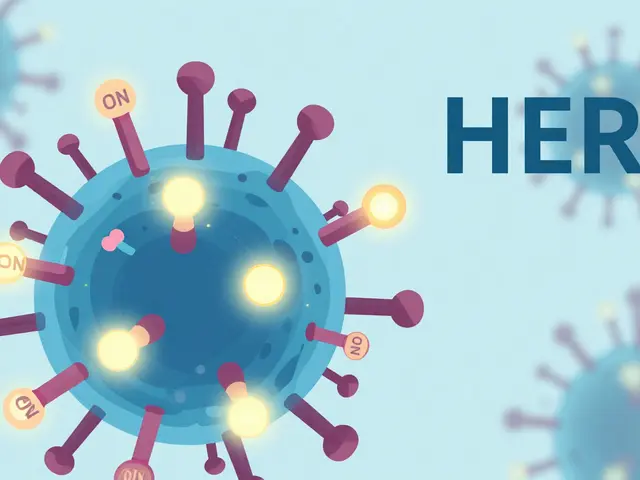
Ever wonder how your body knows when to fight an infection or calm down after a cut? The answer lies in tiny proteins called cytokines. Think of them as text messages that cells send to each other, telling the immune system when to act.
What Cytokines Do in Everyday Health
When a virus or bacteria shows up, immune cells release cytokines to raise the alarm. This triggers fever, swelling, and the rush of white blood cells to the problem spot. Once the threat is cleared, other cytokines tell the system to stand down, preventing unnecessary damage.
Because cytokines control both attack and repair, they’re involved in everything from the common cold to chronic illnesses like arthritis. An over‑active cytokine response can cause a "cytokine storm," which is why doctors watch cytokine levels in severe infections.
Balancing Cytokines with Lifestyle Choices
Good sleep, balanced meals, and regular movement all help keep cytokine signals on track. Foods rich in omega‑3 fatty acids—like salmon, walnuts, and flaxseeds—have been shown to calm inflammatory cytokines. On the flip side, excessive sugar and processed foods can push cytokines toward a pro‑inflammatory state.
Stress management matters, too. Chronic stress pumps up cortisol, which can disturb cytokine balance and leave you more vulnerable to colds. Simple practices such as deep breathing, short walks, or a few minutes of meditation each day can make a noticeable difference.
If you have a medical condition that involves cytokines—such as rheumatoid arthritis, inflammatory bowel disease, or certain cancers—your doctor may suggest cytokine‑targeted therapies. These drugs either block harmful cytokines or boost helpful ones, aiming to restore the body’s natural rhythm.
While prescription options exist, many people find benefit in complementary approaches. Curcumin from turmeric, green tea catechins, and antioxidants from berries all show promise in modulating cytokine activity without a prescription.
It’s worth noting that sudden changes in diet or supplements can also shift cytokine levels. If you’re adding a new product, start slowly and monitor how you feel. Talk to a healthcare professional if you notice persistent symptoms like joint pain or unusual fatigue.
In summary, cytokines are the messengers that keep your immune system humming. By supporting them with sleep, nutrition, stress reduction, and—when needed—medical guidance, you can help your body respond appropriately to threats and recover faster.
Ready to give your cytokines a boost? Try swapping a sugary snack for a handful of walnuts, add a 10‑minute walk after dinner, and set a regular bedtime. Small steps add up, and your immune system will thank you.

How Inflammation Shapes Your Oral Health: Risks, Signs & Solutions
Explore how inflammation drives gum disease, links to systemic conditions, and learn practical steps to control it for a healthier mouth.