Home Ear Care: Safe Practices, Common Mistakes, and What Really Works
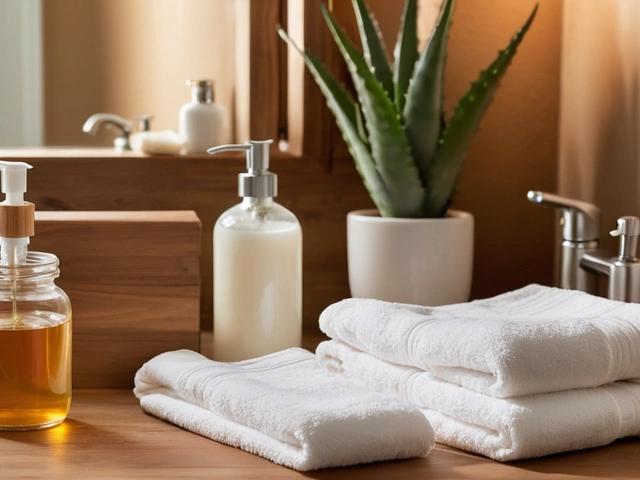
When it comes to home ear care, the everyday practices people use to maintain ear health without medical intervention. Also known as self-care for ears, it’s about keeping your ears clean, comfortable, and free from preventable problems—without turning your bathroom into a medical clinic. Most people think cleaning ears means sticking something inside them. That’s not just wrong—it’s dangerous. Your ears are self-cleaning. The skin inside your ear canal slowly moves outward, carrying wax and debris with it. All you really need to do is wipe the outer part with a damp cloth.
Earwax, a natural substance made by glands in the ear canal that protects against dust, bacteria, and water isn’t dirt. It’s a protective barrier. Trying to remove it with cotton swabs, bobby pins, or ear candles doesn’t help—it pushes wax deeper and can rupture your eardrum. If you feel blocked or hear muffled sounds, it’s likely wax buildup. But that doesn’t mean you need to dig it out. Warm water irrigation or over-the-counter drops like carbamide peroxide can soften it safely. If it doesn’t clear in a few days, see a professional. Pharmacists can recommend safe products, and doctors can remove wax with tools designed for the job.
Ear infections, inflammation of the ear caused by bacteria or viruses, often affecting the outer or middle ear are common, especially in kids. Signs include pain, redness, drainage, or hearing loss. For outer ear infections (swimmer’s ear), keeping ears dry is key. After swimming or showering, tilt your head and gently pull the earlobe to help water drain. A few drops of rubbing alcohol mixed with vinegar can help dry the canal—but only if you don’t have a perforated eardrum. Middle ear infections often need antibiotics, but not always. Many clear on their own. Don’t rush to antibiotics. Watch for fever, worsening pain, or symptoms lasting more than 48 hours. If you’re unsure, talk to your pharmacist. They can help you decide if it’s safe to wait or if you need to see a doctor.
People often confuse ear pain with toothaches or sinus pressure. That’s why self-diagnosis is risky. Hearing health, the overall condition of your ability to hear and process sound isn’t just about volume. It’s about clarity, balance, and comfort. If you notice ringing, dizziness, or sudden hearing loss, don’t wait. Those aren’t normal signs of aging or tiredness—they’re red flags. Even if you think it’s just wax, get it checked. Hearing loss can be temporary or permanent, and early action makes all the difference.
What you won’t find in this collection are miracle cures or YouTube hacks. You’ll find real, practical advice backed by clinical evidence. We cover how to clean ears safely, when to use drops versus when to see a doctor, how to prevent swimmer’s ear, why earplugs aren’t always the answer, and what to do if you have chronic earwax buildup. You’ll learn which home remedies help and which ones can ruin your hearing. No fluff. No hype. Just what works—and what doesn’t.
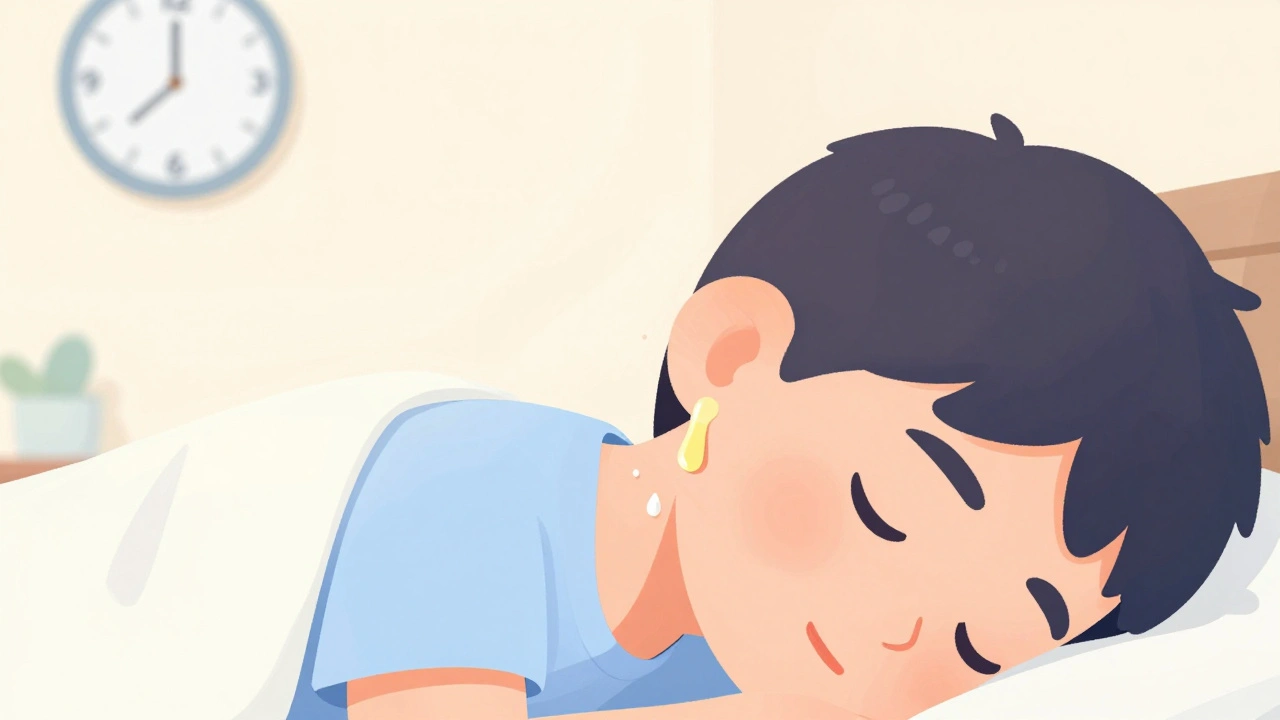
Cerumenolytics: How to Soften Earwax at Home Safely and Effectively
Learn how to safely soften earwax at home using over-the-counter cerumenolytics like carbamide peroxide, mineral oil, and baking soda solutions. Discover what works, what doesn’t, and when to see a doctor.