Medication Safety: Protect Yourself from Dangerous Side Effects and Drug Interactions
When you take a medication, you're trusting that it will help—not harm. But medication safety, the practice of using drugs in a way that minimizes risk while maximizing benefit. Also known as drug safety, it's not just about following labels—it's about understanding what your pills can do behind the scenes. Every year, hundreds of thousands of people end up in the hospital because of avoidable drug problems. Many of these aren’t mistakes—they’re misunderstandings. You might not know that your ibuprofen could spike your lithium levels, or that a common fiber supplement can stop your thyroid medicine from working. Medication safety means knowing the hidden rules.
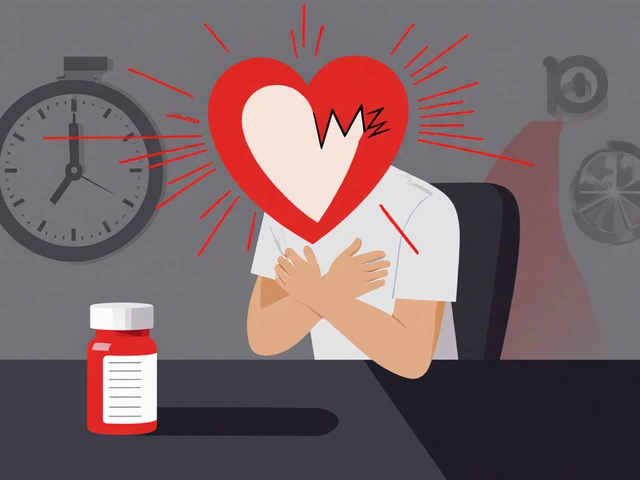
One of the biggest threats is drug interactions, when two or more medications affect each other in dangerous ways. Also known as drug-drug interactions, these can turn a safe dose into a life-threatening one. Take mood stabilizers like lithium or valproate—commonly prescribed for bipolar disorder. They’re fine on their own, but add a simple painkiller like ibuprofen or a water pill, and toxicity can creep in without warning. Or consider black box warnings, the strongest safety alerts the FDA can issue for prescription drugs. Also known as boxed warnings, they signal risks like liver failure, heart rhythm problems, or sudden death. If your medicine has one, it doesn’t mean you can’t take it—but it does mean you need to know the early signs: unexplained fatigue, yellow skin, irregular heartbeat, or trouble breathing. These aren’t side effects you ignore. They’re red flags.
Then there’s the system meant to catch these problems before they hurt more people: FDA safety reporting, the official way patients and doctors report harmful reactions to drugs and devices. Also known as adverse event reporting, it’s powered by tools like MedWatch, where even one report can trigger a safety review. Your voice matters. If you had a strange reaction to a new pill, you’re not overreacting—you’re helping protect others. And if you’re confused about what your meds do, MedlinePlus Drug Information, a free, no-ad, government-run resource for plain-language drug safety summaries gives you clear answers without the jargon.
Medication safety isn’t about fear. It’s about awareness. It’s knowing that a topical pain cream can burn your skin if you use too much, or that combining two acid reducers does nothing for your heartburn but raises your risk of infections. It’s understanding why generics are just as safe as brand names, and how the FDA’s Orange Book, the official list of approved generic drugs and their therapeutic equivalents helps pharmacists make the right substitutions. It’s realizing that drug shortages aren’t random—they’re tied to global supply chains, and that even a delay in a single ingredient can leave people without their lifesaving meds.
Below, you’ll find real, practical guides on exactly what to watch for, how to avoid mistakes, and what tools you can use to take control. From spotting early signs of dangerous reactions to decoding FDA labels, this collection gives you the facts—not fluff. You don’t need to be a doctor to stay safe. You just need to know where to look.
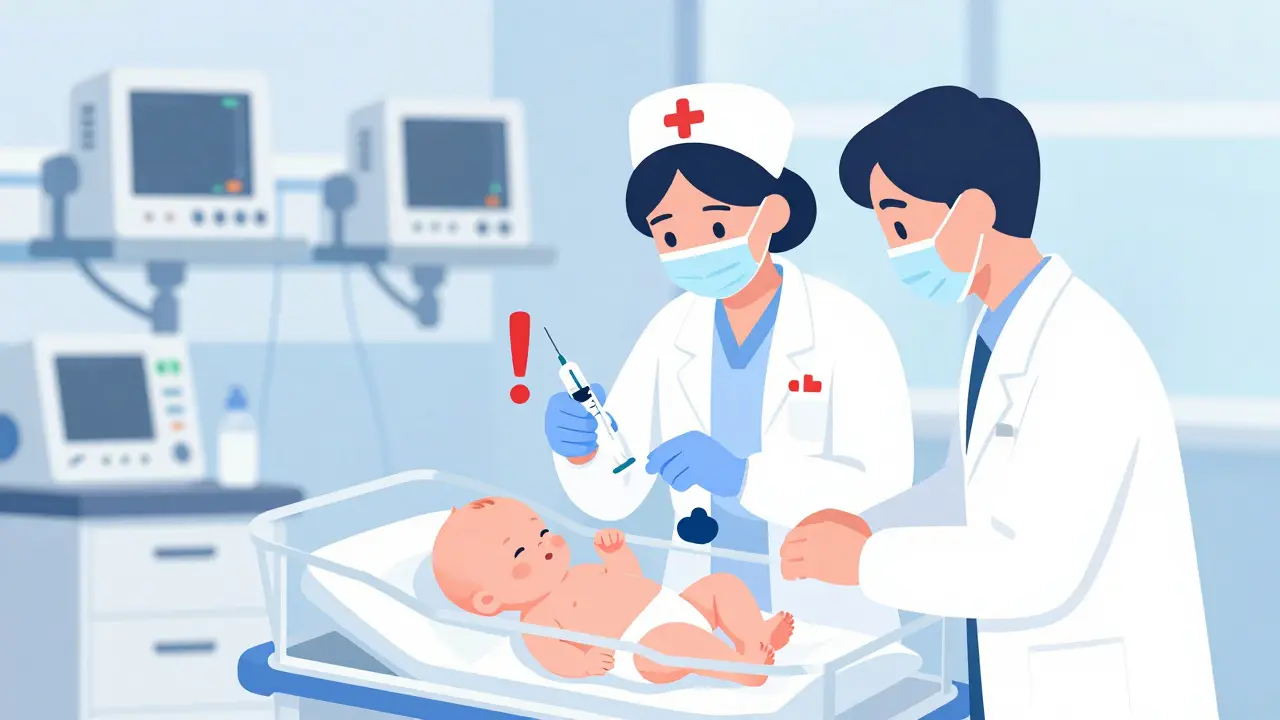
Verbal Prescriptions Best Practices: Ensuring Safety in Healthcare Communication
Verbal prescriptions carry risks but are sometimes unavoidable. Learn how read-back verification, clear communication, and proper documentation reduce medication errors by 50%. Essential steps for healthcare providers to ensure patient safety during oral medication orders.
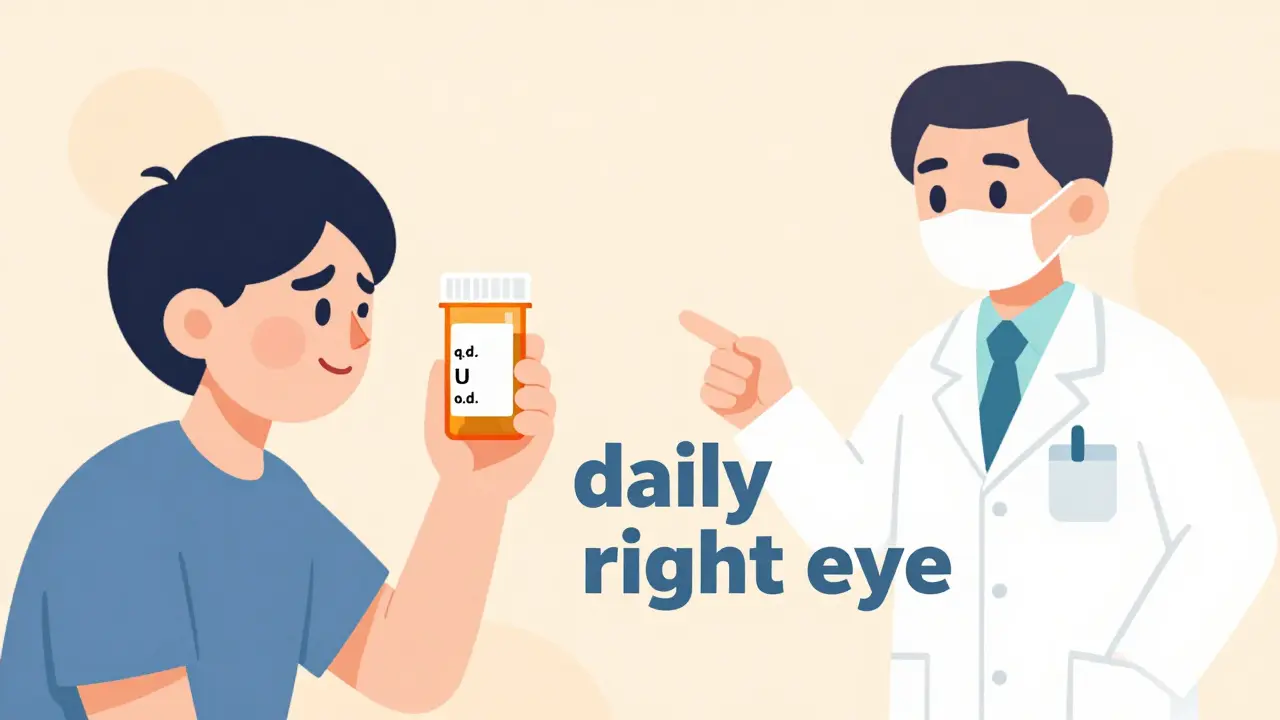
Decoding Prescription Label Abbreviations and Pharmacy Symbols: What You Need to Know
Learn what common prescription abbreviations like Rx, q.d., and o.d. really mean, why they’re dangerous, and how to protect yourself from medication errors. Know what to look for on your label.
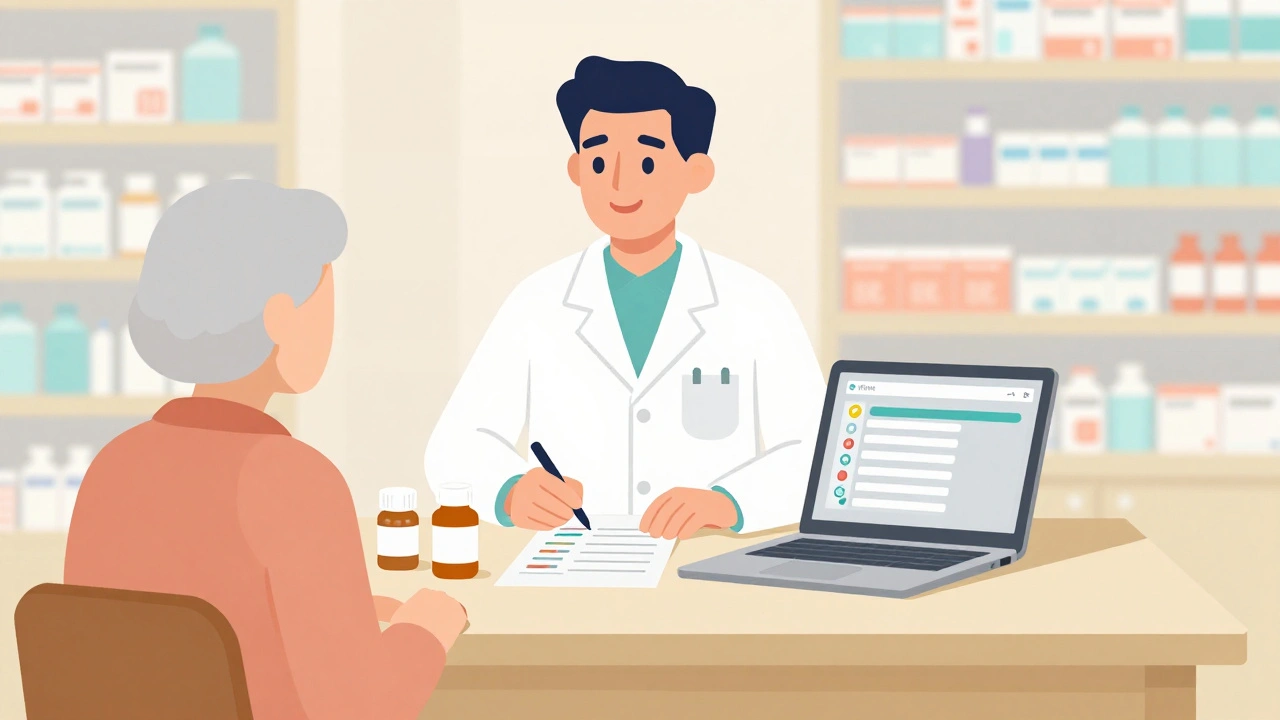
How to Use Your Pharmacy’s Consultation Service for Medication Safety
Learn how to use your pharmacy's consultation service to prevent dangerous drug interactions, improve adherence, and save money. Pharmacists catch errors doctors miss - here's how to make the most of this free safety net.