Urinary Tract Infections: Causes, Treatments, and What You Need to Know
When you feel that burning sensation when you pee, or keep rushing to the bathroom with little result, you’re likely dealing with a urinary tract infection, a bacterial infection that can affect any part of the urinary system, including the bladder, urethra, or kidneys. Also known as UTI, it’s one of the most common reasons people visit their doctor — especially women, who are up to 30 times more likely to get them than men. These infections don’t just happen out of nowhere. They usually start when bacteria — often E. coli from the gut — enter the urethra and travel upward. Simple things like wiping backward, holding urine too long, or even sex can trigger them. And while they’re common, they’re not harmless. If left untreated, a bladder infection can turn into a kidney infection, which is serious and needs urgent care.
That’s why knowing the difference between a simple UTI and something more dangerous matters. UTI antibiotics, medications like nitrofurantoin, trimethoprim-sulfamethoxazole, or fosfomycin, are the standard treatment — but only if the infection is bacterial. Not every burning pee means you need a prescription. Sometimes it’s irritation from soap, dehydration, or even a yeast infection. And overusing antibiotics leads to resistance, which makes future infections harder to treat. That’s why knowing your symptoms is key: cloudy or bloody urine, strong odor, pelvic pain, or fever? That’s when you call your doctor. Not every UTI needs a lab test, but if it comes back after treatment, or if you get them often, you need deeper answers.
Bladder infection, the most frequent type of UTI, is called cystitis — and it’s usually easy to fix with a short course of antibiotics. But recurrent UTIs? That’s a different story. Some people get them every few months. For them, prevention becomes the real focus. Drinking more water, peeing after sex, avoiding irritating products, and even probiotics can help. And if you’re postmenopausal, low-dose estrogen therapy might be an option — something your doctor can discuss. It’s not just about treating the infection, it’s about stopping the cycle.
What you’ll find in this collection isn’t just a list of drugs or symptoms. It’s real advice from people who’ve been there — how to spot early signs, when to skip the pharmacy and go straight to the clinic, and how to avoid the traps that make UTIs come back. You’ll see how antibiotics work, why some fail, and what alternatives exist. You’ll learn about the hidden risks of ignoring symptoms, and how your daily habits play a bigger role than you think. This isn’t guesswork. It’s what works — backed by experience and science.
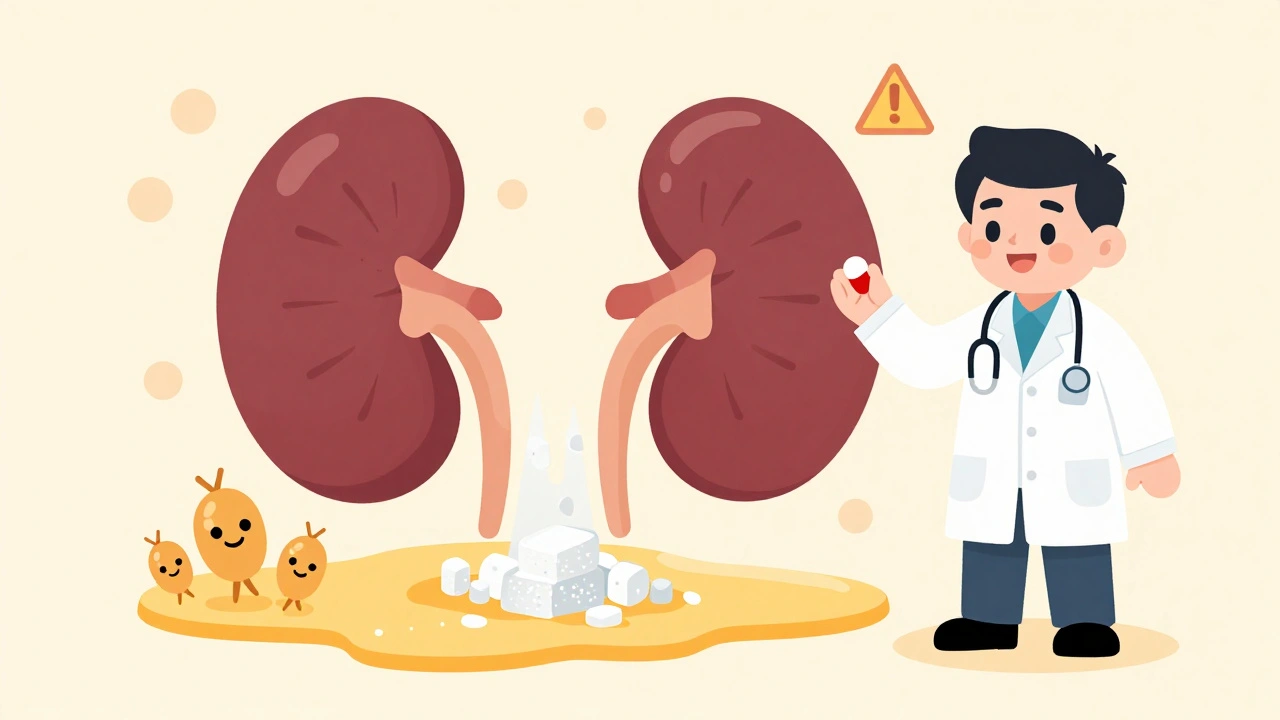
SGLT2 Inhibitors and Yeast Infections: What You Need to Know About Urinary Complications
SGLT2 inhibitors help lower blood sugar in type 2 diabetes but increase the risk of yeast and urinary tract infections. Learn how these drugs work, who’s most at risk, and what to do if you develop symptoms.