Category: Health Conditions - Page 2
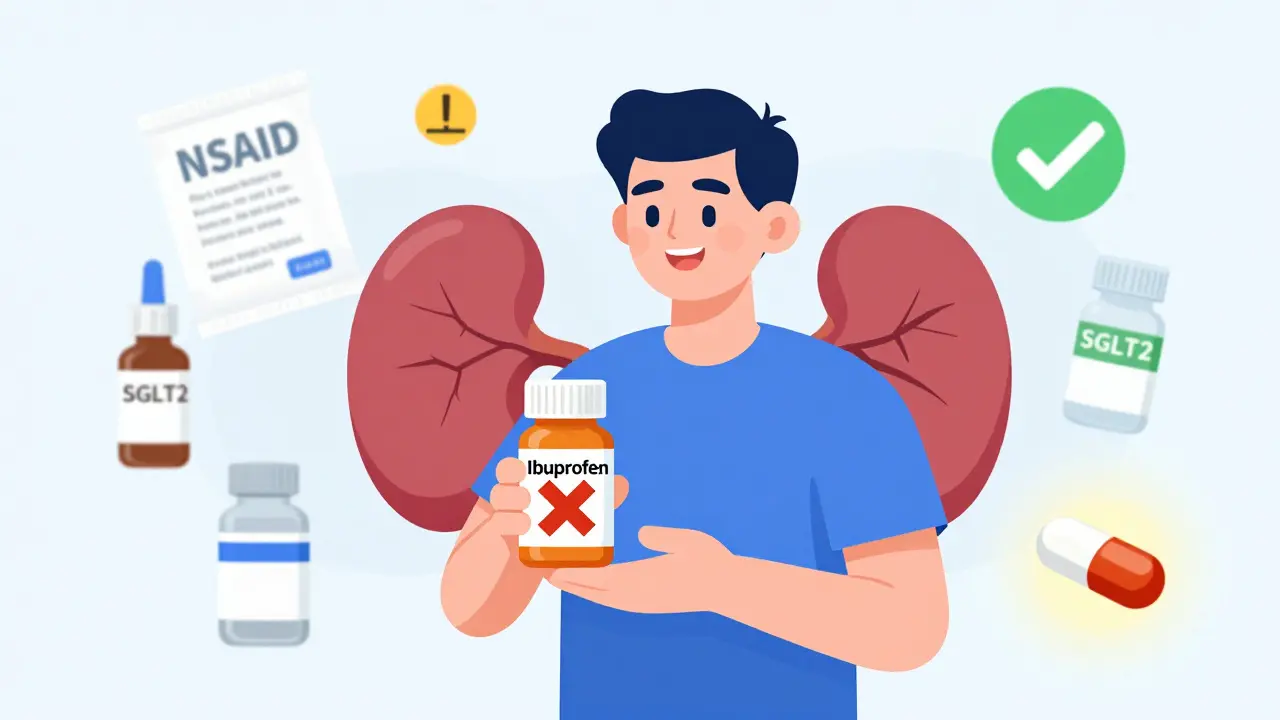
Medication Safety in Kidney Disease: How to Avoid Nephrotoxins and Get the Right Dose
Learn how to safely take medications with kidney disease-avoid nephrotoxins, adjust doses based on eGFR, and use the latest guidelines to protect your kidneys from drug-related harm.
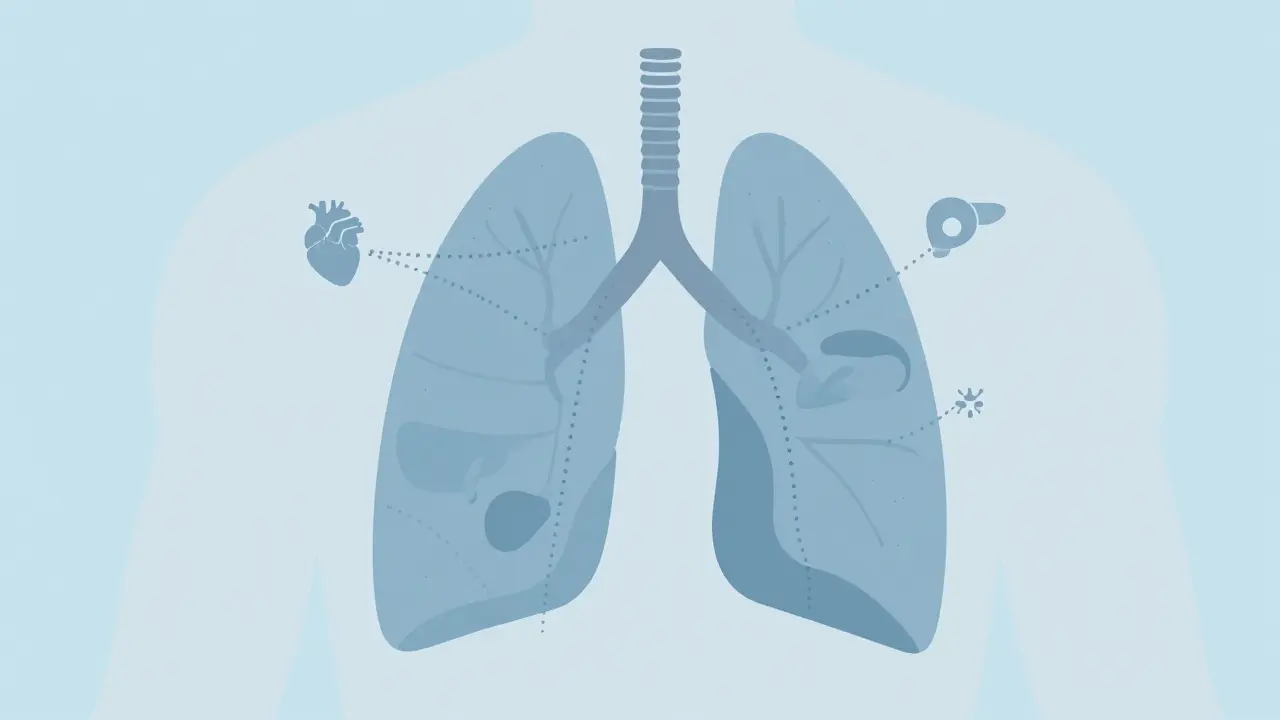
Pleural Effusion: Causes, Thoracentesis, and How to Prevent Recurrence
Pleural effusion causes breathing trouble and can signal heart failure, pneumonia, or cancer. Learn how thoracentesis works, what fluid tests reveal, and how to prevent recurrence with modern treatments like indwelling catheters.
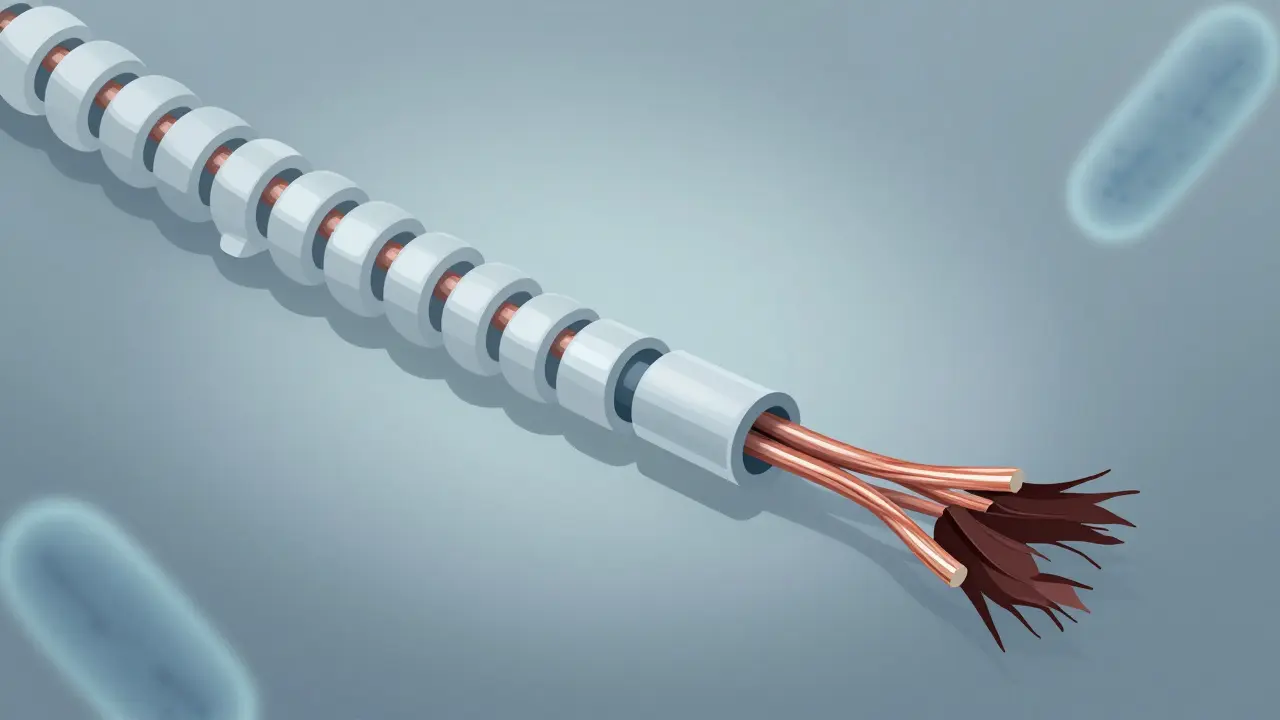
Multiple Sclerosis: Understanding Neurological Deterioration and How Disease-Modifying Therapies Work
Multiple sclerosis involves more than relapses - it's a slow neurological decline caused by irreversible axon damage. Learn how current treatments help, why they fall short in progressive MS, and what new therapies are emerging to protect the brain.
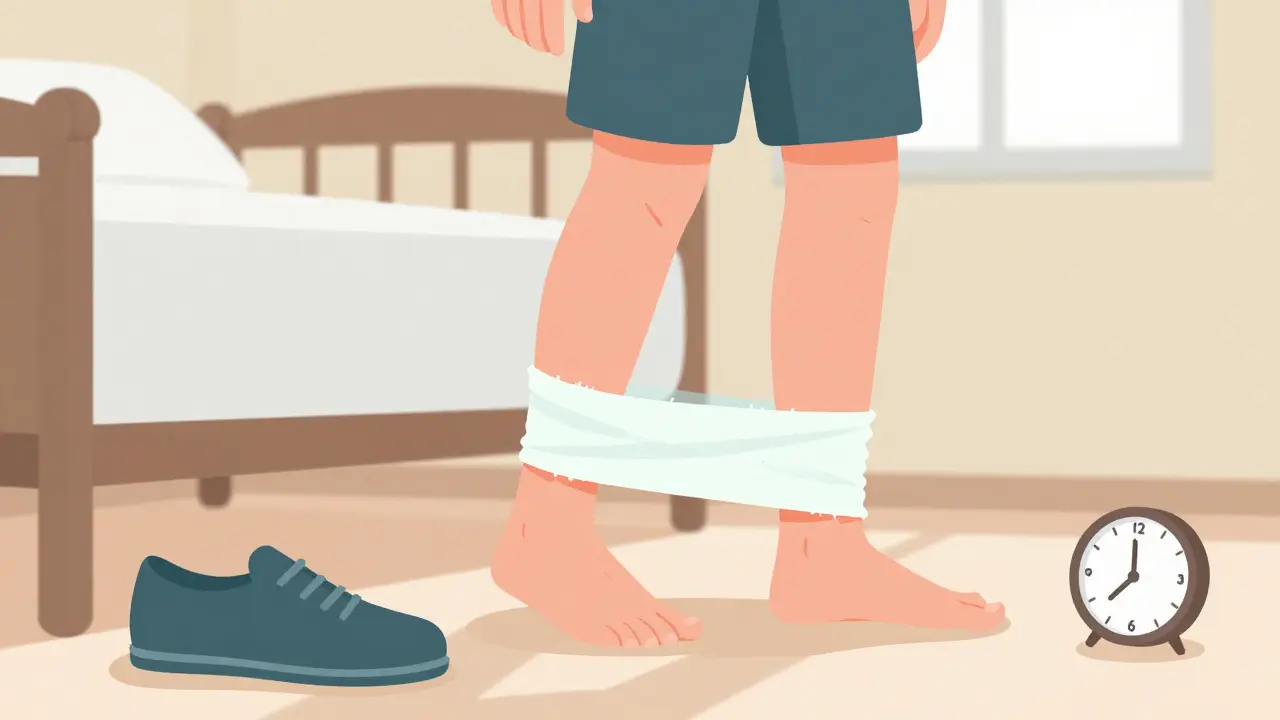
Plantar Fasciitis: Understanding Heel Pain Causes and Effective Treatment Options
Plantar fasciitis, now called plantar fasciopathy, is a common cause of heel pain caused by tissue degeneration, not inflammation. Learn the real causes, what treatments actually work, and how to avoid common mistakes that delay recovery.
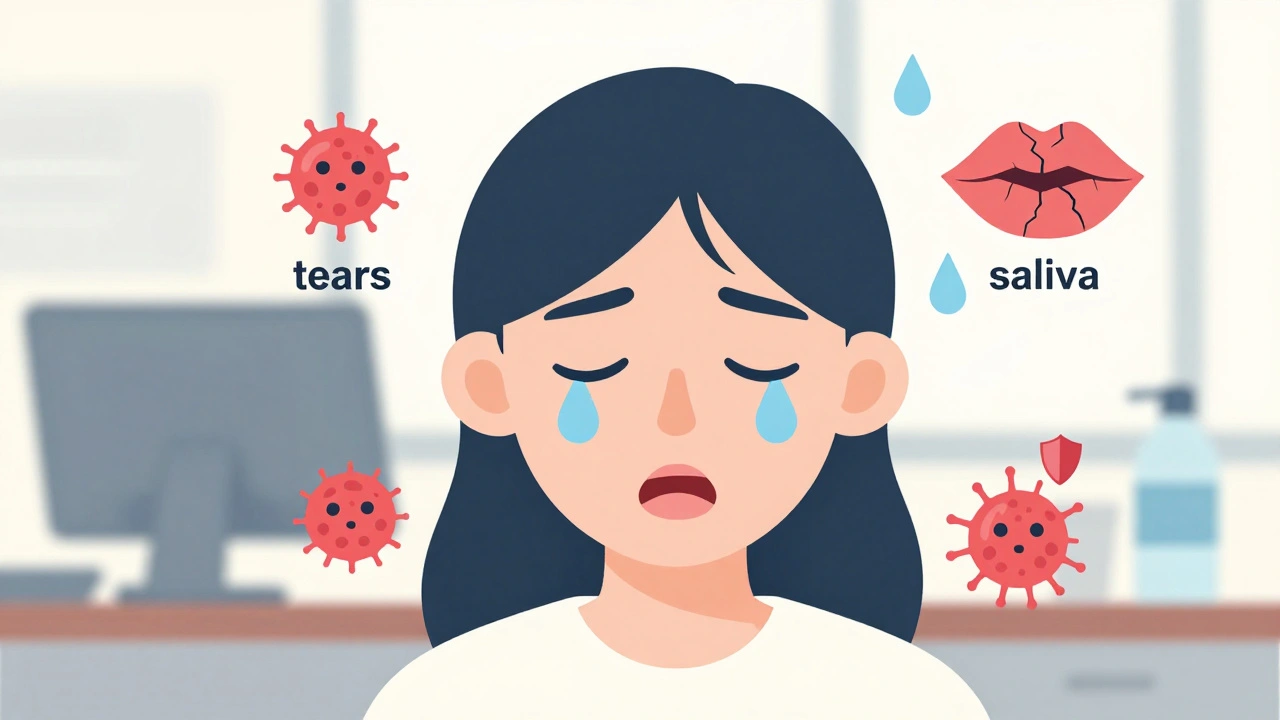
Sjögren’s Syndrome: What It Is, How It Affects Your Body, and What You Can Do
Sjögren’s Syndrome is an autoimmune disease that attacks moisture-producing glands, causing chronic dry eyes, dry mouth, fatigue, and joint pain. Learn how it's diagnosed, managed, and why early detection matters.
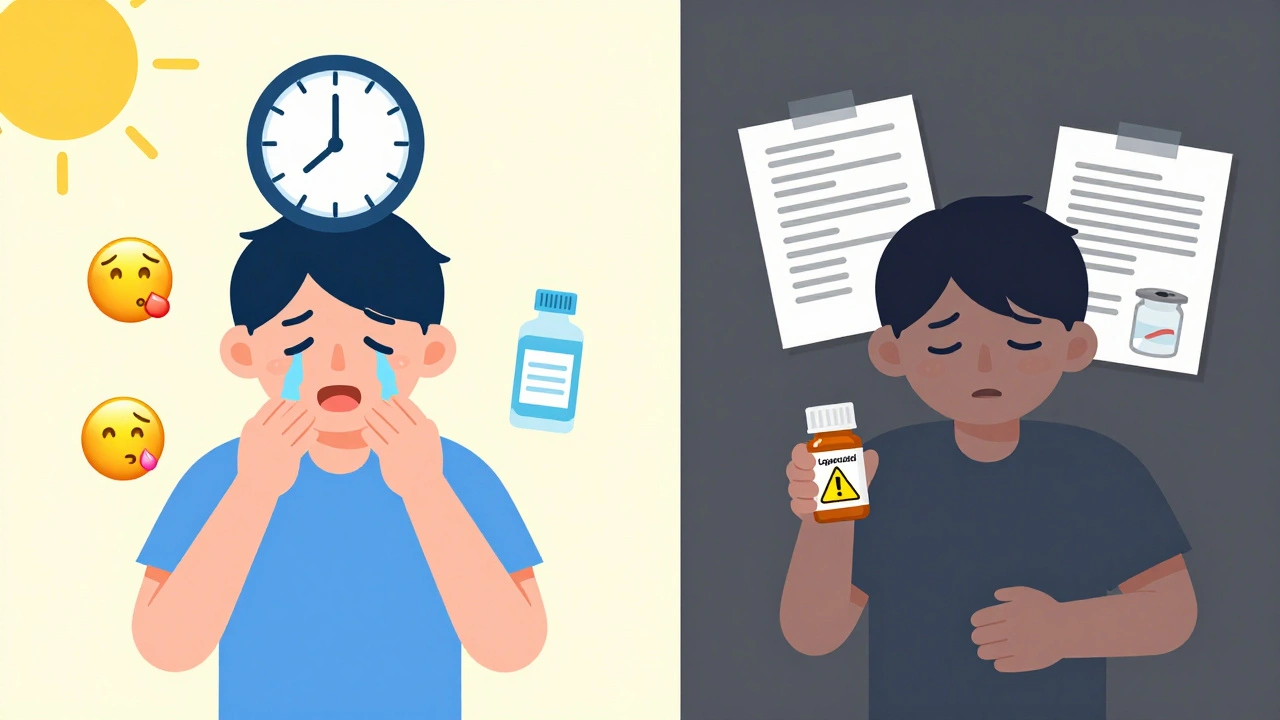
Diarrhea: Understanding Acute vs. Chronic and When Antimotility Drugs Help
Understand the difference between acute and chronic diarrhea, when to use antimotility drugs like loperamide, and what to do when diarrhea lasts more than two weeks. Get the facts on causes, risks, and real treatment options.
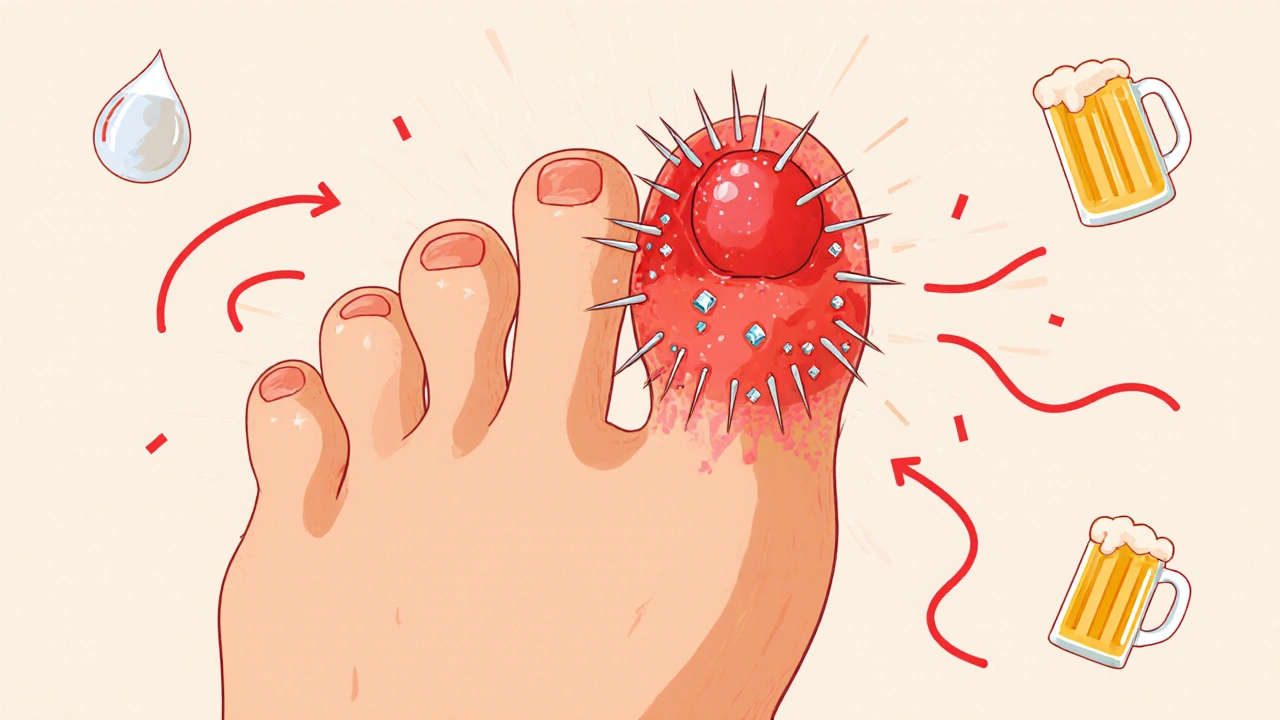
Gout Attacks: Understanding Uric Acid, Triggers, and Effective Medication Strategies
Gout attacks are caused by uric acid crystals in joints, triggered by diet, dehydration, or medication changes. Learn how to manage flares and prevent them long-term with effective meds and lifestyle steps.
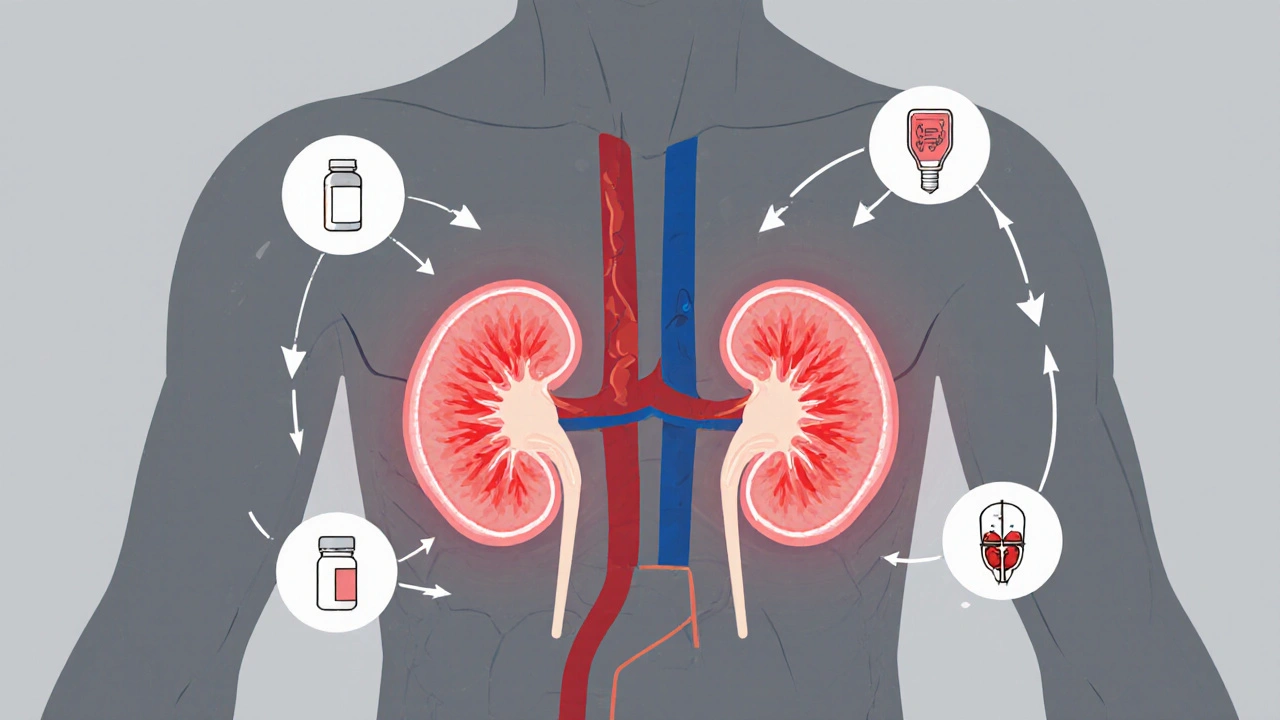
Acute Kidney Injury: What Causes It, How It’s Diagnosed, and How Recovery Really Works
Acute Kidney Injury is a sudden drop in kidney function that can be life-threatening. Learn the real symptoms, how it's diagnosed, what causes it, and why recovery isn't guaranteed-even if your numbers bounce back.

Vardenafil vs Tadalafil: Efficacy, Safety, and Satisfaction Compared
This article takes a close look at Vardenafil as an alternative to Tadalafil for treating erectile dysfunction, diving into real efficacy rates, side effects, and patient satisfaction. You'll get digestible stats, honest pros and cons, and practical tips about switching ED medications. Curious if Vardenafil really stands up to the hype—or if Tadalafil still holds first place? We'll break down the details based on actual clinical findings and patient feedback, without the medical jargon. Everything you need to choose the right ED treatment for your lifestyle, right here.
What is the difference between lesion and tumor?
Lesions and tumors are both growths that can appear on or in the body, but there are important differences between the two. Lesions are typically benign, non-cancerous growths that can be caused by a variety of factors, such as infection, inflammation, trauma, or abnormal cell growth. Tumors, on the other hand, are abnormal growths that can be either benign or cancerous. They are caused by abnormal cell growth, and they can spread to other areas of the body if left untreated. Lesions are typically treated with antibiotics or other medications, while tumors require more aggressive treatments, such as surgery, radiation therapy, or chemotherapy. Lesions and tumors can both cause pain, but tumors tend to cause more severe symptoms. Ultimately, it is important to seek medical attention if you experience any abnormal growths on or in your body.