Category: Medications - Page 3
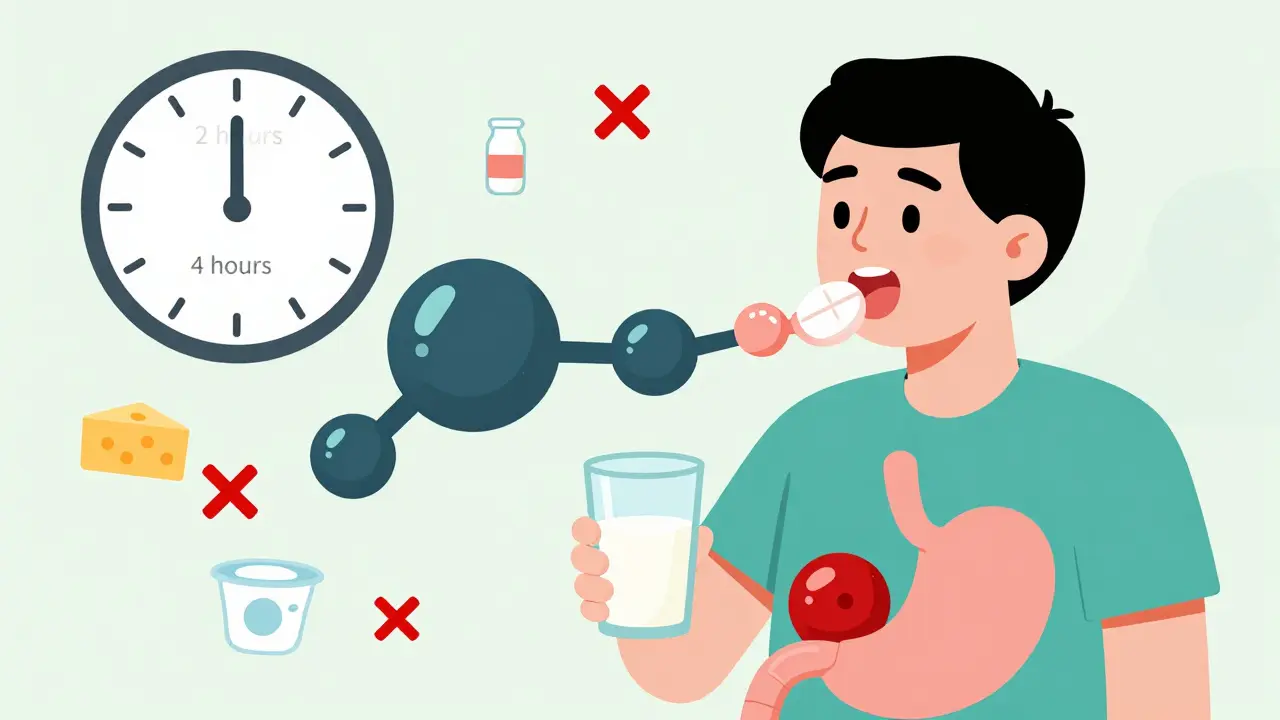
Antibiotics and Dairy: Why Timing Matters for Drug Absorption
Dairy can block antibiotics like doxycycline and ciprofloxacin from working. Calcium binds to these drugs, reducing absorption by up to 92%. Learn how to time your doses and avoid dairy to ensure your treatment works.
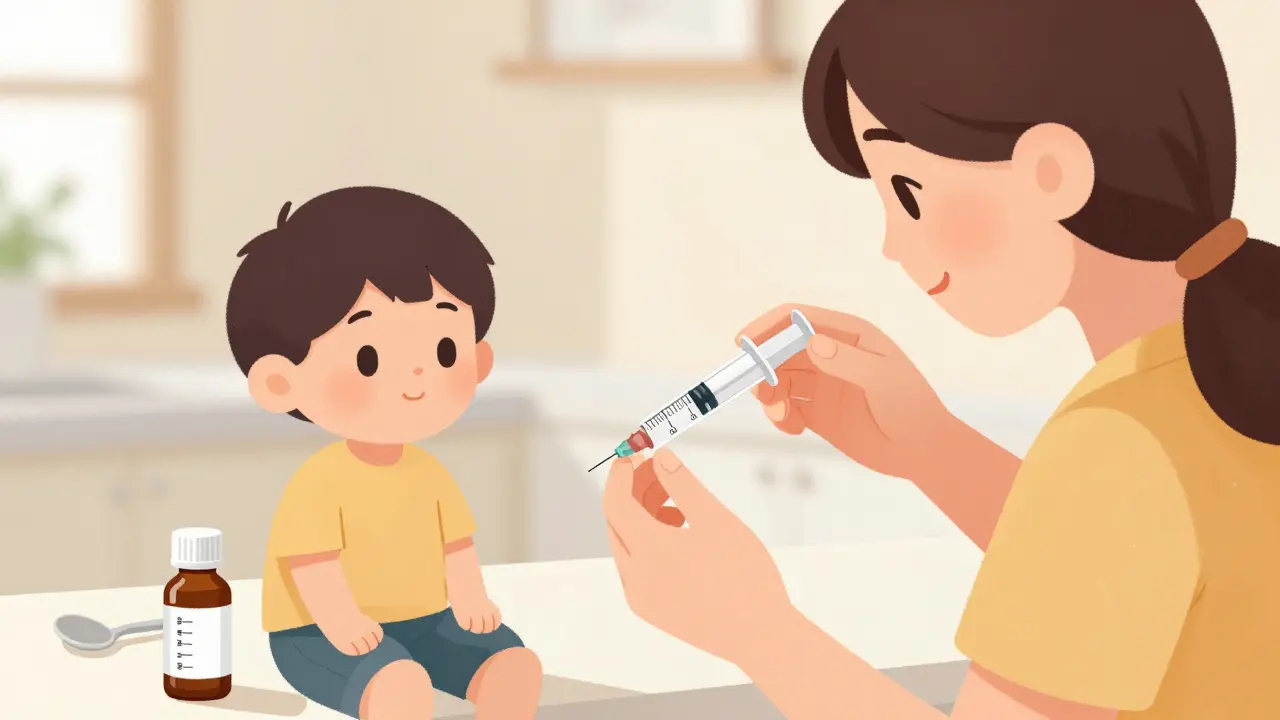
How to Measure Children’s Medication Doses Correctly at Home
Learn how to measure children's medication doses safely at home using milliliters and oral syringes to avoid dangerous errors. Essential guide for parents.
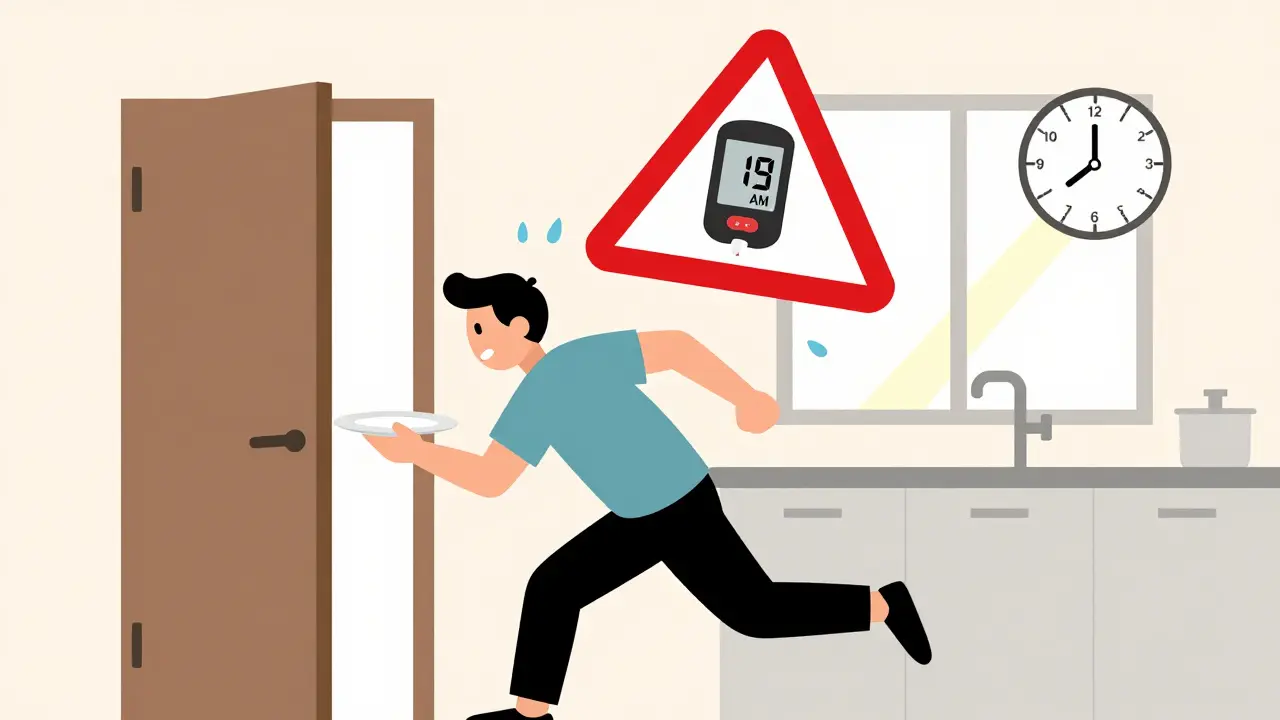
Meglitinides and Hypoglycemia: Why Skipping Meals Is Dangerous with These Diabetes Drugs
Meglitinides like repaglinide and nateglinide help control blood sugar after meals but carry a high risk of hypoglycemia if meals are skipped. Learn how timing affects safety and what to do to stay protected.
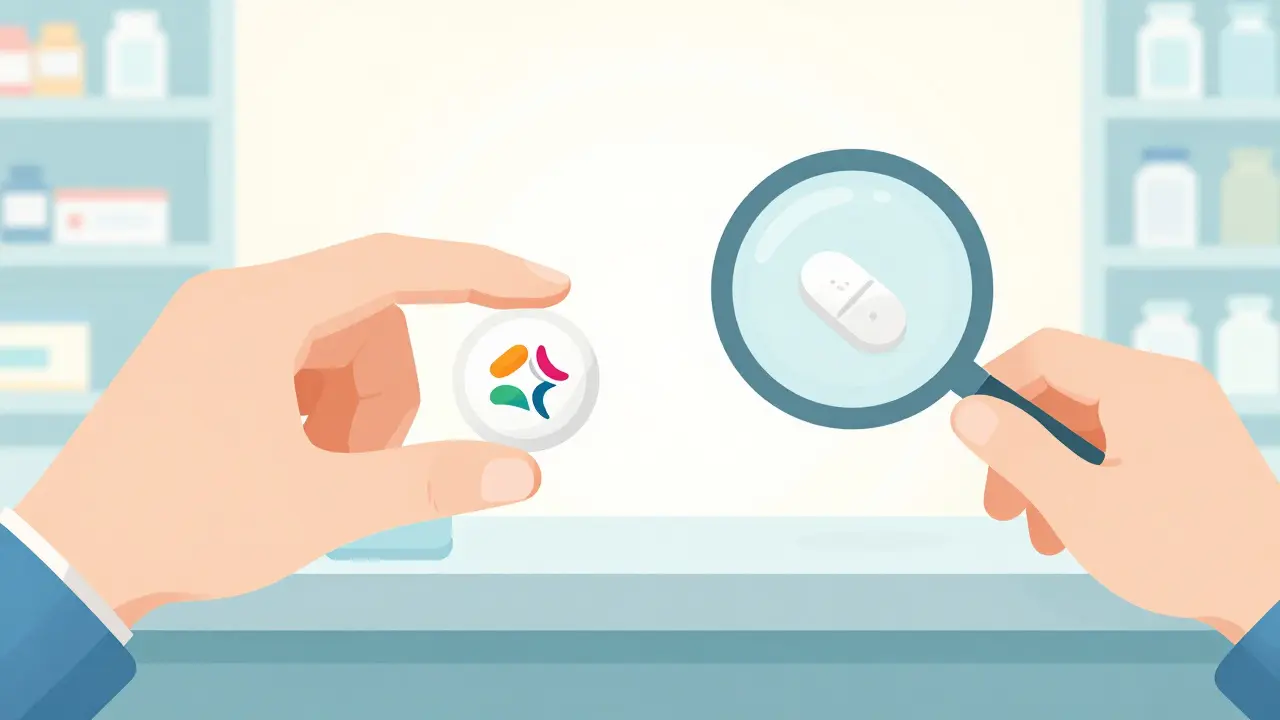
How to Identify a Legitimate Generic Drug at the Pharmacy
Learn how to spot a legitimate generic drug at the pharmacy by checking pill appearance, labeling, and pharmacy sources. Avoid counterfeit medications with these simple, proven verification steps.
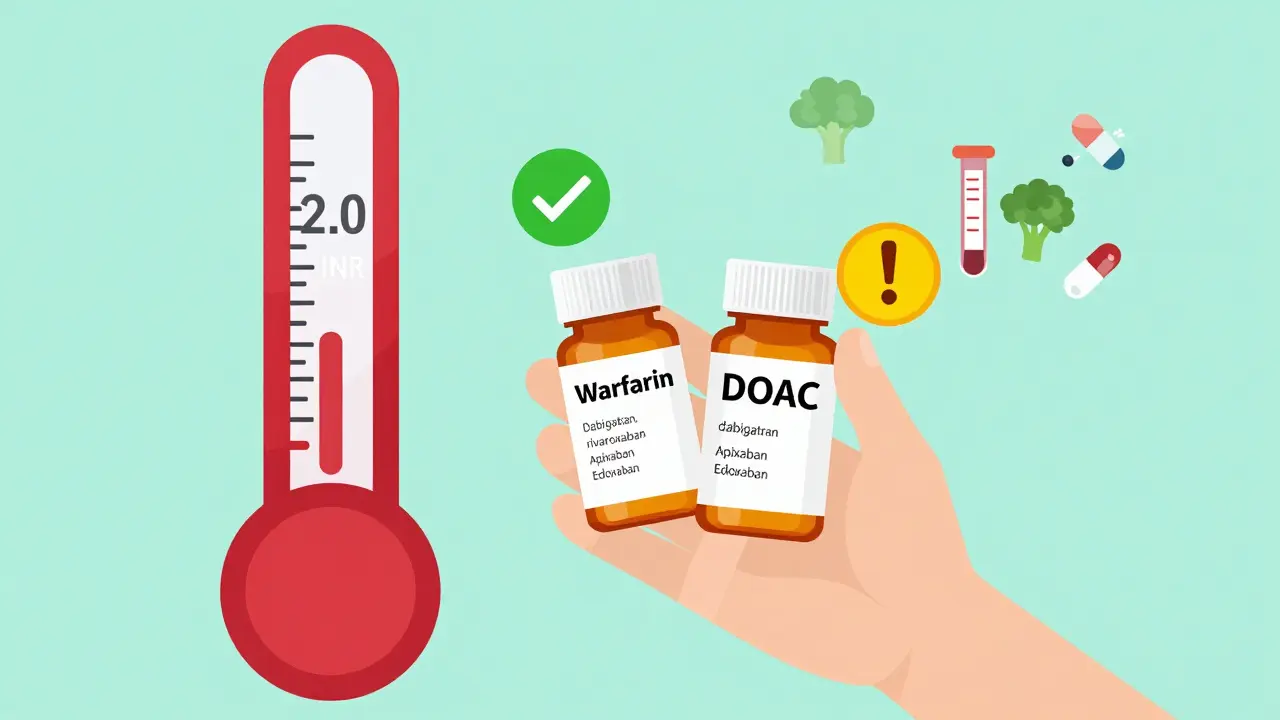
Switching from Warfarin to a DOAC: Side Effects and Safety Tips You Need to Know
Switching from warfarin to a DOAC can reduce bleeding risks and eliminate frequent blood tests - but only if done correctly. Learn the safety steps, who should avoid it, and what to watch for after the switch.
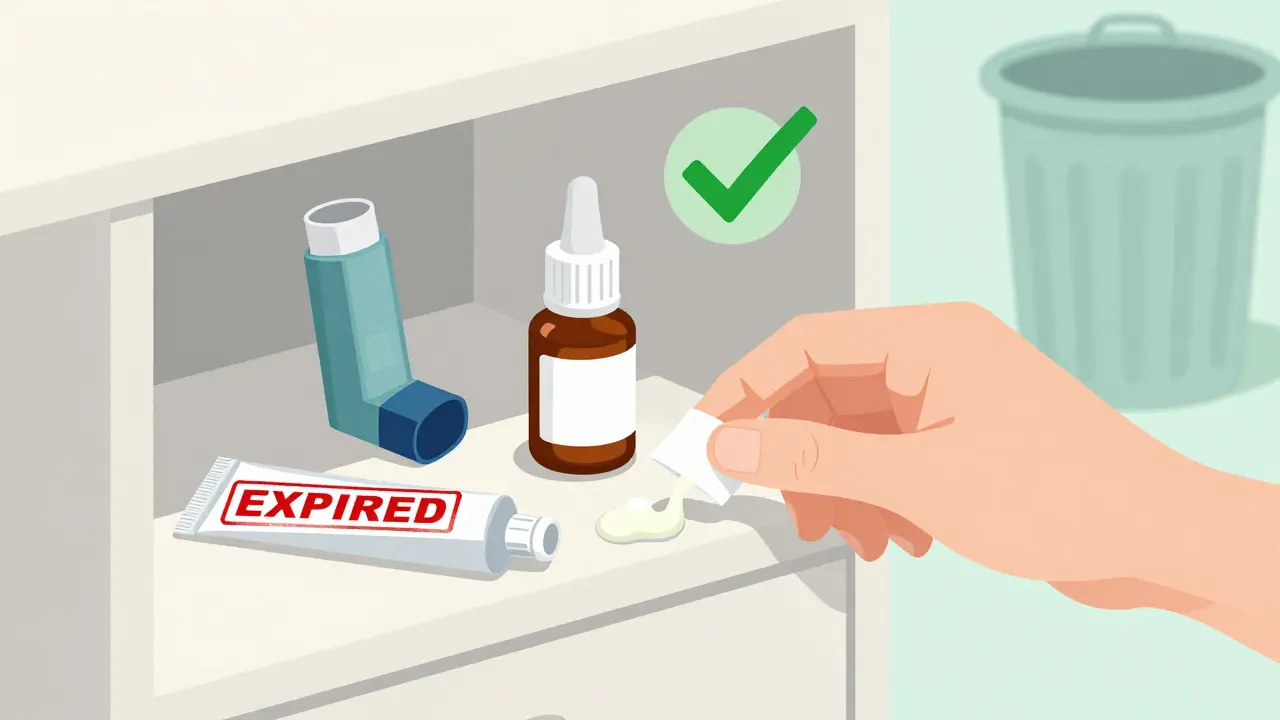
How to Safely Manage Expired Inhalers, Eye Drops, and Topical Medications
Learn how to safely manage and dispose of expired inhalers, eye drops, and topical medications to avoid health risks and environmental harm. Know when to throw them out and where to drop them off.
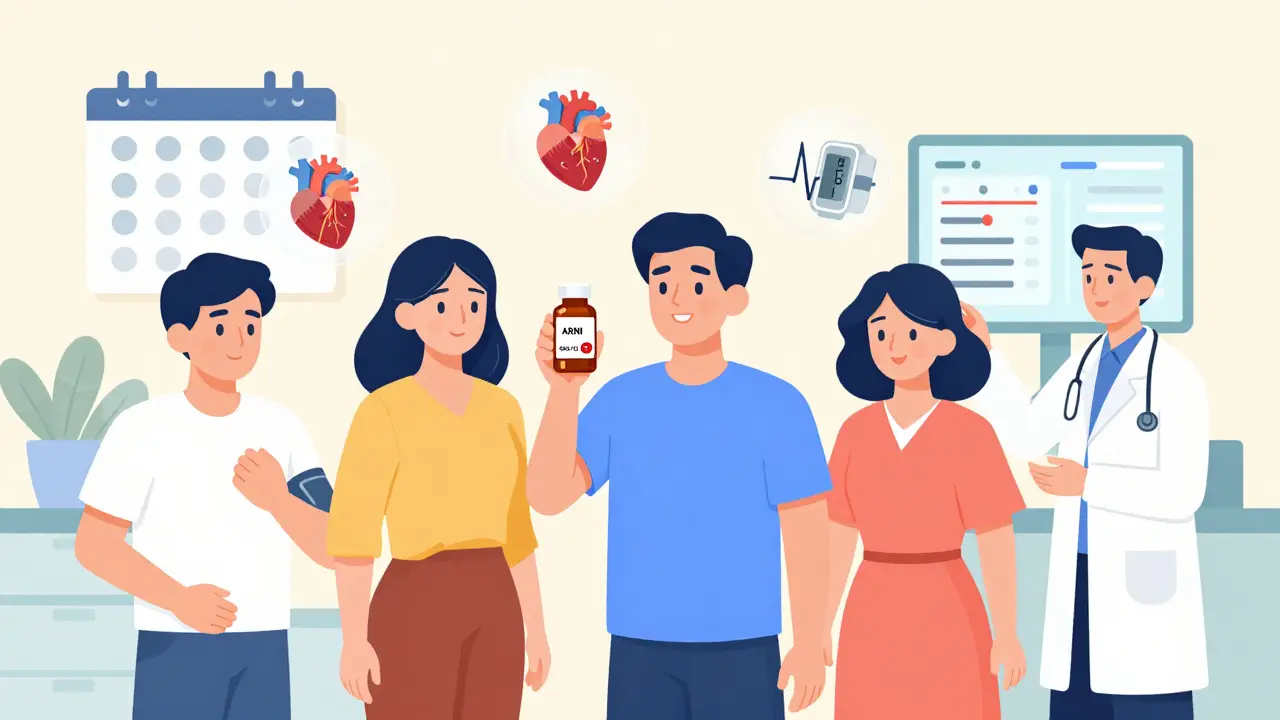
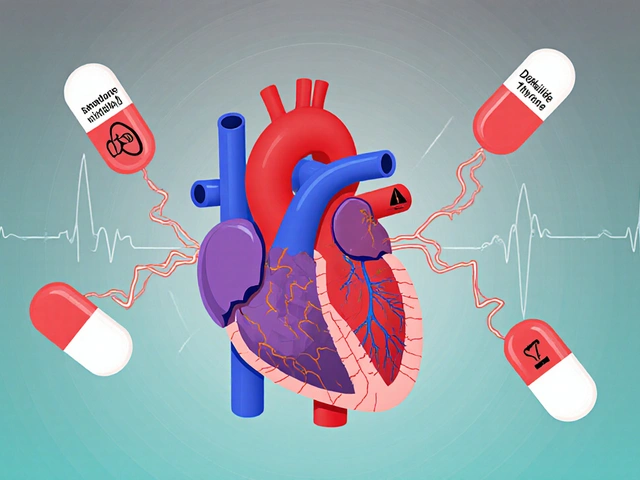
Medications in Heart Failure: What You Need to Monitor Closely
Heart failure medications like ARNIs, beta-blockers, MRAs, and SGLT2 inhibitors require careful monitoring to avoid dangerous side effects. Learn what to check, when, and how special populations need different care.

Why You Shouldn't Store Medications in the Bathroom
Storing medications in the bathroom exposes them to heat and moisture, which can reduce potency and create safety risks. Learn why your medicine cabinet is the wrong place and where to store pills safely instead.
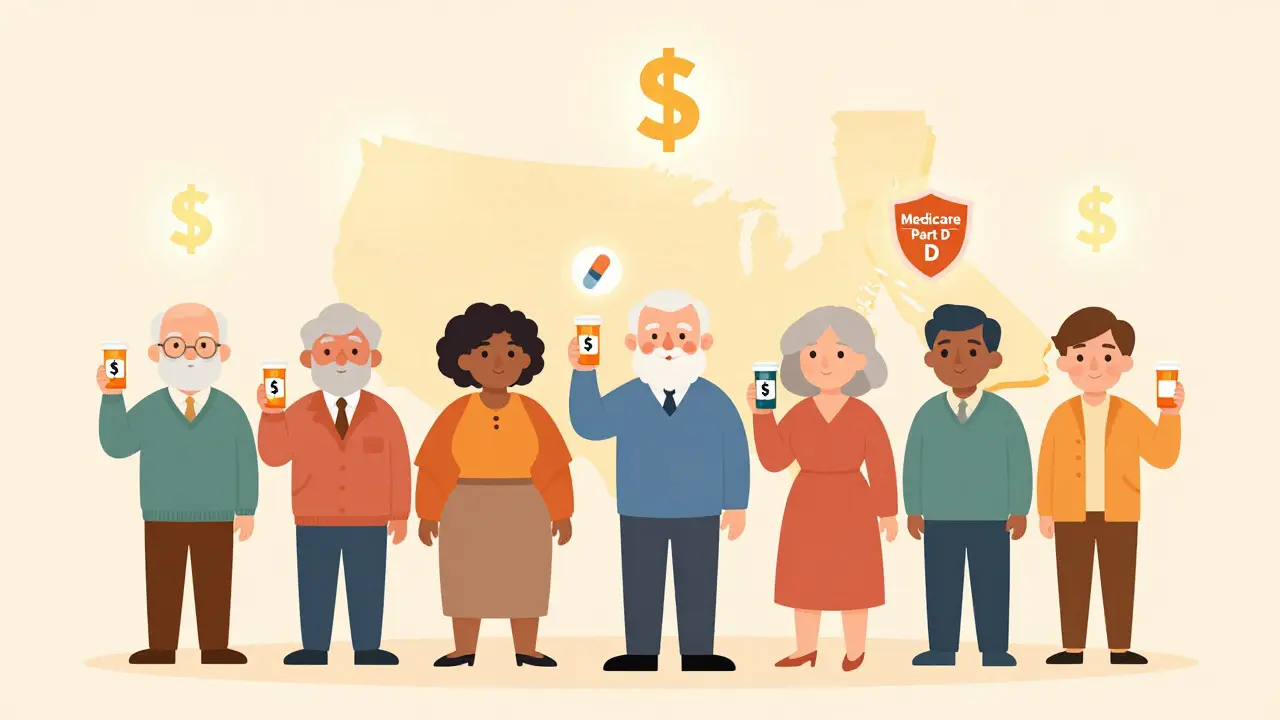
Government Medication Assistance Programs by State: A 2025 Roundup
Learn how state and federal medication assistance programs in 2025 can cut your prescription costs by thousands. Find out who qualifies, how to apply, and which programs offer the best savings.
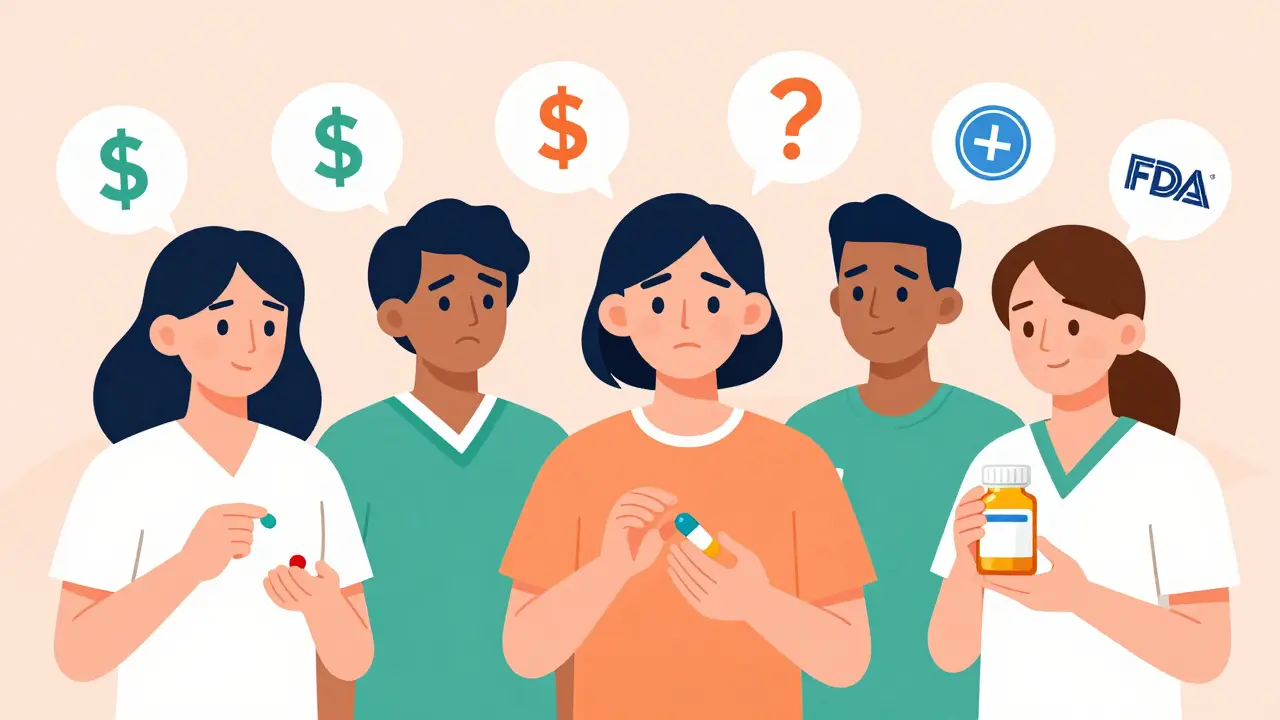
Risk Perception: How Patients Assess Generic Drug Safety
Many patients worry that generic drugs are less safe than brand-name versions, even though science proves they're identical. This article explores why these fears exist, who's most affected, and how better communication can improve trust and adherence.